Your cutting board just hosted raw chicken. You wiped it down with a damp cloth. Looks clean, right? Microscopically, you’ve potentially created a bacterial playground. In 2026, with heightened awareness around foodborne illnesses and increasingly resistant pathogens, the humble kitchen spray has evolved from a simple cleaning aid into a critical food safety tool. But not all antibacterial sprays are created equal—especially when it comes to surfaces that touch your food.
The market is flooded with options promising 99.9% germ kill, eco-friendly formulas, and futuristic packaging. Yet what actually matters for your food prep areas? This guide cuts through the marketing noise to arm you with the knowledge to evaluate any product like a food safety inspector. We’ll explore the science, regulations, and practical considerations that separate truly effective sanitizers from glorified scented water.
Top 10 Antibacterial Kitchen Sprays
Detailed Product Reviews
1. Lysol Pro Kitchen Spray Cleaner and Degreaser, Antibacterial All Purpose Cleaning Spray for Kitchens, Countertops, Ovens, and Appliances, Citrus Scent, 22oz
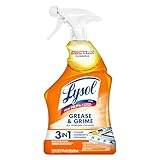
Overview: Lysol Pro Kitchen Spray Cleaner and Degreaser delivers targeted antibacterial action for culinary spaces. This 22-ounce citrus-scented formula combines grease-cutting power with EPA-certified germ elimination, making it a specialized weapon against kitchen grime. Designed specifically for food preparation areas, it addresses the unique challenges of cooking messes while maintaining safety standards for surfaces that encounter edibles.
What Makes It Stand Out: The product’s kitchen-specific formulation eliminates 99.9% of bacteria including Salmonella and E. coli, crucial for food safety. Its ability to penetrate baked-on grease sets it apart from general-purpose cleaners. The EPA registration (#777-91) provides verified efficacy assurance, while the “no harsh chemical residue” claim means safer cleaning around food zones when properly rinsed. The citrus scent leaves a fresh, clean aroma without overpowering chemical odors.
Value for Money: At $0.18 per ounce, this sits in the mid-range for specialty kitchen cleaners. While pricier than basic all-purpose sprays, its targeted grease-fighting ability justifies the cost for serious cooks. The 22-ounce size is adequate for regular use but may deplete quickly in busy kitchens. Comparable kitchen degreasers often cost more or lack the dual antibacterial credentials.
Strengths and Weaknesses: Pros: Proven antibacterial efficacy against foodborne pathogens; exceptional grease-cutting performance; food-safe when rinsed; pleasant citrus fragrance. Cons: Smaller bottle size requires frequent replacement; must rinse food contact surfaces; not as versatile for bathroom use.
Bottom Line: Ideal for home chefs prioritizing food safety and grease removal. Its specialized kitchen focus makes it worth the slight premium over generic cleaners, though frequent users should consider the two-pack option for better value.
2. Method Antibacterial All-Purpose Cleaner Spray, Citron, Kills 99.9% of Household Germs, 28 Fl Oz

Overview: Method’s Antibacterial All-Purpose Cleaner offers a citric acid-based alternative to conventional chemical cleaners. This 28-ounce bottle promises 99.9% germ elimination using plant-derived ingredients, appealing to environmentally conscious consumers. The citron scent provides a fresh, modern fragrance while tackling household bacteria including staph, flu viruses, and salmonella across multiple surfaces.
What Makes It Stand Out: The citric acid formula delivers effective sanitization without harsh chemicals, making it gentler on surfaces and users. Its 28-ounce size provides more product than standard 22-ounce competitors. Method’s brand commitment to sustainable practices resonates with eco-aware shoppers. The cleaner works on grease and grime while remaining suitable for most household surfaces, combining versatility with a cleaner ingredient profile.
Value for Money: At $0.12 per ounce, this offers the best unit price among reviewed products. The larger bottle size extends time between purchases, reducing overall cost and plastic waste. While some heavy-duty degreasers may outperform it on extreme messes, the combination of antibacterial action, safer ingredients, and competitive pricing creates exceptional value for daily cleaning needs.
Strengths and Weaknesses: Pros: Lowest cost per ounce; citric acid-based formula; larger volume; pleasant citron scent; kills 99.9% of germs. Cons: May struggle with extremely baked-on grease; scent preference is subjective; less specialized than kitchen-specific formulas.
Bottom Line: An excellent budget-friendly choice for those wanting effective germ control with a gentler formula. Best for regular maintenance cleaning rather than heavy degreasing, offering superior value for everyday household use.
3. Lysol Pro Kitchen Spray Cleaner and Degreaser, Antibacterial All Purpose Cleaning Spray for Kitchens, Countertops, Ovens, and Appliances, Citrus Scent, 22oz (Pack of 2)

Overview: This two-pack of Lysol Pro Kitchen Spray provides the same specialized antibacterial power as the single bottle, ensuring you never run out mid-clean. Each 22-ounce bottle targets kitchen viruses and bacteria while cutting through stubborn grease. The citrus-scented formula maintains EPA registration for eliminating foodborne pathogens like Salmonella and E. coli from cooking surfaces.
What Makes It Stand Out: The twin-pack format eliminates the frustration of depleting your cleaner during heavy cooking sessions. You get identical performance to the single bottle—99.9% germ elimination and baked-on grease penetration—with the convenience of a backup. This packaging suits frequent cooks and large households where kitchen cleaning happens daily. The consistent formula means no learning curve between bottles.
Value for Money: At $7.94 for 44 ounces, the per-ounce cost remains $0.18, identical to buying singles. The value lies in convenience and reduced shopping frequency rather than bulk savings. For heavy users, avoiding mid-week store runs justifies the upfront investment. However, casual cooks may find the second bottle sits unused for months, negating the convenience factor.
Strengths and Weaknesses: Pros: Always have backup; same proven kitchen-specific formula; convenient for high-usage households; EPA-registered efficacy. Cons: No per-unit discount; requires storage space; higher initial cost; same rinse requirement for food surfaces.
Bottom Line: Perfect for avid home chefs and families who clean daily. While not cheaper per ounce, the convenience of a spare bottle streamlines kitchen maintenance. Occasional cooks should stick to single bottles to avoid product aging on the shelf.
4. Lysol All Purpose Cleaner Spray, Multi-Purpose Disinfecting Spray, Kitchen & Bathroom Cleaner, Lemon Breeze Scent, 32 Fl Oz

Overview: Lysol All Purpose Cleaner in Lemon Breeze scent delivers broad-spectrum disinfecting for entire households. This 32-ounce bottle kills 99.9% of viruses and bacteria, including COVID-19, while tackling grease and soap scum. The bleach-free formula works across kitchen and bathroom surfaces, offering versatility without harsh chemical concerns. The larger size and classic lemon scent appeal to traditional cleaning enthusiasts.
What Makes It Stand Out: The explicit COVID-19 virus elimination claim provides pandemic-era peace of mind. Its 0% bleach formulation delivers powerful results without bleach’s damaging effects on fabrics or respiratory irritation. The 32-ounce size offers 45% more product than standard 22-ounce kitchen sprays. Multi-surface capability means one bottle replaces several specialty cleaners, simplifying cleaning routines and reducing under-sink clutter.
Value for Money: At $0.12 per ounce, this matches Method’s pricing while offering Lysol’s trusted disinfection reputation. The larger bottle reduces replacement frequency, and its versatility eliminates need for separate bathroom and kitchen cleaners. Compared to buying multiple specialized products, this represents significant savings and convenience.
Strengths and Weaknesses: Pros: Kills COVID-19 virus; bleach-free; excellent value per ounce; versatile multi-room use; larger size. Cons: Lemon scent may seem harsh to some; not as specialized for extreme kitchen grease; may be overkill for light cleaning.
Bottom Line: A workhorse cleaner for households wanting maximum versatility and proven virus elimination. The bleach-free formula and generous size make it an economical choice for whole-home disinfection, especially during cold and flu season.
5. Lysol All Purpose Cleaner Spray, Multi-Purpose Disinfecting Spray, Kitchen & Bathroom Cleaner, Mango & Hibiscus Scent, 32 Fl Oz

Overview: Lysol All Purpose Cleaner in Mango & Hibiscus scent provides the same powerful disinfecting as its Lemon Breeze counterpart, but with a tropical fragrance twist. This 32-ounce spray kills 99.9% of viruses and bacteria, including COVID-19, while cutting through grease and grime. The bleach-free formula remains safe for most hard surfaces throughout kitchens and bathrooms, offering identical performance with an exotic scent profile.
What Makes It Stand Out: The mango and hibiscus fragrance differentiates it from traditional citrus and lemon cleaners, appealing to those seeking a more sophisticated aroma. It maintains all the core benefits—COVID-19 elimination, 0% bleach, multi-surface versatility—in a larger, economical size. This scent option allows households to coordinate cleaning products with personal fragrance preferences without sacrificing disinfection power.
Value for Money: At $0.12 per ounce, this offers identical value to the Lemon Breeze version. The 32-ounce quantity provides excellent cost-per-use metrics, and its versatility across rooms maximizes the investment. Scent preference becomes the primary decision factor since performance and pricing mirror the lemon variant.
Strengths and Weaknesses: Pros: Unique tropical scent; same powerful disinfection; bleach-free; large economical size; COVID-19 claim. Cons: Fragrance may not suit traditionalists; identical to lemon version beyond scent; some may find it too sweet.
Bottom Line: Choose this if you desire Lysol’s proven disinfecting power with a non-traditional fragrance. It performs identically to the Lemon Breeze option, making scent preference the deciding factor. Perfect for those wanting effective cleaning with a more contemporary, tropical aroma.
6. Method Antibacterial All-Purpose Cleaner Spray, Bamboo, Kills 99.9% of Household Germs, 28 Fl Oz (Pack of 4)

Overview: This four-pack bundle from Method delivers plant-powered cleaning with citric acid as its active ingredient. Each 28-ounce bottle in the bamboo scent variant provides antibacterial protection across your entire home, eliminating 99.9% of common germs including influenza, staphylococcus, and salmonella. The formula works on hard, non-porous surfaces throughout kitchens and bathrooms.
What Makes It Stand Out: Method distinguishes itself by using citric acid rather than harsh synthetic chemicals, making it a gentler choice for households concerned about toxicity. The bamboo fragrance offers a fresh, spa-like aroma that avoids the medicinal smell typical of conventional disinfectants. This cleaner simultaneously tackles grease and grime while sanitizing, streamlining your cleaning routine into one efficient step.
Value for Money: At $16.60 for 112 total ounces ($0.15 per ounce), this multi-pack delivers significant savings compared to purchasing individual bottles. The price positions it competitively against premium conventional cleaners while offering eco-friendly credentials. Bulk buying ensures you won’t run out during critical cleaning moments.
Strengths and Weaknesses: Strengths include the plant-based formula, pleasant natural scent, effective germ-killing capability, and environmentally conscious brand ethos. The four-pack provides excellent convenience and value. Weaknesses involve slightly reduced power on heavy-duty grease compared to chemical-heavy alternatives, and the bamboo scent may not appeal to everyone. The citric acid base requires slightly longer dwell time for optimal disinfection.
Bottom Line: Ideal for health-conscious families seeking effective sanitization without harsh chemicals. The bamboo scent and eco-friendly formulation make it perfect for regular maintenance cleaning, though you may need a stronger degreaser for tough kitchen messes.
7. Reckitt Lysol Kitchen Pro Antibacterial Cleaner Trigger 22 Fl Oz (Pack of 3) - With 1ct Auto In-The-Bowl Toilet Cleaner, Atlantic Fresh
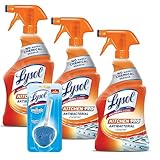
Overview: This specialized kitchen cleaning bundle includes three 22-ounce bottles of Lysol Kitchen Pro formula plus a bonus automatic toilet bowl cleaner. Designed specifically for food preparation areas, the Atlantic Fresh scent targets kitchen-specific bacteria and grease buildup while the toilet cleaner provides continuous freshness.
What Makes It Stand Out: The kitchen-focused formulation cuts through cooking oils and food residues more effectively than general-purpose cleaners. Lysol’s century-long reputation for disinfection provides confidence in its germ-killing claims. The inclusion of a toilet cleaner adds unexpected value, essentially providing a free secondary product for bathroom maintenance.
Value for Money: At $25.50 for 66 ounces of kitchen cleaner ($0.39 per ounce), this package sits at the premium end of the market. However, factoring in the complimentary toilet cleaner (typically valued at $3-5) improves the overall proposition. The specialized nature justifies the higher cost for serious home cooks.
Strengths and Weaknesses: Strengths include superior grease-cutting power, trusted antimicrobial efficacy, kitchen-specific design, and the bonus toilet cleaner. The Atlantic Fresh scent effectively masks odors. Weaknesses are the higher price point, smaller bottle size requiring more frequent replacement, and strong fragrance that may overwhelm sensitive individuals. The chemical formula demands careful use around food surfaces.
Bottom Line: Best suited for avid cooks and large families who prioritize kitchen hygiene. While pricier than general cleaners, its specialized performance and bonus item make it worthwhile for those needing heavy-duty kitchen sanitation.
8. Method Antibacterial All-Purpose Cleaner Spray, Citron, Kills 99.9% of Household Germs, 28 Fl Oz, (Pack of 4)

Overview: This four-pack variant of Method’s popular antibacterial cleaner features a vibrant citron scent while maintaining the same citric acid-based formula. Each 28-ounce bottle eliminates 99.9% of household germs including influenza, rhinovirus, and E. coli across all hard, non-porous surfaces in kitchens and bathrooms.
What Makes It Stand Out: The bright, citrusy citron fragrance provides an energizing alternative to traditional cleaner scents, leaving rooms smelling fresh rather than sterilized. Method’s commitment to plant-based chemistry remains central, using citric acid to achieve hospital-grade disinfection without ammonia or bleach. The formula cuts through everyday grease while remaining gentle on surfaces.
Value for Money: Priced at $19.16 for 112 ounces ($0.17 per ounce), this pack costs slightly more than Method’s bamboo variant. The premium reflects fragrance development costs but remains competitive within the eco-friendly cleaning segment. Bulk purchasing still offers savings over single bottles, typically priced at $5-6 each.
Strengths and Weaknesses: Strengths include the uplifting citrus scent, effective germ elimination, eco-conscious formulation, and excellent multi-pack convenience. The citric acid base is safer around children and pets. Weaknesses involve the higher price point compared to other Method scents, potential scent fatigue for daily use, and moderate performance on baked-on grime requiring additional elbow grease.
Bottom Line: Perfect for those who prefer citrus fragrances and want effective, environmentally responsible cleaning. The citron scent revitalizes spaces while delivering reliable sanitization, making it ideal for regular household maintenance.
9. Lysol Multi-Purpose Cleaner Sanitizing and Disinfecting Spray with Bleach, All Purpose Cleaning Spray for Bathrooms and Kitchens, 32oz

Overview: This powerful 32-ounce spray harnesses bleach’s whitening and disinfecting properties for maximum cleaning impact. The EPA-registered formula eliminates 99.9% of viruses and bacteria while tackling stubborn stains, mold, and mildew on hard, non-porous surfaces in bathrooms and kitchens. It requires just five minutes of dwell time to achieve full disinfection.
What Makes It Stand Out: Bleach inclusion provides unmatched stain removal and whitening capabilities, restoring grout and surfaces to their original brightness. The product prevents mold and mildew regrowth for up to seven days, offering prolonged protection. Its fast-acting formula dissolves soap scum without scrubbing, saving significant cleaning time and effort on vertical surfaces like shower doors.
Value for Money: At $4.47 for 32 ounces ($0.14 per ounce), this represents exceptional value for a bleach-based disinfectant. It’s among the most affordable options per ounce while delivering professional-strength results. The single-bottle format allows trial without commitment to larger quantities.
Strengths and Weaknesses: Strengths include superior whitening power, mold prevention, rapid disinfection, and unbeatable price. The bleach effectively eliminates tough stains and provides visual proof of cleanliness. Weaknesses involve the harsh chemical smell, potential surface damage on colored materials, fabric bleaching risk, and respiratory irritation for sensitive users. Not suitable for marble, wood, or colored grout.
Bottom Line: Essential for bathrooms prone to mold and heavily stained surfaces. While too harsh for daily all-purpose use, it’s indispensable for periodic deep cleaning and stain removal. Use with ventilation and keep away from delicate surfaces.
10. Method Antibacterial All-Purpose Cleaner Spray, Bamboo, Kills 99.9% of Household Germs, 28 Fl Oz

Overview: This single 28-ounce bottle delivers Method’s signature citric acid-based antibacterial formula in the popular bamboo scent. It eliminates 99.9% of household bacteria and viruses on hard, non-porous surfaces, offering the same plant-powered performance as the multi-pack variant. The bottle features 100% post-consumer recycled plastic construction.
What Makes It Stand Out: The fully recyclable bottle made from 100% recycled plastic demonstrates Method’s environmental commitment beyond just the formula. The bamboo scent provides a sophisticated, natural fragrance that avoids synthetic cleaner smells. As an antibacterial, antiviral, and antimicrobial solution, it covers all sanitization bases in one product.
Value for Money: While price is unavailable for this single bottle, Method’s typical single-unit pricing ranges from $4-6, making it less economical than the four-pack. The primary value lies in allowing customers to test the scent and formula before committing to bulk purchases. The eco-friendly packaging adds intangible value for environmentally conscious consumers.
Strengths and Weaknesses: Strengths include the sustainable packaging, effective plant-based formula, sophisticated scent, and trial-size convenience. The citric acid base is gentler on skin and surfaces than conventional disinfectants. Weaknesses involve the lack of bulk savings, potential difficulty finding refills, and moderate degreasing power compared to chemical alternatives. The bamboo scent may be too subtle for those preferring stronger fragrances.
Bottom Line: Perfect for first-time Method users wanting to sample the product or those with limited storage space. It delivers the same excellent eco-friendly performance in a responsibly packaged single unit, though regular users should opt for the four-pack for better value.
Why Food Prep Areas Demand Specialized Sanitization
Standard all-purpose cleaners might tackle visible grime, but food prep zones present unique challenges that require targeted solutions. Unlike bathroom or general household surfaces, cutting boards, countertops, and prep tables encounter raw proteins, produce soil, and ready-to-eat foods within minutes of each other. This creates cross-contamination risks that generic cleaners aren’t designed to address.
The stakes are higher, too. A poorly sanitized bathroom surface might cause minor illness; a contaminated prep area can trigger a full-blown Salmonella outbreak. Food contact surfaces require sanitizers that kill pathogens effectively while leaving no harmful residues that could contaminate your next meal. The ideal spray must perform a delicate balancing act: potent against bacteria, safe for ingestion in trace amounts, and compatible with various kitchen materials from granite to bamboo.
Understanding Antibacterial vs. Antimicrobial: The Critical Distinction
These terms get tossed around interchangeably, but the difference is legally and scientifically significant. Antibacterial agents specifically target bacteria—think E. coli, Listeria, and Staphylococcus aureus. Antimicrobial products cast a wider net, eliminating bacteria, viruses, fungi, and sometimes even protozoa.
For food prep areas, antibacterial properties are typically sufficient and often preferable. Why? Broader-spectrum antimicrobials frequently contain harsher chemicals that may leave problematic residues or degrade surfaces over time. However, if you’re prepping food for immunocompromised individuals or during viral outbreak seasons, an antimicrobial option might warrant consideration. The key is matching the product’s kill claim to your actual risk profile rather than defaulting to the most aggressive option available.
Key Regulatory Standards to Watch for in 2026
In the United States, the EPA regulates antibacterial sprays as pesticides, requiring rigorous testing before approval. Look for an EPA Registration Number on the label—this confirms the product’s efficacy claims have been verified through standardized testing protocols. In 2026, new streamlined registration processes for greener formulations mean more options will carry this designation.
For commercial kitchens, NSF International certification is non-negotiable. An NSF-certified sanitizer has been tested for safety on food contact surfaces and meets strict residue limits. The registration category you’ll see is “NSF Nonfood Compounds Registration Program,” specifically Category D2 for chemical sanitizers. For home use, while not legally required, NSF certification provides peace of mind that exceeds basic FDA compliance. European readers should seek CE marking and compliance with EU Biocidal Products Regulation (BPR), which tightened its review process in late 2025.
Active Ingredients: The Science Behind the Spray
The ingredient list reveals everything about a product’s personality. Quaternary ammonium compounds (quats) dominate the market for good reason—they’re stable, relatively non-corrosive, and effective against a broad bacterial range. However, some quat formulations can leave a visible film on certain surfaces and have raised environmental concerns.
Hypochlorous acid represents the cutting edge of 2026 formulations. Produced through electrolyzed water technology, it’s remarkably effective yet breaks down into simple salt and water. It’s gaining traction in both commercial and residential markets despite a shorter shelf life. Plant-based options using thymol (from thyme oil) or citric acid appeal to eco-conscious consumers but require longer contact times and may struggle against heavy biofilms. Understanding these trade-offs helps you select based on your priorities: speed, safety, sustainability, or surface preservation.
Contact Time: The Most Overlooked Performance Metric
That “kills 99.9% of bacteria” claim comes with a catch: time. Contact time (or dwell time) refers to how long a surface must remain wet with the solution to achieve the advertised kill rate. Many users spray and wipe immediately, reducing efficacy to perhaps 50% or less.
In 2026, leading products display contact times prominently on front labels due to new transparency initiatives. Times range from 30 seconds for powerful quat formulations to 10 minutes for gentler botanical options. For busy food prep environments, a 60-second contact time hits the sweet spot—fast enough for workflow efficiency, thorough enough for food safety compliance. Always verify this number in the product’s technical data sheet, not just the marketing copy. The best spray in the world is useless if you’re not giving it time to work.
Surface Compatibility: Matching Spray to Your Kitchen Materials
Your beautiful walnut butcher block and your quartz composite countertop have wildly different chemical sensitivities. Using the wrong sanitizer can etch stone, discolor wood, or degrade plastic cutting boards, creating grooves where bacteria thrive.
Acidic formulations (many natural options and some hypochlorous acid products) can damage marble, limestone, and concrete sealers over time. High-alcohol sprays might dry out and crack wooden surfaces. Quat-based products generally play nice with most materials but can bond with certain silicone grout formulations, causing discoloration. Before committing to any spray, test it on an inconspicuous area and check the manufacturer’s compatibility chart. In 2026, smart brands offer QR codes linking to comprehensive surface compatibility databases updated in real-time as new materials enter the market.
Scent and Residue: The Invisible User Experience
A lingering pine scent might smell “clean,” but on a cutting board destined for sliced strawberries, it’s a flavor contaminant. Food prep sprays should either be fragrance-free or use food-safe essential oils in minimal concentrations. The 2026 market has seen a surge in “neutral” formulations specifically designed for culinary environments.
Residue is equally critical. Some sprays leave a sticky film that attracts new contaminants or a slick surface that’s hazardous during prep work. Others deposit antimicrobial compounds that continue working after drying—a benefit for storage areas but problematic for immediate food contact. Look for products specifying “no-rinse required on food contact surfaces” and those that have undergone sensory testing for taste and odor transfer. The gold standard is a spray that evaporates cleanly, leaving the surface feeling like plain water was applied.
Eco-Friendly Formulations: Beyond Greenwashing
“Green” labels multiplied in 2025, but regulatory crackdowns in 2026 have clarified legitimate claims. True eco-friendly antibacterial sprays now carry third-party certifications like EPA Safer Choice, ECOLOGO, or Green Seal. These verify reduced aquatic toxicity, biodegradable surfactants, and sustainable packaging—not just a pleasant botanical scent.
Carbon-neutral manufacturing and refillable concentrate systems represent the new frontier. Some brands now offer tablet-based refills where you add water at home, reducing shipping weight by 95%. However, eco-friendliness shouldn’t compromise efficacy. The most reputable sustainable products publish their EPA registration alongside environmental certifications, proving they meet the same kill standards as conventional options. Be wary of vague terms like “natural” or “plant-powered” without concrete certification backing.
Smart Packaging and Dispensing Innovations
The bottle itself has become a technology platform in 2026. Electrostatic sprayer attachments create a charged mist that wraps around surfaces, improving coverage and reducing product waste by up to 60%. UV-C caps sterilize the nozzle between uses, preventing bacterial growth on the dispenser itself—an ironic but common contamination point.
Concentration indicators are another breakthrough. Smart labels change color when the active ingredient degrades below effective levels, eliminating guesswork about shelf life. For commercial kitchens, Bluetooth-enabled bottles track usage rates and automatically reorder when supply runs low. While these features add cost, they solve real problems: ensuring consistent application, preventing waste, and maintaining compliance documentation effortlessly.
Concentration vs. Ready-to-Use: Making the Right Choice
Ready-to-use (RTU) sprays offer convenience but at a premium price and environmental cost. Concentrates, whether liquid or tablet form, slash per-use cost by 70-80% and reduce plastic waste dramatically. The trade-off is proper dilution—an area where user error introduces significant risk.
In 2026, precision dosing pumps have improved dramatically, eliminating the “glug-glug” guesswork of old. Some concentrates now come in pre-measured, dissolvable pods that activate upon water contact, combining the accuracy of RTU with the economy of concentrates. For home kitchens with sporadic needs, RTU makes sense. For daily preppers or commercial environments, concentrates offer unbeatable value when paired with proper training. The deciding factor is your confidence in maintaining accurate dilution ratios every single time.
Safety Profile: Food Contact Surfaces and Toxicity Concerns
A product can kill bacteria brilliantly but still be unsuitable if it leaves behind compounds you’ll ingest. The FDA’s criteria for “food contact substances” requires that any residue either be safe for consumption at expected levels or evaporate completely. However, FDA approval doesn’t automatically mean EPA registration for antibacterial claims—both are necessary.
Toxicity is measured through LD50 values (lethal dose for 50% of test population) and chronic exposure studies. In 2026, the EPA introduced stricter requirements for cumulative risk assessment, particularly for quats, which are being studied for potential endocrine disruption. Hypochlorous acid and botanical options generally score better on toxicity profiles but may require longer contact times. For households with children, pets, or pregnant individuals, reviewing the product’s Safety Data Sheet (SDS) isn’t overkill—it’s responsible shopping.
Cost Per Use: The Real Economics of Kitchen Sprays
That $12 bottle seems cheaper than the $25 option until you calculate cost per square foot sanitized. RTU products typically cost 15-30 cents per ounce, while concentrates drop to 3-8 cents after dilution. But the math gets more nuanced.
Factor in contact time impact on labor. A spray requiring 10 minutes of dwell time might necessitate reapplication in fast-paced environments, effectively doubling usage. Conversely, a fast-acting premium product used sparingly might cost less overall. Smart shoppers in 2026 look for “coverage per bottle” estimates on technical specs, which account for recommended spray volume per square foot. Remember: the cheapest product that fails to sanitize is infinitely more expensive than a premium one that prevents a foodborne illness incident.
Storage Stability and Shelf Life Best Practices
Active ingredients degrade over time, especially once the bottle is opened and exposed to oxygen and light. Most antibacterial sprays lose 10-20% efficacy per year after opening, with hypochlorous acid being the exception—it degrades much faster, often within 30-90 days.
Storage matters immensely. Heat accelerates degradation; storing sprays under the sink next to the dishwasher’s heat vent can slash shelf life by half. UV light breaks down many actives, which is why opaque bottles are preferable. In 2026, some manufacturers have integrated time-temperature indicators that change color if the product experienced conditions compromising its stability. For infrequent users, buying smaller bottles or single-use tablets ensures you’re not applying expired, ineffective sanitizer that creates a false sense of security.
Common Application Mistakes That Compromise Effectiveness
Even the perfect spray fails when applied incorrectly. The number one error? Wiping too soon, as discussed, but others are equally problematic. Spraying a dirty surface without pre-cleaning is futile—organic matter shields bacteria from the sanitizer. Using a contaminated cloth to spread the spray simply relocates germs.
Over-spraying wastes product and extends drying time, while under-spraying leaves dry patches where bacteria survive. The ideal technique: clean first with soap and water, spray until the surface glistens uniformly, let dwell for the full contact time, then air dry or wipe with a clean, dry microfiber cloth. In 2026, application training videos accessed via QR codes on labels have become standard for professional-grade products, reducing user error significantly.
Emerging Technologies on the 2026 Horizon
The next wave of antibacterial sprays moves beyond chemical kill to physical disruption. Photocatalytic sprays containing titanium dioxide activate under ambient light to continuously break down organic matter, offering residual protection without chemical residues. Another frontier is probiotic-based cleaners that outcompete pathogenic bacteria, though these remain controversial for food prep areas due to regulatory uncertainty.
Enzyme-enhanced formulations now target biofilms—the protective matrices bacteria form that resist standard sanitizers. These are particularly valuable for cutting boards with deep grooves. Perhaps most intriguing are “adaptive” sprays that adjust their pH upon contact with bacterial proteins, intensifying their effect while remaining mild on surfaces. While these technologies command premium prices, they represent a fundamental shift from periodic sanitizing to continuous protection.
Frequently Asked Questions
1. Can I use the same antibacterial spray for both my counters and cutting boards?
Yes, if it’s labeled for food contact surfaces and you follow contact time requirements. However, consider a separate spray for cutting boards if they’re wooden—gentler, pH-neutral formulas preserve the wood’s integrity while still eliminating bacteria.
2. How often should I sanitize food prep areas during cooking?
Sanitize after any contact with raw meat, poultry, seafood, or eggs. For produce-only prep, sanitizing once before starting is sufficient unless you’re switching between different allergen categories.
3. Are natural antibacterial sprays as effective as chemical ones?
Botanical sprays with EPA registration can be equally effective but typically require longer contact times (5-10 minutes vs. 30-60 seconds). They’re excellent for low-risk situations but may not suit high-volume raw meat handling.
4. What’s the difference between cleaning, sanitizing, and disinfecting?
Cleaning removes visible dirt. Sanitizing reduces bacteria to safe levels on food contact surfaces. Disinfecting kills nearly all organisms but uses stronger chemicals unsuitable for areas that touch food. For prep areas, sanitizing is the correct standard.
5. Can antibacterial sprays create superbugs?
Current evidence shows minimal risk with proper use. Resistance develops from incomplete kill (under-dosing or short contact times) and systemic antibiotic overuse, not from well-applied sanitizers. Following label directions precisely prevents this.
6. Is it necessary to rinse after using antibacterial spray?
Only if the label specifically instructs rinsing. EPA-registered food contact sanitizers are designed to air dry safely. Rinsing defeats the purpose by potentially reintroducing tap water bacteria.
7. How do I know if my spray is still effective past its expiration date?
Look for color-changing stability indicators on 2026+ bottles. Without these, assume opened bottles lose potency after one year, with hypochlorous acid expiring in 1-3 months. When in doubt, replace it—guessing isn’t worth the risk.
8. Can I make my own antibacterial kitchen spray?
DIY solutions using vinegar, essential oils, or low-concentration bleach lack verified contact times and EPA registration. They may reduce some bacteria but can’t guarantee food safety compliance. For food prep, stick to tested, registered products.
9. Why does my spray bottle clog or stop working?
Mineral deposits from hard water or bacterial growth in the nozzle are typical culprits. Rinse the nozzle with hot water weekly, store bottles upright, and choose products with UV-C cap technology to prevent microbial colonization.
10. Are spray sanitizers better than wipes for kitchen use?
Sprays generally offer better coverage and value, especially for large surfaces. Wipes are convenient for quick cleanups but tend to dry out during extended contact times and generate more waste. For thorough sanitizing, sprays are superior.