There’s nothing quite like the satisfaction of serving velvety, flavorful gravy that elevates a simple roast into a memorable feast. Yet, behind every perfect gravy lies a crucial step that separates the amateurs from the seasoned home chefs: removing excess fat. While you could painstakingly skim the surface with a spoon or wait hours for the refrigerator to solidify the fat, a dedicated fat separator transforms this tedious task into a quick, foolproof process. This underrated kitchen hero doesn’t just save time—it ensures your gravy has the ideal consistency and richness without that greasy mouthfeel that can ruin an otherwise perfect meal.
Whether you’re preparing a holiday turkey, a Sunday pot roast, or a batch of homemade stock, understanding how to choose and use the right fat separator is essential. This comprehensive guide will walk you through everything you need to know about these ingenious tools, from the science behind their operation to the specific features that matter most. By the end, you’ll be equipped to make an informed decision that matches your cooking style, budget, and kitchen needs—no more greasy gravy, no more wasted time, and no more guesswork.
Top 10 Fat Separators for Gravy
Detailed Product Reviews
1. OXO Good Grips 4 Cup Fat Separator, Clear
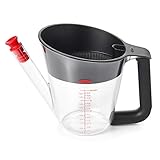
Overview: The OXO Good Grips 4 Cup Fat Separator is a kitchen workhorse designed for home cooks who take their gravy and sauce preparation seriously. This transparent plastic separator allows you to easily separate fat from pan drippings, creating healthier, more flavorful gravies. With a generous 4-cup capacity, it’s ideal for holiday roasts and large family meals where substantial quantities of sauce are needed.
What Makes It Stand Out: OXO’s legendary Good Grips design shines here with a comfortable, non-slip handle that remains secure even when hands are wet or greasy. The integrated stopper is the star feature—creating an airtight seal that prevents fat from entering the spout as juices settle. The built-in strainer effectively catches unwanted bits, while the raised shield minimizes messy splashing during pouring. Clear measurement markings in both standard and metric units eliminate guesswork.
Value for Money: At $19.95, this separator sits in the mid-range price bracket, but the OXO brand reputation for durability and ergonomic design justifies the investment. Cheaper alternatives exist, but few match the thoughtful engineering and longevity. For cooks who regularly make gravies and sauces, the time saved and frustration avoided makes this a worthwhile purchase.
Strengths and Weaknesses: Strengths include exceptional ergonomics, a reliable stopper system, large capacity, and dishwasher-safe convenience. The clear plastic construction allows easy monitoring of separation. Weaknesses are minimal: the plastic may eventually stain with heavy turmeric or tomato use, and it’s bulkier to store than smaller models. Some users might prefer glass, though the lightweight plastic is less prone to breaking.
Bottom Line: This is the go-to choice for serious home cooks seeking reliability and comfort. The 4-cup capacity handles big meals effortlessly, and OXO’s quality ensures years of dependable service. Highly recommended for anyone who regularly prepares gravies, stocks, or sauces.
2. Fat Separator With Bottom Release, 4 Cup Gravy Separator for Cooking with Oil Strainer, Kitchen Gadgets Grease Separator Packaged with a 3-in-1 Multifunctional Peeler (Red)

Overview: The Vondior Fat Separator positions itself as a premium, feature-packed solution for health-conscious cooks. This 4-cup separator employs a bottom-release mechanism that claims to offer superior control over liquid dispensing. Packaged as a complete kitchen gift set with a bonus 3-in-1 peeler, it targets both functionality and presentation.
What Makes It Stand Out: The innovative bottom-release button system eliminates traditional spout pouring—simply press the red silicone plug to dispense liquid from the base. This design works with both hot and cold fluids, expanding its utility beyond gravy to include fruit juice clarification and sauce preparation. The included stainless steel 3-in-1 peeler adds unexpected value, while the gift-ready packaging with instructions makes it presentation-perfect for holidays.
Value for Money: At $26.99, this is the most expensive option reviewed, but the bundled peeler and 3-year warranty soften the blow. The price premium reflects the unique bottom-release mechanism and gift-oriented packaging. For those seeking a distinctive kitchen gift or who prioritize the bottom-dispensing feature, the value proposition strengthens.
Strengths and Weaknesses: Strengths include versatile temperature compatibility, the innovative release mechanism, BPA-free heat-resistant construction, and the generous warranty. The bonus peeler is a thoughtful addition. However, bottom-release mechanisms can develop leaks if the silicone seal degrades, and cleaning around the release valve requires extra attention. The price point may be excessive for casual users who don’t need the peeler or specialty features.
Bottom Line: Best suited as a gift for enthusiastic cooks or those intrigued by the bottom-release design. While functional and well-packaged, the premium price exceeds what most home cooks need to spend. Consider only if the unique dispensing method or gifting aspect appeals to you.
3. GoodCook Everyday Fat Separator for Cooking, 2-Cup Heat-Resistant Separator with Pour Spout, Bottom Release Fat Separator for BBQ and Gravy, Strainer and Silicone Stopper for Mess-Free Use

Overview: The GoodCook Everyday Fat Separator offers a budget-conscious entry point for cooks wanting to experiment with fat separation without committing to premium prices. This 2-cup model combines traditional design with a bottom-release mechanism, making it accessible for smaller households or occasional gravy makers.
What Makes It Stand Out: This separator bridges the gap between basic pour-spout models and premium designs by incorporating a bottom-release system at an affordable price point. The integrated silicone stopper creates an effective seal, while the heat-resistant construction (up to 200°F) handles most cooking applications. The removable strainer with its own handle demonstrates thoughtful design for mess-free operation.
Value for Money: At just $10.00, this represents exceptional value. It delivers core fat-separation functionality with modern features like bottom-release and silicone sealing at half the price of competitors. For budget-minded cooks or those unsure how frequently they’ll use a separator, this minimizes financial risk while maximizing utility.
Strengths and Weaknesses: Strengths include unbeatable affordability, the convenient bottom-release mechanism, effective silicone stopper, and easy cleanup. The integrated strainer handle is a nice touch. Weaknesses are the limited 2-cup capacity, which proves insufficient for large roasts or batch cooking. The 200°F heat resistance is lower than some alternatives, potentially limiting use with extremely hot pan drippings. Build quality, while adequate, won’t match premium brands for longevity.
Bottom Line: An excellent starter option for small families or occasional cooks. It performs its primary function admirably at a price that’s hard to beat. Choose this if you’re budget-conscious or have limited storage space, but upgrade to a larger capacity model if you regularly host large gatherings.
4. Fox Run Gravy/Fat Poultry, Separator, 1.5-Cup

Overview: The Fox Run Fat Separator serves a niche market—cooks preparing small portions for one or two people. With its diminutive 1.5-cup capacity, this acrylic separator prioritizes compact storage and simplicity over volume. It’s a straightforward tool for occasional gravy makers who don’t need large-batch capabilities.
What Makes It Stand Out: Its ultra-compact size is the defining characteristic, occupying minimal cabinet space and proving ideal for apartment dwellers or those with limited kitchen storage. The durable acrylic construction offers glass-like clarity without fragility, and the dual measurement markings provide recipe flexibility. At under ten dollars, it’s the most accessible entry point for fat separation technology.
Value for Money: Priced at $9.99, this is the cheapest option available, making it a low-risk purchase. However, the value is tempered by its specialized nature—the small capacity severely limits versatility. For singles or couples who only make gravy occasionally, it’s perfectly adequate. For anyone else, the restrictive size diminishes overall value.
Strengths and Weaknesses: Strengths include affordability, compact storage, lightweight durability, and dishwasher-safe convenience. The clear acrylic allows easy fat-level monitoring. Significant weaknesses include the tiny 1.5-cup capacity, which is impractical for families or holiday meals. There’s no mention of a strainer, meaning you’ll need to pre-strain liquids. Acrylic can crack over time and may retain odors more than glass or higher-quality plastics. The basic design lacks ergonomic enhancements found in pricier models.
Bottom Line: Only recommended for solo cooks or couples with minimal gravy needs. Its capacity is too restrictive for most households, making it a poor primary choice. Consider this as a secondary tool for small tasks, but invest in a larger separator if you regularly cook for more than two people.
5. OXO Good Grips 2 Cup Fat Separator, Plastic, One Size

Overview: The OXO Good Grips 2 Cup Fat Separator scales down the brand’s proven design for smaller households. It retains all the signature features of its larger sibling—the stopper system, strainer, and ergonomic handle—in a more compact, affordable package. This model targets couples and small families who want OXO quality without excess capacity.
What Makes It Stand Out: OXO’s commitment to user-friendly design remains evident in the comfortable non-slip handle and the effective stopper that prevents fat from entering the spout. The integrated strainer catches solids, while the raised shield reduces pouring splashes. The clear measurement markings ensure accurate recipe execution. You get the same trusted OXO engineering in a space-saving size.
Value for Money: At $14.95, this offers a sweet spot between the budget GoodCook model and the larger 4-cup OXO. The per-cup cost is higher than the 4-cup version, but the lower total investment makes OXO quality accessible to those with smaller storage spaces or cooking needs. For regular gravy makers cooking for 2-4 people, this delivers premium features without paying for unnecessary capacity.
Strengths and Weaknesses: Strengths include OXO’s superior ergonomics, reliable stopper mechanism, built-in strainer, and dishwasher-safe construction. The 2-cup size is perfect for everyday meals without being cumbersome. Weaknesses mirror the larger OXO model—plastic can stain over time, and the capacity may still prove limiting for large holiday gatherings. The price, while reasonable for OXO, exceeds budget alternatives with similar capacity.
Bottom Line: The ideal choice for small families who prioritize quality and comfort over maximum capacity. It delivers OXO’s renowned usability in a practical size for everyday cooking. If you regularly cook for 2-4 people and want a separator that will last, this is your best bet. Skip only if you need larger volumes or are on a strict budget.
6. Cook Army Fat Separator with Bottom Release – 4 Cup Gravy Separator for Cooking with Oil Strainer, Kitchen Grease Separator -the perfect Kitchen Gadget plus a 3-1 Multifunctional Vegetable Peeler

Overview: The Cook Army Fat Separator with Bottom Release is a 4-cup kitchen tool designed to streamline gravy and sauce preparation. This set includes a 3-in-1 multifunctional vegetable peeler, positioning itself as a comprehensive kitchen solution for health-conscious cooks looking to reduce fat content in their dishes.
What Makes It Stand Out: The quick-release lever mechanism sets this separator apart, allowing users to dispense purified liquid with a simple press. Engineered with kitchen expert input, the 32-ounce container features heat-resistant measurement markings and dishwasher-safe construction. The inclusion of a bonus vegetable peeler adds unexpected versatility, making this more than a single-use gadget.
Value for Money: At $22.99, this package offers solid value by combining two functional tools. Comparable fat separators alone retail for $20-25, essentially making the peeler a free bonus. While not the cheapest option available, the expert-vetted design and dual-product offering justify the mid-range price point for budget-savvy home chefs.
Strengths and Weaknesses: Strengths include the intuitive bottom-release system, durable BPA-free construction, easy cleaning, and the versatile bonus peeler. The heat-resistant markings maintain accuracy even with hot liquids. Weaknesses involve the lesser-known brand reputation compared to industry leaders, potential for plastic staining over time, and the peeler’s quality being unproven. Some users may prefer a more established name for long-term durability confidence.
Bottom Line: This Cook Army set excels for home cooks wanting functionality and value. The bottom-release mechanism works flawlessly, and the bonus peeler sweetens the deal. While brand recognition is limited, the performance and included accessories make it a smart purchase for everyday kitchen use.
7. OXO Good Grips Good Gravy 4-Cup Fat Separator

Overview: The OXO Good Grips Good Gravy 4-Cup Fat Separator represents the gold standard in kitchen ergonomics and reliability. From a brand synonymous with thoughtful design, this tool promises effortless fat separation for healthier gravies, soups, and sauces through its innovative bottom-release mechanism.
What Makes It Stand Out: OXO’s legendary Good Grips handle provides superior comfort and control, while the silicone shut-off valve creates a leak-proof seal that prevents messy drips. The built-in strainer effectively catches unwanted bits, and comprehensive measurement markings in cups, ounces, and milliliters offer precise portioning. The non-slip handle release mechanism ensures smooth operation even with wet hands.
Value for Money: Priced at $27.95, this separator sits at the premium end of the market. However, OXO’s reputation for durability and customer service justifies the investment. While you can find cheaper alternatives, the superior ergonomics, reliable sealing system, and multi-unit measurements deliver professional-grade performance that outlasts budget competitors, making it cost-effective over time.
Strengths and Weaknesses: Strengths include the iconic comfortable handle, foolproof silicone valve, clear measurement conversions, sturdy construction, and trusted brand warranty. The integrated strainer simplifies the process. Weaknesses center on the higher price point and absence of bonus accessories. Some users may find the 4-cup capacity limiting for large-batch cooking, and the premium cost might deter occasional cooks.
Bottom Line: For those prioritizing quality and comfort, the OXO Good Grips separator is unmatched. The ergonomic design and leak-proof performance make it worth every penny. Serious home cooks and those with hand mobility issues will appreciate the thoughtful engineering. Highly recommended for daily use.
8. Fat Separator With Bottom Release, 4 Cup Gravy Separator for Cooking with Oil Strainer, Kitchen Gadgets Grease Separator Packaged with a 3-in-1 Multifunctional Peeler (Green)

Overview: The Vondior Fat Separator with Bottom Release arrives as a comprehensive package featuring a 4-cup grease separator and a bonus 3-in-1 multifunctional peeler. Presented in gift-ready packaging, this green-tinted kitchen gadget targets health-conscious cooks seeking versatility and convenience in their sauce and gravy preparation.
What Makes It Stand Out: This separator’s versatility shines through its ability to handle both hot and cold fluids, from gravy to fruit juice pulp removal. The improved bottom-release mechanism features a silicone drip plug for controlled pouring, while the clear plastic construction includes precise measurement markings. The standout feature is the 3-year quality warranty, accompanied by detailed user instructions and a stainless steel peeler with ergonomic handle.
Value for Money: At $26.99, this set positions itself as a premium gift option. The inclusion of the peeler, gift packaging, and extensive warranty adds significant value beyond the basic separator function. While slightly more expensive than budget alternatives, the quality assurance and bonus accessories create a compelling package for gift-givers or those wanting extra peace of mind.
Strengths and Weaknesses: Strengths include the generous warranty period, attractive gift packaging, BPA-free heat-resistant materials, dishwasher-safe components, and versatile peeler. The clear instructions aid first-time users. Weaknesses involve the higher price point for those seeking only a basic separator, and the green color may not match all kitchen aesthetics. The brand recognition, while growing, doesn’t yet rival OXO.
Bottom Line: The Vondior set excels as a thoughtful gift for mothers, grandmothers, or aspiring chefs. The 3-year warranty demonstrates manufacturer confidence, while the bonus peeler adds practical value. Though priced above entry-level options, the comprehensive package and quality guarantee make it a worthwhile investment for regular cooks.
9. Fat Separator with Strainer and Bottom Release 33 oz Gravy Grease Separator for Cooking Healthier Gravy

Overview: This budget-friendly Fat Separator with Strainer and Bottom Release offers a 33-ounce capacity for cooks seeking healthier gravies without breaking the bank. The straightforward design focuses on essential functionality, featuring a one-touch red button release system that separates fat from broth in seconds, making it an accessible entry point into fat separation technology.
What Makes It Stand Out: The primary appeal lies in its simplicity and disassembly feature, breaking down into three parts for thorough cleaning. The one-touch operation eliminates tilting or skimming, while the built-in filter traps solids effectively. Compatible with both hot and cold fluids, this separator handles everything from holiday roasts to chilled fruit juices, offering versatility rarely seen at this price point.
Value for Money: At $16.99, this represents exceptional value as the most affordable option in its class. The price makes it accessible for occasional cooks or those wanting to test fat separation before investing in premium brands. While construction may not match higher-priced competitors, the functionality-per-dollar ratio is outstanding, delivering core features without unnecessary frills.
Strengths and Weaknesses: Strengths include the unbeatable price, easy disassembly for cleaning, straightforward one-touch operation, and adequate 4-cup capacity. The heat-resistant materials handle typical cooking temperatures. Weaknesses center on unknown long-term durability, potentially thinner plastic construction, and lack of brand reputation or warranty information. The measurement markings may be less precise than premium options.
Bottom Line: For budget-conscious buyers or first-time users, this separator delivers impressive functionality at an entry-level price. The disassembly feature simplifies cleaning, and the bottom-release works reliably. While not built for decades of use, it performs admirably for occasional cooking and represents minimal financial risk.
10. Bellemain 4-Cup Fat Separator/Measuring Cup with Strainer & Fat Stopper / 1 Liter Capacity
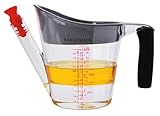
Overview: The Bellemain 4-Cup Fat Separator distinguishes itself with a traditional high-top design engineered to prevent congealed fat from sloshing over the rim during pouring. This 1-liter capacity tool combines classic separator principles with modern material innovations, targeting serious home chefs who prioritize gravy clarity and rich, fat-free sauces.
What Makes It Stand Out: The innovative high-top architecture is the star feature, addressing a common frustration with traditional separators. Combined with a slip-resistant handle, silicone stopper for airtight spout sealing, and an oversized solid-catching strainer, the design demonstrates thoughtful iteration on classic concepts. The heat-resistant construction withstands temperatures up to 400°F, allowing pouring of boiling stock directly from the pot.
Value for Money: At $20.80, Bellemain occupies the mid-range sweet spot. It offers premium features like high-heat tolerance and ergonomic improvements without the OXO price premium. The large capacity and robust construction provide professional-level utility for holiday cooking and batch sauce preparation, delivering excellent return on investment for frequent users.
Strengths and Weaknesses: Strengths include the unique high-top spill prevention design, impressive 400°F heat resistance, comfortable slip-resistant handle, and large batch capacity. The silicone stopper ensures clean pouring. Weaknesses involve the traditional spout design (no bottom release), which some users may find less convenient, and the brand lacks OXO’s widespread recognition. The plastic may be prone to staining with heavy turmeric use.
Bottom Line: Bellemain’s separator is ideal for cooks preferring traditional spout designs enhanced with modern engineering. The high-top innovation solves real problems, and the heat resistance is outstanding. While it eschews the bottom-release trend, its performance and mid-range pricing make it a compelling choice for gravy purists and frequent sauce makers.
Why a Fat Separator is Essential for Perfect Gravy
The difference between good gravy and exceptional gravy often comes down to texture and clarity. Fat separators address the fundamental challenge of removing lipids while preserving the flavorful, collagen-rich juices that give gravy its body and depth. When you roast meat, rendered fat rises to the surface because it’s less dense than the water-based juices and stock below. This natural separation is the principle behind the tool, but without a proper mechanism to isolate the two layers, you’re left with either greasy gravy or watered-down flavor.
Beyond aesthetics, removing excess fat serves important health and taste considerations. A properly defatted gravy allows the subtle nuances of herbs, aromatics, and meat essences to shine through rather than being masked by an oily coating. For those monitoring dietary intake, it can significantly reduce calories without sacrificing the soul-warming satisfaction that makes gravy a beloved accompaniment. The right fat separator gives you precise control over this balance, ensuring every batch meets your exact standards.
How Fat Separators Work: The Science Behind the Tool
Understanding the physics behind fat separation helps you use these tools more effectively. Fat and water don’t mix due to their molecular structures—fat molecules are nonpolar while water molecules are polar. This immiscibility, combined with the density difference (fat is about 10% less dense than water), causes them to separate into distinct layers when left undisturbed. A fat separator simply provides a controlled environment for this natural process and a strategic way to access the desirable layer.
Most separators work through a simple but clever design. You pour your pan drippings into the container, allowing 5-10 minutes for the layers to settle. The spout is positioned at the base of the container, so when you tilt it to pour, you’re drawing from the bottom layer of concentrated juices first, leaving the floating fat layer behind. Some advanced models incorporate release valves or specialized filters to enhance this process, but the core principle remains elegantly simple: let physics do the work, then pour strategically.
Key Features to Consider When Buying a Fat Separator
Capacity: Finding the Right Size for Your Needs
Capacity is perhaps the most practical consideration when selecting a fat separator. Models typically range from 1-cup (250ml) mini separators to 6-cup (1.5L) jumbo versions. A 4-cup (1L) separator serves most home cooks well, handling the drippings from a medium turkey or roast while remaining manageable to pour. If you frequently cook for large gatherings or make big batches of stock, consider a larger capacity to avoid multiple separation sessions.
Conversely, smaller separators offer better control for everyday cooking and take up less storage space. Think about your typical cooking volume—do you host holiday dinners for 12+ people, or are you usually cooking for two? The right capacity prevents overflow accidents and ensures you’re not cleaning a massive container for a small amount of drippings.
Material: Glass vs. Plastic vs. Stainless Steel
The material of your fat separator affects durability, heat tolerance, clarity, and maintenance. Heat-resistant plastic separators are lightweight, affordable, and won’t shatter if dropped. Look for BPA-free, food-grade plastics that withstand temperatures up to 400°F (200°C). However, plastic can stain over time and may retain odors from strongly seasoned drippings.
Glass separators offer crystal-clear visibility, allowing you to see the separation layers precisely. They’re non-porous, won’t absorb flavors, and are typically dishwasher safe. The downside? They’re heavier and vulnerable to thermal shock or breakage. Borosilicate glass provides superior heat resistance but comes at a premium price.
Stainless steel options are virtually indestructible and maintain temperature well, but you lose the visual cue of seeing the fat layer. Some hybrid models feature stainless steel bodies with glass or clear plastic windows. Your choice depends on your priorities: durability, visibility, or heat retention.
Strainer Mechanism: Built-in vs. Separate
How your separator handles solid bits—browned meat fragments, herbs, and vegetable pieces—significantly impacts convenience. Built-in strainers sit at the top opening, catching solids as you pour drippings into the container. These integrated designs reduce cleanup and ensure you don’t misplace components. Look for fine-mesh designs that capture small particles without clogging easily.
Separate strainers require an extra step but offer more control. You can use your own fine-mesh sieve or cheesecloth for ultra-clear consommés. Some cooks prefer this flexibility, especially when working with heavily seasoned roasts where you want to remove specific aromatics. Consider whether you value streamlined efficiency or customizable precision in your workflow.
Spout Design: The Key to Clean Pouring
The spout is where design ingenuity truly matters. Traditional spouts extend from the bottom of the container and curve upward, creating a siphon effect that draws from the lowest liquid level. The best designs feature anti-drip spouts with precise pouring control—nothing’s worse than gravy dribbling down the side of your separator and onto the counter.
Some premium models include stopper mechanisms that plug the spout during filling and settling, preventing premature pouring or fat from entering the spout. Others have angled spouts that improve ergonomics and reduce wrist strain. Pay attention to spout placement; it should start as close to the base as possible without creating a dead space where juices could trap and spoil.
Heat Resistance and Temperature Tolerance
Your separator must withstand the thermal shock of piping hot pan drippings, often exceeding 200°F (93°C). Check manufacturer specifications for maximum temperature ratings. Glass separators should be made from borosilicate glass, the same material used in laboratory equipment, which handles rapid temperature changes without cracking.
Plastic models need to be specifically labeled as heat-resistant—standard plastic pitchers will warp, leach chemicals, or even melt. Stainless steel naturally excels here but verify that any handles or lid components are equally robust. Remember, you’ll likely pour boiling liquid into a room-temperature vessel, so thermal shock resistance is non-negotiable for safety and longevity.
Measurement Markings: Precision in Your Cooking
Clear, accurate measurement markings transform your fat separator into a dual-purpose tool. Etched or molded markings that won’t fade over time allow you to measure exactly how much juice you’ve collected, crucial for following gravy recipes that specify ratios of fat to flour to liquid. Look for both cup and milliliter markings for versatility.
The best designs have markings visible from both sides for left- and right-handed users. Some even include specific gravy ratios printed on the side, serving as a quick reference guide. Avoid painted markings, which can wear off after repeated dishwasher cycles. The markings should be precise enough for recipe accuracy but bold enough to read quickly during busy cooking sessions.
Ease of Cleaning and Dishwasher Safety
A fat separator with hard-to-reach corners or narrow openings becomes a breeding ground for rancid fat residue. Wide-mouth designs allow hand-washing access and prevent buildup in crevices. All components—lids, stoppers, strainers—should disassemble easily for thorough cleaning.
Dishwasher safety is a major convenience factor, but placement matters. Top-rack-only designs may warp on the bottom rack’s intense heat. Glass and stainless steel models typically fare better in dishwashers than plastic, which can develop a cloudy film over time. Consider whether the time saved with dishwasher cleaning outweighs potential material degradation.
Types of Fat Separators: Pros and Cons
Traditional Pitcher-Style Separators
The classic design resembles a measuring cup with a low-mounted spout. These straightforward tools are intuitive to use, affordable, and widely available. Their simplicity means fewer parts to break or lose. However, they require careful pouring technique to avoid disturbing the fat layer, and you must watch continuously to stop pouring before fat reaches the spout.
Pitcher-style separators excel at multitasking—they’re excellent for defatting pan sauces, measuring stock, or even serving cream. Their versatility makes them ideal for cooks who want one tool for multiple applications. The main drawback is the learning curve; beginners may accidentally pour too quickly or tilt too far, mixing the layers they’ve worked to separate.
Bottom-Release Fat Separators
These innovative models feature a release valve at the base, operated by a trigger or button. You fill the container, let it settle, then position it over your gravy boat and press to release the juices from the bottom. The fat layer remains floating above the valve, never entering your final product. This design eliminates the need for careful watching and precise tilt control.
The trade-off is complexity—more moving parts mean more potential failure points. Silicone seals can wear out, and springs may eventually lose tension. They’re also typically more expensive and can be harder to clean around the valve mechanism. For those who prioritize foolproof operation and are willing to perform occasional maintenance, bottom-release models offer unmatched convenience.
Fat Mop and Gravy Strainer Alternatives
For minimalists or occasional gravy makers, a fat mop (absorbent pads that soak up surface oil) or a fine-mesh gravy strainer might suffice. Fat mops are disposable and work reasonably well for small amounts of fat, but they’re wasteful and can’t handle large volumes. Gravy strainers are essentially ultra-fine sieves that catch solids while allowing some separation to occur during pouring.
These alternatives lack the precision and efficiency of dedicated separators but require less storage space and investment. They’re best suited for cooks who make gravy only a few times a year or have severely limited kitchen storage. Consider them entry-level solutions before committing to a purpose-built tool.
Understanding Fat Content: When to Use a Separator
Not every pan sauce requires defatting. A quick pan sauce for steak might benefit from the flavor and body that rendered fat provides. However, large roasts—turkey, goose, prime rib, pork shoulder—produce significant fat layers that can overwhelm the delicate balance of gravy. As a rule of thumb, if your drippings pool more than ¼ inch of fat on the surface, separation is worthwhile.
The type of meat matters too. Duck and goose are exceptionally fatty, often requiring separation even for small quantities. Leaner meats like chicken or pork tenderloin might need only minimal skimming. Consider your desired outcome: classic French sauces demand crystal-clear jus, while rustic country gravies might embrace some fat for richness. Your separator gives you control over this spectrum.
Step-by-Step Guide to Using a Fat Separator
Start by removing your roast and letting it rest. Pour the hot pan drippings directly into the separator through its built-in strainer, filling it no more than ¾ full to allow settling space. Let it rest undisturbed for 5-10 minutes—longer for larger volumes. During this time, the fat will rise to form a distinct top layer.
If your model has a spout stopper, remove it now. Position your gravy boat or saucepan below the spout. Tilt the separator slowly and steadily, watching the liquid flow. Stop when you see the fat layer approach the spout entrance—this is where measurement markings help you gauge remaining volume. For bottom-release models, simply position and press the release mechanism. The entire process should take under 15 minutes from pan to gravy boat.
Common Mistakes to Avoid When Separating Fat
The most frequent error is rushing the settling process. Pouring too soon creates a cloudy emulsion that defeats the purpose. Resist the urge to start after just a minute or two; those extra few minutes make the difference between clean separation and greasy gravy. Another mistake is overfilling the separator, which leaves no room for the fat layer to rise and can cause spillage.
Pouring too quickly or jerking the separator disturbs the layers, mixing fat back into your juices. Practice a smooth, controlled tilt. Temperature matters too—trying to separate lukewarm drippings is far less effective than working with hot liquid. Finally, neglecting to clean the spout between uses can introduce old, rancid fat into your fresh batch. A quick hot water rinse solves this.
Advanced Tips for Perfect Gravy Every Time
For ultimate clarity, chill your separator in the refrigerator for 10 minutes before use. The temperature contrast helps fat solidify slightly, making separation even more distinct. If you’re making large batches, separate in stages rather than overfilling—your patience will be rewarded with cleaner results. Add a splash of white wine or vinegar to your drippings before separating; the acidity helps break down proteins that can cloud your gravy.
Consider collecting drippings throughout the cooking process. Spoon off excess fat periodically and add it to your separator, letting it accumulate and settle while your roast finishes. This technique prevents the fat from burning onto the pan and gives you a head start on gravy preparation. For ultra-smooth results, strain the separated juices a second time through cheesecloth to catch microscopic particles.
Storage and Maintenance: Extending Your Tool’s Lifespan
Proper storage prevents accidents and maintains hygiene. Store your separator disassembled with the lid off to prevent trapped moisture and odors. If space allows, keep it in a cabinet rather than a crowded drawer where it might get knocked around. For glass models, consider a protective sleeve or storing it inside a pot for cushioning.
Deep clean monthly by filling the separator with hot water and a tablespoon of baking soda, letting it soak overnight to dissolve any invisible fat film. Check silicone seals and gaskets regularly for cracks or stickiness, replacing them at the first sign of wear. For plastic models that develop cloudiness, a brief soak in diluted vinegar can restore clarity. Treat your separator as a precision instrument, not just another cup, and it will serve you for decades.
Price vs. Quality: Making a Smart Investment
Fat separators range from $10 basic plastic models to $50+ premium glass or stainless steel versions. The sweet spot for most home cooks lies between $20-30, where you’ll find durable materials, thoughtful design features, and reliable performance. Budget options work adequately but may need replacement every few years, while high-end models offer longevity that justifies their cost if you cook frequently.
Consider cost-per-use rather than upfront price. A $40 separator used weekly for ten years costs less than a penny per use. Conversely, a $10 separator that warps after a year is actually more expensive long-term. Look for warranties—manufacturers confident in their products often offer 5-10 year guarantees. Remember, this tool directly impacts the quality of your most celebrated meals; it’s worth investing in reliability.
Eco-Friendly and Sustainable Options
Sustainability-conscious cooks can find separators made from recycled plastics or borosilicate glass, which is fully recyclable. Stainless steel offers the ultimate eco-friendly choice—nearly indestructible and recyclable at end-of-life. Avoid disposable fat-skimming products that contribute to landfill waste. Instead, invest in one quality tool that lasts years.
Some manufacturers now offer replacement parts programs, allowing you to buy new gaskets or stoppers rather than replacing the entire unit. Look for minimal packaging and companies with carbon-neutral shipping. Your separator can be both a culinary tool and a statement of environmental responsibility.
Multi-Functional Fat Separators: Beyond Gravy
The best kitchen tools earn their cabinet space through versatility. Your fat separator can degrease homemade soups and stews, clarify butter into ghee, separate coconut cream from water, or even remove oil from salad dressings that have separated. Use it to portion out homemade stock, measuring as you separate. Some cooks repurpose them as large-format cocktail measurers for batching drinks.
During canning season, a fat separator helps remove foam and impurities from fruit juices. For home brewers, it can clarify small batches of broth-based starters. The key is thinking beyond the Thanksgiving turkey—anytime you need to separate two liquids of different densities, this tool has potential applications.
Safety Considerations: Hot Liquids and Kitchen Hazards
Handling boiling liquids demands respect and proper technique. Always place your separator on a stable, heat-resistant surface before filling—never hold it in one hand while pouring with the other. Wear oven mitts that provide grip, not just heat protection. The exterior of glass and stainless steel models becomes extremely hot; plastic models can also transfer surprising amounts of heat.
Pour slowly to avoid splashing, which can cause severe burns. Keep children and pets away from the settling area, as a knocked-over separator spills dangerously hot liquid. If you accidentally drop a glass separator, don’t attempt to catch it—step back and let it fall. The risk of cuts from broken glass combined with hot fat is significant. First aid for grease burns requires immediate cool running water, not ice.
Troubleshooting: What to Do When Things Go Wrong
If your gravy still tastes greasy despite separation, your fat layer may have been too thin to remove effectively, or you poured too aggressively. Next time, let it settle longer and pour more slowly. Cloudy separation often indicates the drippings were too cool—reheat gently and try again. If the spout clogs, it’s likely solidified fat; run hot water through it immediately after use to prevent this.
A separator that leaks from the spout usually has a worn gasket or loose valve. Disassemble and inspect, tightening or replacing components as needed. For persistent odors in plastic models, a paste of baking soda and water left overnight can absorb smells. If the fat layer won’t rise, you may have an emulsion—try adding a tablespoon of cold water to break it. Remember, even professionals encounter these issues; the key is diagnosing and adjusting your technique.
Frequently Asked Questions
1. How long should I wait for fat to separate from pan drippings?
For best results, allow 5-10 minutes for the separation to occur. Larger volumes (over 4 cups) may need up to 15 minutes. The liquid should be hot but not boiling—around 160-180°F is ideal. You’ll see a distinct, oily layer form on top with a clear boundary line.
2. Can I use a fat separator for cold liquids?
Fat separators work best with hot liquids since fat remains fluid and rises quickly. Cold liquids cause fat to solidify, making separation difficult. For cold stock, refrigerate it first, then skim the solidified fat cap manually. Some bottom-release models can handle cooler temperatures better than traditional spout designs.
3. What’s the difference between a fat separator and a gravy separator?
These terms are interchangeable—they refer to the same tool. “Gravy separator” is more consumer-friendly marketing, while “fat separator” describes the function more accurately. Both work on the principle of density separation to remove fat from meat juices and stocks.
4. How do I clean a clogged spout on my fat separator?
Immediately after use, flush the spout with hot, soapy water. For stubborn clogs, soak the entire spout in boiling water for 5 minutes, then use a pipe cleaner or bottle brush to dislodge the fat. Avoid using sharp objects that could scratch or damage the spout interior, as scratches trap future residue.
5. Is a 2-cup fat separator big enough for Thanksgiving turkey?
A 2-cup separator is typically too small for a whole turkey, which can produce 3-4 cups of drippings. You’ll need to work in batches, which risks cooling the liquid between rounds. A 4-cup model is the minimum recommended for holiday birds, with many cooks preferring 6-cup capacity for efficiency.
6. Can I put my fat separator in the microwave?
Only if it’s explicitly labeled microwave-safe. Most glass separators are microwave-safe, but metal spouts or handles make them unsuitable. Plastic models may warp or leach chemicals. When in doubt, transfer the separated juices to a microwave-safe container for reheating. Never microwave with the spout stopper in place.
7. Why is my separated gravy still cloudy?
Cloudiness usually means you’ve created an emulsion by pouring too quickly or the liquid was too hot and turbulent. Let it settle again undisturbed. For crystal-clear results, strain the separated juices through a coffee filter or cheesecloth to catch microscopic particles that cause cloudiness.
8. How often should I replace my fat separator?
With proper care, a quality glass or stainless steel separator can last decades. Plastic models typically need replacement every 3-5 years as they become cloudy or retain odors. Replace any separator immediately if it develops cracks, chips, or if the spout mechanism leaks despite cleaning and tightening.
9. Can I separate fat from vegetarian or vegan gravies?
Traditional fat separators are designed for animal fats, which have different densities than plant-based oils. Some plant oils may not separate as cleanly. For vegan cooking, consider refrigerating the liquid first, then skimming the solidified oil layer. Bottom-release models may work better than spout-style for plant-based separations.
10. What’s the best way to dispose of the separated fat?
Never pour hot fat down the drain—it solidifies and causes severe plumbing clogs. Let it cool completely, then scrape it into a sealed container and discard with household trash. Some municipalities accept cooking oil for recycling into biofuel. For small amounts, absorb with paper towels before disposal. Always wait until the fat is solidified or fully cooled to prevent garbage bag leaks.