There’s something undeniably elegant about pulling a bubbling casserole straight from the oven and placing it directly onto your dining table. No awkward transfers, no extra dishes to wash—just one beautiful piece that handles both cooking and serving with effortless grace. Glass bakeware has mastered this oven-to-table dance, becoming the secret weapon of home cooks who value both functionality and presentation. Unlike metal pans that hide your culinary creations or ceramic dishes that can’t handle extreme temperatures, quality glass bakeware offers a transparent advantage: you can monitor browning, ensure even cooking, and showcase your food beautifully.
But not all glass bakeware sets are created equal. From the molecular structure of the glass itself to the ergonomic design of the handles, every detail impacts performance, safety, and longevity. Whether you’re a meal-prep enthusiast looking for freezer-to-oven convenience or a weekend baker seeking picture-perfect presentations, understanding what separates exceptional glass bakeware from mediocre alternatives will transform your kitchen experience. Let’s dive deep into the world of thermal dynamics, material science, and design engineering that makes these versatile pieces kitchen essentials.
Top 10 Glass Bakeware Sets
Detailed Product Reviews
1. Libbey Baker’s Basics 5 Piece Glass Baking Dish Set with 1 Lid, Stackable, Clear Versatile Casserole Dish Set, Baking Glassware Set for Food Prep

Overview: The Libbey Baker’s Basics 5-Piece Glass Baking Dish Set offers a versatile mix of essential bakeware for home cooks. This collection includes a 9"x13" baker, 8"x8" square dish, 9.5-inch deep pie plate, 2-quart mixing bowl, and a 2-quart round casserole with a single lid. Crafted from premium transparent glass, these dishes feature integrated handles with embossed dimensions for easy identification.
What Makes It Stand Out: Unlike most sets that focus solely on casseroles, this collection provides specialized pieces like a dedicated pie plate and mixing bowl, making it a true multipurpose kitchen upgrade. The embossed dimensions on handles eliminate guesswork when selecting the right dish, while the stackable design saves precious cabinet space. The clear construction allows you to monitor browning and bubbling without opening the oven.
Value for Money: At $49.99, you’re getting five distinct pieces from a trusted brand, though only one included lid feels limiting. While the price per piece is reasonable, budget-conscious shoppers might find better lid-to-dish ratios elsewhere. However, the specialized shapes justify the cost if you need more than just rectangular bakers.
Strengths and Weaknesses: Pros include versatile shape variety, space-saving stackability, clear monitoring, and trusted Libbey quality. The embossed handles are genuinely useful. Cons are the single lid for five pieces, lack of borosilicate glass specification, and no depth measurements for the rectangular dishes.
Bottom Line: Ideal for bakers wanting shape variety beyond standard casseroles. If you need lids for everything, look elsewhere, but for pie enthusiasts and those wanting a mixing bowl included, this set delivers solid value.
2. 8-Piece Deep Glass Baking Dish Set with Plastic lids,Rectangular Glass Bakeware Set with Lids, Baking Pans for Lasagna, Leftovers, Cooking, Kitchen, Freezer-to-Oven and Dishwasher, Gray

Overview: This 8-Piece Deep Glass Baking Dish Set delivers four rectangular borosilicate glass dishes with matching gray plastic lids. Sizes range from 1-quart to 3.2-quart, making it perfect for individuals to families. The freezer-to-oven safe construction handles extreme temperature changes without cracking, while the tight-fitting lids feature a non-slip design for secure stacking.
What Makes It Stand Out: The borosilicate glass composition sets this apart from basic soda-lime glass sets, offering superior thermal shock resistance. The lid design is particularly thoughtful—non-slip for stable stacking and slosh-proof for transport. Each dish transitions seamlessly from oven to table to refrigerator, eliminating the need for multiple containers and reducing cleanup.
Value for Money: At $39.99 for four complete dish-and-lid sets, this represents excellent value. comparable Pyrex sets cost significantly more. The inclusion of four lids versus competitors offering fewer makes this a practical choice for meal preppers who need full coverage for storage.
Strengths and Weaknesses: Pros include true freezer-to-oven capability, four matching lids, smart stacking design, and comprehensive size range. The borosilicate glass is a major advantage. Cons are plastic lids (not oven-safe) and utilitarian gray color that may not suit all aesthetics. Some users report lid durability issues over time.
Bottom Line: An exceptional value for those prioritizing functionality over brand prestige. Perfect for meal prep, leftovers, and potlucks. If you need oven-safe lids, consider glass-lid alternatives, but for everyday versatility, this set is hard to beat.
3. Libbey Baker’s Basics 3-Piece Glass Casserole Baking Dish Set with Glass Covers

Overview: The Libbey Baker’s Basics 3-Piece Set features round glass casserole dishes with matching glass covers in 1, 2, and 3.2-quart capacities. This streamlined collection focuses on classic round casseroles that move effortlessly from oven to table to storage. Each piece features embossed dimensions on the handles and stackable design for efficient storage.
What Makes It Stand Out: The glass lids are the star feature—oven-safe and elegant, eliminating the plastic component concerns many cooks have. This creates a completely glass ecosystem for cooking and storage. The round shape is ideal for even heat distribution and works beautifully for dishes like cobblers, bread puddings, and traditional casseroles. The embossed sizing is practical for quick selection.
Value for Money: Priced at $44.98 for three pieces with glass lids, this sits in the mid-range. You’re paying a premium for glass versus plastic lids, but the oven-safe capability and durability justify the cost. For those avoiding plastic entirely, this is actually economical compared to buying pieces separately.
Strengths and Weaknesses: Pros include oven-safe glass lids, lead-free construction, excellent stackability, and clear sizing identification. The round design promotes even cooking. Cons are limited shape variety (only round), fewer pieces than competitive sets, and glass lids add weight. No rectangular options for brownies or sheet cakes.
Bottom Line: Perfect for cooks who prioritize oven-safe lids and plastic-free storage. Ideal for classic casseroles and oven-to-table presentation. If you need rectangular bakers or more pieces, look elsewhere, but for quality round casseroles, this set excels.
4. Eatex 8-Piece Deep Glass Casserole Dishes for Oven with Plastic Lids, Glass Baking Dishes for Oven, Rectangular Bakeware for Lasagna, Cooking, Leftovers, Kitchen, Freezer to Oven Dishwasher Safe

Overview: The Eatex 8-Piece Set offers four rectangular borosilicate glass baking dishes with airtight plastic lids at a budget-friendly price point. Sizes mirror premium competitors: 1, 1.7, 2.3, and 3.2 quarts. The shock-resistant glass withstands temperatures up to 550°F and transitions from freezer to oven safely, while the snap-on lids provide leakproof storage.
What Makes It Stand Out: This set’s affordability combined with high-performance borosilicate glass is remarkable. The 550°F oven rating exceeds many competitors’ limits. The airtight, leakproof lids make it ideal for transporting dishes to potlucks or storing leftovers without spills. The widened handles offer a secure grip, addressing a common complaint with cheaper bakeware.
Value for Money: At just $31.31, this is the most economical option reviewed. You’re getting four dish-and-lid sets with premium borosilicate glass for less than the cost of three glass-lidded pieces elsewhere. For budget-conscious buyers or those stocking a first kitchen, the value is exceptional. The performance rivals sets costing twice as much.
Strengths and Weaknesses: Pros include unbeatable price, high heat tolerance, leakproof lids, secure handles, and true freezer-to-oven capability. Cons are plastic lids (not oven-safe), unknown brand longevity, and utilitarian design. Lid durability may not match glass alternatives.
Bottom Line: Outstanding value for performance-focused buyers on a budget. Perfect for students, first apartments, or anyone needing functional versatility without brand premiums. If you don’t need oven-safe lids, this set delivers premium features at an entry-level price.
5. Pyrex Deep 3-Pack Glass Baking Dish Set (9"x13", 7"x11", 8"x8") With BPA-Free Lids, Rectangular Glass Bakeware, Dishwasher, Microwave, Freezer & Pre-Heated Oven Safe
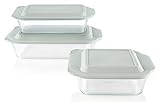
Overview: The Pyrex Deep 3-Pack delivers three rectangular baking dishes in the most popular sizes—9"x13", 7"x11", and 8"x8"—each with BPA-free plastic lids. These dishes are up to 50% deeper than standard Pyrex, preventing spillovers and accommodating larger portions. Made from high-quality tempered glass, they’re safe for pre-heated ovens, microwaves, freezers, and dishwashers.
What Makes It Stand Out: The “Deep” design is genuinely innovative, solving the common problem of casseroles bubbling over. As America’s #1 glass bakeware brand, Pyrex offers unmatched reliability and customer trust. The snug-fitting lids are freezer, microwave, and top-rack dishwasher safe, providing versatility that many competitors lack. The classic rectangular shapes are the most versatile for everything from lasagna to brownies.
Value for Money: At $45.19, you’re paying for the Pyrex name and proven quality. While pricier than generic brands, the depth upgrade and brand reliability justify the premium. Comparable standard-depth sets cost similar amounts, making the deep design a free upgrade. For those who value brand reputation and thoughtful design, it’s fairly priced.
Strengths and Weaknesses: Pros include revolutionary deep design, trusted brand quality, comprehensive size coverage, and versatile lid safety. The non-porous glass resists staining and odors. Cons are plastic lids (though high-quality), fewer pieces than some sets, and tempered glass (not borosilicate) has lower thermal shock resistance.
Bottom Line: The best choice for those wanting premium brand reliability with innovative design. Perfect for families and frequent entertainers who need extra capacity. If you trust Pyrex and want spill-proof depth, this set is worth every penny.
6. Nestl 8pc Glass Baking Dishes for Oven, Glass Food Storage Containers with Lids, Leakproof Casserole Dishes for Oven with Lid, Cooking, Microwave Oven Freezer Safe Bakeware, 9x13 Lasagna Pan Black

Overview: This comprehensive 8-piece set from Nestl combines four borosilicate glass baking dishes with matching airtight lids, offering exceptional versatility for modern kitchens. The graduated sizes range from 1-quart to 3.2-quart capacities, accommodating everything from individual portions to family-sized lasagnas. Designed for seamless transitions between freezer, oven, and table, these containers eliminate the need for multiple dish transfers while keeping food storage organized and efficient.
What Makes It Stand Out: The Nestl set’s impressive 550°F oven tolerance exceeds most competitors, allowing for high-heat roasting and broiling without concern. The shock-resistant borosilicate glass construction enables direct freezer-to-oven cooking, a feature that saves precious prep time. Wide, ergonomic handles provide secure gripping even with bulky oven mitts, while the snap-on plastic lids create a genuinely leakproof seal for confident transport and storage. The stackable design maximizes cabinet space, making it ideal for compact kitchens.
Value for Money: At $34.99 for eight pieces ($4.37 per item), this set delivers exceptional mid-range value. Purchasing comparable borosilicate dishes individually would cost significantly more. The dual-functionality as both bakeware and storage eliminates the need for separate container sets, providing long-term savings on kitchen equipment. The durability of premium glass ensures years of service, making this a smart investment for regular home cooks.
Strengths and Weaknesses: Strengths: Superior heat resistance (550°F); true leakproof lids; versatile size range; freezer-to-oven safe; space-saving stackability; BPA-free materials; secure wide handles. Weaknesses: Plastic lids must be hand-washed; black finish may show scratches over time; lids not oven-safe; unknown brand longevity compared to legacy manufacturers.
Bottom Line: The Nestl set excels for home cooks seeking maximum versatility and heat performance without premium pricing. Its high-temperature tolerance and secure sealing make it a reliable workhorse for both daily meal prep and special occasion cooking.
7. Libbey Baker’s Premium 5 Piece Glass Bakeware Set, Includes 10x14, 9x13 with Lid, and 8x8 with Lid, Stackable with GreatGrip™ Handles
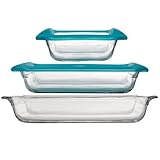
Overview: Libbey’s premium 5-piece collection leverages the brand’s 200-year glassmaking heritage to deliver professional-grade bakeware for serious home cooks. The set includes three substantial dishes—10x14-inch (4.8-quart), 9x13-inch (4.2-quart) with lid, and 8x8-inch (2.1-quart) with lid—covering most baking scenarios. Each piece features the proprietary GreatGrip handle design and patented nesting system, reflecting thoughtful engineering focused on user experience and storage efficiency.
What Makes It Stand Out: The trademarked GreatGrip handles represent a genuine ergonomic improvement, offering superior control when maneuvering hot, heavy casseroles. The patented stackable nesting system allows dishes to interlock securely, reducing cabinet clutter by up to 40% compared to non-nesting sets. Libbey’s reputation for durable, thermal-shock-resistant glass provides confidence for freezer-to-oven cooking. The inclusion of a large 10x14-inch baker without a lid acknowledges that some dishes are primarily for oven-to-table service rather than storage.
Value for Money: Priced at $49.99 ($10 per piece), this set commands a premium but justifies it through superior design and brand reliability. The innovative handle and nesting features add tangible value for those prioritizing safety and kitchen organization. While more expensive than generic alternatives, Libbey’s quality control and lifetime durability make it cost-effective over years of daily use, particularly for cooks who frequently prepare large dishes.
Strengths and Weaknesses: Strengths: Exceptional ergonomic handles; space-saving patented nesting; trusted brand heritage; excellent thermal shock resistance; generous capacity options; professional-grade glass clarity. Weaknesses: Only two lids for three dishes; higher price point; plastic lids require hand washing; limited size granularity compared to 4-piece sets.
Bottom Line: Ideal for dedicated home bakers who value handling safety and storage efficiency, the Libbey set’s premium features warrant its higher price. The innovative design makes it worth the investment for those frustrated by awkward, space-hogging bakeware.
8. [M MCIRCO 80 oz & 36 oz Extra Large Glass Food Storage/Baking Containers Set with Lids, 2 Pack 80 oz(10 cup)&2 Pack 36 oz (4.5 cup) Airtight Glass Container,Microwave,Oven,Freezer and Dishwasher

Overview: M MCIRCO’s 4-piece set targets meal preppers and large families with extra-large capacity containers that function as both bakeware and storage. The set includes two massive 80-ounce (10-cup) and two 36-ounce (4.5-cup) rectangular dishes, all crafted from premium borosilicate glass. Smart locking lids with silicone seals transform these from simple baking pans into genuinely airtight storage solutions, bridging the gap between cooking vessel and leftover container.
What Makes It Stand Out: The 80-ounce capacity is among the largest available in consumer glassware, accommodating full family meals or bulk ingredient prep. The snap-lock lid system incorporates integrated silicone gaskets that maintain airtight integrity far longer than standard press-on lids, preventing leaks and preserving food freshness for extended periods. The premium borosilicate glass construction offers superior thermal shock resistance, while the clear measurement markings aid in portion control and recipe scaling. This set explicitly targets the meal prep community with its focus on capacity and seal reliability.
Value for Money: At $29.99 ($7.50 per container), this set delivers outstanding value for the capacity provided. Comparable extra-large glass containers often retail for $15-20 individually. The robust lid sealing system adds significant value for those who transport meals or store food long-term. While offering fewer total pieces than 8-piece sets, the larger individual volumes make this more economical for bulk cooking scenarios where size matters more than quantity.
Strengths and Weaknesses: Strengths: Exceptional 80-ounce capacity; superior snap-lock sealing system; premium borosilicate glass; clear measurement markings; excellent thermal shock resistance; versatile dual-purpose design. Weaknesses: Only two size options; fewer pieces than competing sets; lesser-known brand; lids not oven-safe; limited color/finish options.
Bottom Line: Perfect for weekly meal preppers, large families, or anyone cooking in bulk, this set’s oversized capacity and reliable sealing system make it a specialized but highly effective solution. The value proposition is strongest for users who need volume over variety.
9. Amazon Basics Glass Baking Dishes with BPA-Free Lids, 6-Piece Set, Borosilicate Glass, Dishwasher and Oven-Safe, Linen Gray

Overview: Amazon Basics delivers a no-frills, budget-conscious 6-piece set comprising three borosilicate glass baking dishes and three coordinating BPA-free lids. The collection includes small (0.26-gallon), medium (0.42-gallon), and large (0.95-gallon) rectangular pans, covering basic baking and storage needs. Designed for functionality over flair, this set focuses on essential performance metrics—thermal shock tolerance, oven safety, and secure storage—at an entry-level price point that makes quality glassware accessible to all budgets.
What Makes It Stand Out: The remarkable 752°F oven safety rating surpasses virtually all competitors, including premium brands, enabling worry-free broiling and high-temperature roasting. The specified 270°F thermal shock tolerance provides clear, quantified assurance for freezer-to-oven transitions. At $3.92 per piece, it’s the market’s value leader by a significant margin. The linen gray lid color offers a neutral aesthetic that blends with most kitchen decors, while the stackable design incorporates non-slip features for stable storage. Amazon’s straightforward specifications and no-nonsense approach appeal to data-driven shoppers.
Value for Money: This set redefines budget value at $23.52 for six pieces. No other borosilicate glass set approaches this price point while maintaining certified oven safety and BPA-free construction. The cost-per-piece is low enough to justify purchasing multiple sets or replacing items without financial strain. While lacking premium features, the core performance specifications match or exceed many higher-priced alternatives, delivering professional-grade thermal properties at consumer-friendly pricing.
Strengths and Weaknesses: Strengths: Unbeatable price point; highest oven temperature rating (752°F); quantified thermal shock resistance; BPA-free materials; dishwasher safe; stackable lids; trusted Amazon warranty support. Weaknesses: Basic design lacks ergonomic handles; limited size range; thinner glass feel than premium brands; generic aesthetic; plastic lids may degrade faster; fewer pieces than some competitors.
Bottom Line: The definitive choice for budget-conscious buyers unwilling to compromise on safety specifications. While it sacrifices design flourishes, its performance credentials and price make it the smart entry-level purchase for first apartments, secondary kitchens, or cost-sensitive shoppers.
10. 8pcs Set Rectangular Bakeware with PP LID (4 Airtight & 4 Lids) | BPA Free, Leakproof, Dishwasher, Microwave & Freezer Safe | Baking Dish Set with Plastic Lids | Containers for Kitchen - Clear

Overview: This 8-piece clear glass set offers a direct competitor to the Nestl collection, featuring four borosilicate glass baking dishes with matching airtight PP lids. Sizes range from 1-quart to 3.2-quart capacities, providing versatile options for individual meals through family-sized casseroles. The transparent construction allows monitoring food during baking and easy identification of stored contents. Designed as a comprehensive kitchen system, it transitions seamlessly between oven cooking, refrigerator storage, and microwave reheating while maintaining food safety standards.
What Makes It Stand Out: The crystal-clear glass construction provides unobstructed visibility during baking, preventing overcooking by allowing visual monitoring without lid removal. The PP (polypropylene) lids offer superior chemical resistance compared to standard plastics, reducing staining from tomato sauces and turmeric. The set’s precise sizing—particularly the 1.7-quart and 2.3-quart options—fills common capacity gaps left by other sets. The manufacturer’s explicit emphasis on eco-friendly, BPA-free materials throughout both glass and lid components appeals to health-conscious consumers seeking plastic alternatives.
Value for Money: Priced at $31.95 for eight pieces ($3.99 per item), this set undercuts the Nestl alternative while offering nearly identical specifications. The clear glass option may provide better longevity as it won’t show scratches like colored finishes. The comprehensive size range eliminates need for supplementary purchases, maximizing utility from a single investment. For buyers prioritizing visibility and chemical resistance in lids, the slight premium over Amazon Basics is justified by the enhanced lid quality and additional pieces.
Strengths and Weaknesses: Strengths: Crystal-clear visibility; chemically resistant PP lids; comprehensive 4-size range; true leakproof sealing; excellent thermal shock resistance; eco-friendly BPA-free construction; dishwasher safe. Weaknesses: Unknown brand reliability; no unique design innovations; plastic lids not oven-safe; hand-wash recommended for lids; lacks ergonomic handle enhancements; no measurement markings.
Bottom Line: A solid, cost-effective alternative to branded sets, offering comparable performance with the added benefit of clear glass construction. Ideal for practical buyers who value visibility and lid quality over brand prestige, making it a smart mid-range choice for everyday kitchen use.
Why Glass Bakeware is the Ultimate Oven-to-Table Solution
Glass bakeware represents the perfect marriage of form and function in modern kitchens. The non-porous surface doesn’t absorb food odors, stains, or flavors, ensuring your chocolate cake never tastes like last night’s garlic chicken. This material neutrality extends to its non-reactive properties, which means acidic tomato sauces and citrus-based dishes won’t develop metallic undertones or discoloration. The transparency factor isn’t just aesthetic—it allows you to monitor the bottom of your crusts and edges of your bakes without opening the oven door and disrupting temperature.
The Science Behind Borosilicate vs. Soda-Lime Glass
Understanding glass composition is fundamental to making an informed purchase. Borosilicate glass contains boron trioxide, which creates a remarkably low coefficient of thermal expansion—roughly one-third that of standard soda-lime glass. This molecular structure allows it to withstand temperature shocks that would shatter lesser materials. When you move a borosilicate dish from freezer to oven, the glass expands and contracts uniformly, minimizing internal stress.
Soda-lime glass, while more affordable, undergoes significant thermal expansion and requires more careful handling. Most modern soda-lime bakeware undergoes tempering, a heat-treatment process that strengthens the surface through compression. However, tempered soda-lime glass still demands gradual temperature transitions. Look for manufacturers who specify “thermal shock resistant” rather than just “tempered,” as this indicates specific engineering for kitchen use.
Thermal Shock Resistance: What You Need to Know
Thermal shock occurs when different parts of a material expand at different rates, creating stress that can lead to catastrophic failure. Quality glass bakeware sets specify their maximum temperature differential—typically ranging from 200°F to 300°F. This rating tells you the safe gap between the dish’s current temperature and the temperature you’re introducing it to.
Preheating your oven with the bakeware inside actually reduces thermal stress compared to placing a room-temperature dish into a screaming-hot oven. The gradual heat-up allows the entire piece to reach equilibrium. Conversely, never add cold liquid to a hot glass dish—this localized cooling creates dangerous stress points. Even the most robust borosilicate pieces have their limits when confronted with extreme, sudden temperature variations.
Aesthetic Appeal: From Rustic to Modern Tablescapes
The visual versatility of glass bakeware makes it a chameleon on your table. Crystal-clear pieces complement minimalist, modern aesthetics, allowing the food to become the centerpiece. Textured or patterned glass adds rustic charm and hides fingerprints and minor scratches that occur over time. Some manufacturers offer subtle tint options—blue, green, or amber—that can coordinate with specific dinnerware collections while still providing visibility.
Consider the silhouette depth when planning your tablescape. Shallow gratin dishes showcase golden-brown toppings beautifully, while deeper casseroles keep foods warmer longer. The base footprint matters too; a dish that fits comfortably on your oven rack should also sit gracefully on a trivet without overhanging your table.
Key Features to Evaluate in Glass Bakeware Sets
Understanding Capacity and Size Variations
Manufacturers often list capacity in both volume (quarts) and dimensions (inches). A “2-quart” baker might measure 7x11 inches or 8x8 inches depending on depth—crucial differences when following recipes designed for specific pan sizes. Standard rectangular bakers typically come in 2-quart, 3-quart, and 4-quart capacities, while round casseroles range from 1.5 to 3.5 quarts.
Consider your household size and cooking habits. A family of four might find 2-quart dishes perfect for side dishes but need 3-4 quart capacities for main courses. If you frequently entertain, having multiple sizes prevents the frustration of scaling recipes incorrectly. Some premium sets include graduated sizing that nests for storage while providing versatility for different meal types.
Lid Types: Plastic, Glass, and Silicone Options
Lids transform bakeware into storage containers, but not all lids serve the same purpose. Plastic lids excel for refrigerator storage and transport, creating lightweight, tight seals. Ensure any plastic components are BPA-free and labeled as food-grade polypropylene, which resists staining and odor absorption. However, plastic lids are never oven-safe and may warp in dishwashers.
Glass lids offer true oven-to-table-to-storage convenience, though they add weight and can be prone to chipping if bumped. Look for lids with steam vents to prevent pressure buildup and moisture-related soggy crusts. Silicone lids provide a middle ground—flexible, oven-safe up to certain temperatures, and creating excellent seals—but may retain odors over time and don’t offer the elegant presentation of glass tops.
Edge Design and Pouring Spouts
The rim design dramatically impacts functionality. Rolled edges provide strength and chip resistance while creating a comfortable grip for oven mitts. Some designs incorporate subtle pouring spouts integrated into corners, invaluable for draining excess liquid or transferring sauces without mess. Flat, straight edges maximize internal capacity but offer less structural reinforcement and can be sharp if chipped.
Consider how the edge profile affects lid fit. A pronounced lip might prevent a flat cookie sheet from sliding over the top for stacking, while too minimal an edge may not support a lid securely. The best designs balance ergonomic handling with practical storage considerations.
Measurement Markings and Handles
Integrated measurement markings inside casserole dishes streamline prep work, eliminating the need for separate measuring cups when adding liquids directly to the pan. These should be etched rather than painted to ensure longevity through repeated cleaning. Handle design deserves careful scrutiny—ideal handles are integrated into the body (not attached) and provide enough clearance for gloved hands to grip securely.
Oversized handles improve safety but may reduce nesting efficiency. Some innovative designs feature handles that extend slightly upward rather than outward, offering secure grip while maintaining a compact footprint. The handle-to-body junction should be smooth with no crevices where food can become trapped.
The Oven-to-Table Advantage: Functional Design Elements
Stackability and Storage Considerations
Premium glass bakeware sets designed for modern kitchens prioritize vertical storage. Nesting designs allow multiple pieces to occupy minimal cabinet space, though this requires careful engineering to prevent pieces from sticking together. Some manufacturers include removable silicone bumpers that protect rims during stacking.
Consider the footprint when lids are both on and off. A set that stacks beautifully without lids may become storage hogs when lids are factored in. Rectangular shapes typically store more efficiently than round ones, though round casseroles often provide better heat circulation for certain dishes. Measure your cabinet depth and height before investing in a large set.
Microwave and Freezer Compatibility
True oven-to-table versatility includes microwave reheating capability. Borosilicate glass excels here, handling microwave energy without hot spots. However, metal accents on handles or decorative elements render pieces microwave-unsafe. For freezer use, consider how the shape affects freezing efficiency—shallow, flat pieces freeze faster than deep blocks, preserving food quality.
The freezer-to-oven capability is where premium glass truly shines. Look for explicit manufacturer testing of this transition, not just vague “freezer safe” claims. The best sets specify maximum temperature differentials and provide guidelines for safe transitions, such as allowing frozen dishes to thaw partially before oven exposure.
Dishwasher Safety and Cleaning Tips
While most glass bakeware is technically dishwasher safe, hand washing extends life significantly. The harsh alkaline environment and vigorous water jets in dishwashers can gradually dull surfaces and stress edges. If using a dishwasher, place pieces on the top rack away from heating elements and ensure they don’t touch other items.
For baked-on residue, avoid abrasive scouring pads that can create micro-scratches where bacteria can hide. Instead, create a paste of baking soda and water, let it sit for 15 minutes, then scrub gently with a non-abrasive sponge. For stubborn stains, a diluted vinegar soak works wonders without compromising the glass surface.
Decoding Glass Bakeware Safety Standards
FDA Compliance and Lead-Free Assurance
All food-contact glassware sold in the US must meet FDA standards, but not all glass is created equal. Decorative glass, particularly vintage pieces or imported items, may contain lead or cadmium in paints or glazes. Modern, quality bakeware uses lead-free formulations, but always verify with the manufacturer if this isn’t explicitly stated.
Clear glass typically contains no lead, but some colored or decorated pieces might. Reputable manufacturers provide Prop 65 warnings if any concerning materials are present, even in trace amounts. For absolute safety, choose clear, undecorated glass for high-heat applications, as heat can accelerate leaching from questionable materials.
BPA-Free Lids and Food-Grade Materials
Plastic lid safety extends beyond BPA. Look for lids marked “BPA, BPF, and BPS-free” to avoid all bisphenol compounds. The sealing gasket material matters too—food-grade silicone is ideal, resisting degradation from acidic foods and repeated washing. Some lids feature removable gaskets, allowing thorough cleaning of potential mold or bacteria harborage points.
Glass lids should use tempered glass matched to the base piece’s thermal properties. Mismatched expansion rates between lid and base can cause seal failure or breakage. Check that glass lids are rated for the same maximum temperature as the base dish, particularly if you plan to use them for covered baking.
Warranty and Durability Expectations
Quality manufacturers stand behind their glass with warranties ranging from two years to lifetime coverage. However, read the fine print—most warranties cover manufacturing defects, not thermal shock from misuse. Some premium brands offer “thermal shock protection” warranties, a significant indicator of confidence in engineering.
Understand what constitutes normal wear. Surface scratches from utensils don’t affect performance but may accumulate over time. Edge chipping typically isn’t covered unless it occurs spontaneously without impact. Keep your purchase documentation and register your product if required, as many warranties are void without registration.
Temperature Limits and Usage Guidelines
Maximum Oven Temperature Ratings
Standard glass bakeware typically handles temperatures up to 450°F, while premium borosilicate pieces often tolerate 500°F or higher. This matters more than you might think—many bread recipes and pizza-style dishes require 475°F+ for proper crust development. Exceeding rated temperatures doesn’t guarantee immediate failure, but it accelerates degradation and increases thermal stress vulnerability.
Convection ovens present unique challenges. The circulating hot air heats glass more rapidly and unevenly than conventional ovens, potentially creating stress points. Reduce convection temperatures by 25°F from recipe specifications and monitor closely the first few uses. Never use glass bakeware under a broiler unless explicitly rated for it; the intense, localized heat can cause catastrophic failure.
Preheating Protocols to Prevent Breakage
Counterintuitively, placing cold glass in a preheated oven is often safer than heating it with the oven. The gradual warm-up period when heating with the oven creates extended exposure to thermal stress as temperatures climb. However, this only holds true if you’re adding food to the cold dish before placing it in the oven. The food acts as a thermal mass, slowing the glass’s temperature rise.
For empty bakeware (pre-baking crusts, for instance), always start with a room-temperature dish in a preheated oven. Never place a cold, empty glass dish in a hot oven—the rapid, uneven expansion will likely cause breakage. The key principle is thermal mass: food or liquid in the dish absorbs and distributes heat, protecting the glass.
Transitioning from Freezer to Oven Safely
The golden rule is temperature differential management. If your bakeware is rated for a 300°F temperature shock, you can move it from a 0°F freezer into a 300°F oven, but not into a 450°F oven. For higher-temperature cooking, implement a two-stage transition: freezer to refrigerator for an hour, then to the oven.
Always place frozen glass bakeware on a room-temperature baking sheet before putting it in the oven. The sheet acts as a thermal buffer, slowing initial heat transfer and providing stability. Never add frozen glass directly to a hot oven rack—the direct metal contact creates localized hot spots. Similarly, don’t cover frozen dishes with cold lids; let both components warm slightly first to prevent seal failure.
Design Aesthetics for Modern Kitchens
Textured vs. Smooth Glass Finishes
Textured glass patterns serve both form and function. Ripples and ridges create visual interest while providing subtle grip for handling. They also mask the minor scratches and utensil marks that inevitably accumulate, keeping pieces looking newer longer. However, textures can trap food particles and require more diligent cleaning.
Smooth glass offers pristine clarity and the easiest cleaning but shows every imperfection. High-quality smooth glass undergoes special annealing processes that create a harder, more scratch-resistant surface. Some premium pieces feature a hybrid approach—smooth interior for easy food release and cleaning, textured exterior for handling security and aesthetic appeal.
Color Tint Options and Transparency Levels
While clear glass remains classic, subtle tints can enhance table presentation. Blue-tinted glass makes white foods like mashed potatoes appear whiter, while amber tones complement golden-brown crusts and create warmth. However, tints reduce visibility, making it harder to monitor bottom browning.
Opacity levels vary significantly. Some “clear” glass has a slight greenish cast from iron content in the silica, while premium low-iron glass offers water-white clarity. This isn’t just aesthetic—clearer glass allows more accurate color assessment of your food. For savory dishes where browning matters, maximum clarity is advantageous. For casual entertaining, a subtle tint adds personality without severe functional compromise.
Coordinating with Existing Dinnerware
The beauty of glass lies in its chameleon-like ability to complement any dinnerware style. Clear glass pairs seamlessly with both rustic pottery and fine china. When selecting pieces, consider the foot or base design—some have minimal bases that sit delicately on plates, while others feature substantial bases that command their own space.
For cohesive entertaining, match the glass quality. If your dinnerware is fine and delicate, choose glass with thinner walls and refined edges. For hearty, casual table settings, thicker, more robust pieces feel appropriate. The shape language matters too—round casseroles soften angular place settings, while rectangular bakers echo the lines of modern dinnerware.
Common Mistakes That Ruin Glass Bakeware
Sudden Temperature Changes to Avoid
The most common killer of glass bakeware is thermal shock from seemingly innocent actions. Adding cold liquid to a hot pan, placing a hot dish on a cold granite countertop, or setting a just-out-of-the-oven piece on a damp towel creates localized cooling that stresses the glass. Always use dry, room-temperature trivets or hot pads.
Refrigerating hot glass is equally dangerous. The rapid cooling contracts the outer layers while the interior remains hot, creating tension. Let dishes cool at room temperature for at least 30 minutes before refrigerating. For large, deep dishes, extend this to 45-60 minutes. The center retains heat longer than you might expect.
Improper Cleaning Techniques
Abrasive cleaners and scouring pads create microscopic scratches that weaken glass over time and provide harborage for bacteria. Avoid steel wool, harsh chemical cleaners, and even some “non-scratch” scrubbers that are too aggressive for glass. The baking soda paste method is gentler and often more effective.
Never place hot glass directly in water, even warm water. The sudden temperature drop can cause immediate cracking. Let pieces cool completely before cleaning. For stubborn, baked-on messes, soaking is preferable to aggressive scrubbing. Fill the cooled dish with warm, soapy water and let it sit overnight—patience preserves your bakeware.
Using Damaged or Chipped Pieces
That tiny chip on the rim isn’t just cosmetic—it’s a stress concentration point that dramatically weakens the entire piece. Under heat stress, cracks propagate from chips with surprising speed. A chipped rim also compromises the seal with lids and creates a sharp edge hazard.
Inspect pieces regularly, especially after any impact or extreme temperature cycle. Run your finger along rims to detect small chips you might miss visually. If you find damage, retire the piece from oven duty immediately. It can still serve for room-temperature serving or refrigerator storage, but heat exposure becomes risky.
Caring for Your Investment: Longevity Tips
Proper Cooling and Storage Methods
The cooling phase is as critical as heating. After removing from the oven, place glass bakeware on a dry wooden or cork trivet, not a cold stone or metal surface. Avoid drafty areas that create uneven cooling. For deep dishes, consider placing a clean kitchen towel over the top to slow cooling of the upper portion, promoting more uniform temperature reduction.
For storage, avoid stacking heavy items on top of glass pieces. If you must stack, place a soft cloth or silicone mat between pieces to prevent rim chipping. Store lids separately or slightly ajar to prevent odor trapping and allow air circulation. Never nest pieces with dramatically different temperatures—let all components reach room temperature first.
Removing Baked-On Stains Naturally
Those dark, baked-on stains that seem permanent are usually carbonized oils, not actual glass staining. A paste of baking soda and hydrogen peroxide, applied and left to work for several hours, lifts most discoloration. For extreme cases, a diluted oven cleaner can be used sparingly, but rinse thoroughly and wash with soap afterward.
Cloudiness from mineral deposits responds well to white vinegar soaks. Fill the dish with equal parts water and vinegar, warm slightly in the microwave (if microwave-safe), then let sit for an hour. The acid dissolves calcium and magnesium deposits without scratching the surface. Never use muriatic acid or other harsh acids—they can etch glass permanently.
When to Retire Your Glass Bakeware
Even with perfect care, glass bakeware has a lifespan. Microscopic stress fractures accumulate over years of thermal cycling. If you notice a piece making faint clicking sounds when heating or cooling, that’s a warning sign of internal stress. Sudden changes in how long it retains heat can indicate structural changes.
A good rule of thumb: if you’ve used a piece heavily for 5-7 years, inspect it critically before each use. After 10 years of regular use, consider proactive replacement. The cost of a new dish is far less than the mess and potential injury from a failure during cooking. Keep older pieces for non-thermal uses like serving or organizing.
Environmental and Health Benefits
Sustainability of Glass vs. Disposable Alternatives
A single quality glass bakeware set can replace hundreds of disposable aluminum pans over its lifetime. While the initial energy cost of manufacturing glass is higher, the break-even point occurs after just 20-30 uses compared to disposables. Glass is also infinitely recyclable without quality degradation, unlike plastics that downcycle into lower-grade materials.
Consider the full lifecycle. Glass production uses abundant natural materials (sand, soda ash, limestone) and can be manufactured using significant recycled content. At end-of-life, it’s fully recyclable. Aluminum, while also recyclable, requires far more energy to produce initially and often includes non-stick coatings that complicate recycling.
Non-Reactive Properties for Pure Flavors
Glass’s inert nature means zero chemical interaction with food. Acidic ingredients like tomatoes, citrus, and wine remain true to their flavor profiles. This is particularly crucial for long, slow braises where extended contact with reactive metals can introduce subtle off-flavors and discoloration.
This non-reactivity extends to health considerations. Even “safe” non-stick coatings can degrade under high heat, while glass remains stable across all cooking temperatures. For those concerned about microplastics or metal leaching, glass provides peace of mind. Your food tastes exactly as it should, unadulterated by its cooking vessel.
Recyclability at End-of-Life
When your glass bakeware eventually reaches retirement, it doesn’t belong in the trash. Most municipal recycling programs accept glass bakeware, though it’s often processed separately from container glass due to different melting points and compositions. Check with your local facility—some have specific collection days for “durable glass.”
If recycling isn’t available, consider creative repurposing. Deep casserole dishes make excellent planters for herbs (add drainage holes with a diamond drill bit). Smaller pieces organize drawers or serve as elegant bathroom storage. Even chipped pieces can become mosaic materials. The goal is keeping this durable material out of landfills where it persists indefinitely.
Budget Considerations and Value Assessment
Price vs. Durability Trade-offs
Entry-level soda-lime glass sets start around $30-50 for basic three-piece collections. These serve well for occasional use but may develop scratches and lose clarity faster. Mid-range borosilicate sets ($60-120) offer significantly better thermal performance and longevity, often justifying the price difference within a year of regular use.
Premium sets ($150+) typically feature design refinements: superior handle ergonomics, clearer glass, tighter-fitting lids, and comprehensive warranties. For daily cooks, this investment pays dividends in safety, performance, and aesthetics. Consider cost-per-use: a $100 set used weekly for 10 years costs about 19 cents per use—far less than disposable alternatives.
Multi-Piece Set Value Analysis
A 10-piece set might seem like better value than a 5-piece set, but evaluate actual utility. Do you need three sizes of round casseroles, or would two rectangles and one round better suit your cooking style? Sets with multiple lids for the same base piece offer flexibility but increase cost. Some manufacturers sell “core sets” with expansion packs available separately, allowing you to build a collection that matches your needs.
Consider piece uniqueness. Sets with six pieces but only two distinct sizes (just more lids) offer less value than five pieces with five unique functions. The ideal set covers 80% of your typical baking needs while leaving room to add specialized pieces later. A versatile starter set might include a 2-quart and 3-quart rectangle, a 2-quart round, and a baking sheet.
Replacement Piece Availability
Before committing to a set, investigate replacement options. Do individual pieces sell separately if you break one? Are lids available as standalone purchases? Some manufacturers discontinue patterns, leaving you with an incomplete set if something breaks. Premium brands typically maintain replacement inventory for 5-10 years.
Check the manufacturer’s website for replacement part availability and pricing. A $30 lid might make you think twice about a set, while another brand sells replacements for $8. Some companies offer “no-questions-asked” replacement programs for a small fee, essentially providing insurance against accidents. This policy indicates confidence in product durability and commitment to customer satisfaction.
Frequently Asked Questions
Can I use glass bakeware on the stovetop or under a broiler?
Never use glass bakeware on direct stovetop heat unless explicitly labeled as “flameproof” or “stovetop-safe”—these are rare and expensive specialty items. For broiler use, only use pieces specifically rated for broiler temperatures (typically above 500°F). Standard glass bakeware can shatter under the intense, direct heat of a broiler element.
Why did my glass dish break in the oven when I’ve used it for years?
Glass fatigue accumulates imperceptibly over time. Microscopic stress fractures develop through normal thermal cycling, eventually reaching a critical point. A dish that has survived hundreds of uses can fail suddenly if a new stressor occurs—perhaps a slightly higher oven temperature, a minor chip you hadn’t noticed, or even a weakened spot from past impacts. This is why regular inspection and eventual replacement are important.
Is it safe to microwave glass bakeware with a metal trim design?
Absolutely not. Any metal—whether trim, handles, or decorative elements—creates arcing in microwave ovens, which can damage both the dish and your appliance. This includes metallic paint finishes. Only microwave glass pieces that are explicitly labeled microwave-safe and contain zero metal components.
How do I know if my old glass bakeware is lead-free?
Glass bakeware manufactured in the US after 1970 is generally lead-free. Imported or vintage pieces are suspect. You can purchase lead test swabs from hardware stores for a quick check, though these are more reliable on painted surfaces than clear glass. When in doubt, reserve questionable pieces for decorative use only and invest in new, certified lead-free bakeware for cooking.
What’s the difference between tempered glass and borosilicate glass?
Tempering is a strengthening process applied to soda-lime glass through rapid cooling, creating surface compression. Borosilicate glass is a different chemical formulation inherently more resistant to thermal shock. Borosilicate can be tempered for even greater strength, but the base material difference is what matters for kitchen use. Think of tempering as armor on standard glass, while borosilicate is a fundamentally tougher material.
Can I cut food directly in my glass bakeware?
Avoid it. Using knives directly on glass will scratch the surface, weakening it and creating bacteria-harboring crevices. Those scratches also reduce transparency and can lead to eventual cracking under thermal stress. Always transfer foods to a cutting board. If you must portion something in the dish, use a plastic or silicone server, never a metal knife.
Why does my glass bakeware have a blue or green tint?
This tint comes from iron oxide naturally present in the silica sand used to make glass. Low-iron glass formulas use purer raw materials and have a water-white appearance. The tint doesn’t affect performance but does impact food presentation and your ability to judge browning. Premium brands often use low-iron glass for maximum clarity.
Is it normal for glass bakeware to get cloudy in the dishwasher?
Cloudiness typically results from two sources: mineral deposits from hard water or etching from harsh detergents. Water deposits can be removed with vinegar soaks, but etching is permanent. To prevent it, use less detergent, avoid over-softening water, and skip the heated dry cycle. Hand washing preserves clarity longest, but proper dishwasher technique minimizes damage.
Can I use glass bakeware in an air fryer?
Yes, if it fits and is rated for the temperature. Air fryers function as small convection ovens, so the same rules apply. Ensure the dish doesn’t touch the heating element and allows air circulation around it. The rapid heating in air fryers can stress glass more than conventional ovens, so borosilicate pieces are preferable. Start with shorter cooking times and monitor closely.
How long should I expect a quality glass bakeware set to last?
With proper care, borosilicate glass pieces can last 10-15 years or more. Soda-lime glass typically serves well for 5-8 years before showing significant wear or developing stress issues. However, any piece can fail if subjected to extreme thermal shock, regardless of age. Consider it similar to tires—they wear gradually, and proactive replacement prevents catastrophic failure.