The moment you hoist your pack onto your shoulders and feel that featherlight freedom, you realize every ounce matters. In the ultralight backpacking world of 2026, titanium cookware has evolved from a niche luxury into a mainstream essential, with innovations that would make early thru-hikers weep with joy. But not all titanium pots are created equal, and the difference between a thoughtfully engineered vessel and a flimsy gimmick can mean the difference between a hot meal at sunset and a frustrating battle with uneven heating and burnt dinner.
As gear manufacturers push the boundaries of material science and design philosophy, today’s titanium pots offer unprecedented strength-to-weight ratios, clever multi-function features, and durability that withstands thousands of miles on trail. Whether you’re a seasoned triple-crowner planning your next long-distance trek or a weekend warrior looking to shave pack weight, understanding what separates exceptional titanium cookware from mediocre alternatives is crucial. This comprehensive guide dives deep into the features, engineering principles, and practical considerations that define the must-have titanium pots for lightweight backpacking in 2026—without the brand bias or sponsored recommendations.
Top 10 Titanium Pots for Backpacking
Detailed Product Reviews
1. TOAKS Titanium 750ml Pot
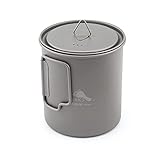
Overview: The TOAKS Titanium 750ml Pot is a minimalist’s dream, weighing a mere 3 ounces without its lid. Crafted from pure, uncoated titanium, this 750ml cookpot delivers exceptional strength-to-weight ratio for solo backpackers and ounce-counting adventurers. Its compact design nests perfectly with common trail items like 32oz Nalgene bottles or 110g fuel canisters, making it a space-saving powerhouse for ultralight expeditions where every cubic inch matters.
What Makes It Stand Out: This pot’s genius lies in its obsessive weight optimization without sacrificing functionality. The internal gradation marks in both milliliters and ounces eliminate guesswork when measuring water for dehydrated meals or morning coffee. Foldable handles tuck neatly against the pot’s profile, while the fitted lid locks in heat efficiently. The titanium construction ensures zero metallic taste and resists corrosion across countless trail miles and varied weather conditions.
Value for Money: At $26, this pot sits in the sweet spot for premium ultralight gear. Competitors like Snow Peak charge significantly more for similar titanium pots. The durability means it’ll likely outlast several cheaper aluminum alternatives, making the initial investment pay dividends over years of hard use. For serious backpackers counting every ounce, the weight savings justify every penny spent.
Strengths and Weaknesses: Pros: Exceptionally lightweight, durable titanium construction, smart nesting design, accurate measurement marks, corrosion-resistant, affordable for titanium category. Cons: Single-person capacity only, handles can get hot during use, lid fit could be tighter, no bail handle for campfire cooking, pure titanium transfers heat quickly which can scorch food if not careful.
Bottom Line: Perfect for ultralight backpackers prioritizing weight savings above all else. The TOAKS 750ml pot is a reliable, no-frills workhorse that excels at boiling water and simple cooking tasks. If you need campfire versatility, consider the bail handle version instead for open-flame cooking options.
2. TOAKS Titanium 750ml Pot with Bail Handle for Ultralight Camping, Backpacking Cookware and Mug

Overview: The TOAKS Titanium 750ml Pot with Bail Handle takes the brand’s popular ultralight pot and adds crucial campfire versatility. Weighing just 3.3 ounces without lid, this pure titanium pot maintains the same 750ml capacity while adding a detachable bail handle for suspended cooking over open flames. It’s designed for backpackers who want stove convenience without sacrificing traditional campfire capability.
What Makes It Stand Out: The detachable titanium bail handle is the star feature, allowing safe suspension over campfires while foldable side handles provide stove-top stability. This dual-handle system offers unmatched cooking flexibility in a sub-4-ounce package. The pot nests with TOAKS 375ml/450ml cups and small wood stoves, creating an integrated cook system. Internal gradation marks ensure precise measurements for dehydrated meals.
Value for Money: At $30, the $4 premium over the standard version buys significant versatility. For backpackers who occasionally cook over fires, this eliminates needing separate cookware. The bail handle’s removable design means you only carry the extra weight when needed. Compared to buying a dedicated hanging pot, this is exceptional value that consolidates your kit.
Strengths and Weaknesses: Pros: Detachable bail handle for campfire cooking, ultralight titanium build, versatile handle options, excellent nesting compatibility, corrosion-resistant, precise measurement marks. Cons: Slightly heavier than non-bail version, bail attachment point can collect grime, single-person capacity, premium price point, titanium’s rapid heat transfer requires careful cooking.
Bottom Line: Ideal for adventurers wanting maximum cooking flexibility without weight penalty. The bail handle version excels for those who split time between stove and campfire cooking. If you only use canister stoves, save $4 and get the standard model. For multi-method cooking, this is worth the upgrade.
3. TOAKS Titanium 1100ml Pot with Pan

Overview: The TOAKS Titanium 1100ml Pot with Pan expands the solo cook system into duo territory. This 5.6-ounce set includes a 37oz main pot and a 9oz frying pan that doubles as a lid, offering genuine two-piece cooking capability for partners or hungry solo hikers. The larger capacity handles group meals while maintaining titanium’s signature strength-to-weight advantage and corrosion resistance.
What Makes It Stand Out: This set’s nesting versatility is remarkable: it accommodates TOAKS wood stoves, 750ml pots, and 200g gas canisters inside, while nesting inside larger 1600ml systems. The pan-lid configuration provides actual cooking surface area, not just a cover. Gradation marks in liters aid precise cooking, and the included mesh sack protects gear. It’s a modular centerpiece for building out a complete cook kit.
Value for Money: At $48.95, you’re paying for genuine two-piece titanium functionality. While nearly double the 750ml pot’s price, you’re getting 47% more capacity plus a frying pan. For couples or basecamp cooking, this eliminates buying separate pieces. Solo ultralighters will find it heavy, but for those needing flexibility, it’s cheaper than piecing together individual components from premium brands.
Strengths and Weaknesses: Pros: Two-piece pot-and-pan system, excellent nesting modularity, generous 1100ml capacity, lightweight for its class, includes storage sack, versatile for couples. Cons: Overkill for solo ultralight hikers, higher price point, pan depth limits frying capability, made in China (quality control variables), takes more pack space than minimalist options.
Bottom Line: Perfect for hiking partners or those wanting genuine cooking versatility beyond boiling water. The 1100ml set offers excellent modularity for building a custom system. Strict soloists should stick with the 750ml version, but for two people or basecamp use, this is a smart, lightweight solution that grows with your needs.
4. Odoland Titanium Camping Cookware 420ML & 750ML Titanium Pot with Lid and Spork Lightweight Camping Pot for Backpacking Hiking Traveling and Picnic

Overview: The Odoland 4-in-1 Titanium Cookware Set delivers dual-pot versatility at an attractive price point. Combining 420ml and 750ml pots with lids, plus a titanium spork and mesh bag, this 9.62-ounce kit provides comprehensive cooking solutions for solo adventurers who want size options. The 99.9% pure titanium construction promises durability without metallic taste or rust risk for healthier outdoor cooking.
What Makes It Stand Out: Getting two genuine titanium pots under $44 is remarkable value. The smaller 420ml cup nests inside the 750ml pot, creating a compact package that doesn’t sacrifice capability. The included titanium spork eliminates needing separate utensils. This set handles everything from morning coffee to full meal prep, with foldable handles on both pieces for easy storage and even heating efficiency across both vessels.
Value for Money: At $43.99, this undercuts buying two separate TOAKS pots significantly. The 750ml pot alone typically costs $26, making the second pot, spork, and bag essentially $18 extra. For hikers wanting multiple size options, this is exceptional value. However, the weight penalty versus a single pot may deter ultralight purists who count every gram on long trails.
Strengths and Weaknesses: Pros: Two-pot versatility, includes titanium spork, excellent price for titanium set, 99.9% pure material, compact nesting, no metallic taste, multi-purpose design. Cons: Heavier than single-pot systems, Odoland brand less established than TOAKS, no bail handle option, handles may be less refined, limited long-term durability data available.
Bottom Line: A smart choice for budget-conscious hikers wanting flexibility without breaking the bank. The dual-size system covers more cooking scenarios than a single pot. If you prioritize absolute weight savings, go with a single TOAKS pot. For versatility and value, this Odoland set delivers impressive bang for your buck while keeping quality high.
5. Odoland Titanium Camping Cookware 750ML Titanium Pot with Camping Stove and Spork Portable Pot for Backpacking, Hiking, Traveling and Picnic

Overview: The Odoland 750ml Pot with Camping Stove combines essential cooking components into one integrated package. This 6.77-ounce set includes a 750ml titanium pot, lid, 1900w titanium stove, spork, and mesh bag—everything needed for hot meals except fuel. It’s designed for hikers wanting a complete, ready-to-go cooking system without researching separate components for alpine expeditions or weekend treks.
What Makes It Stand Out: Integrating a legitimate 1900w titanium stove with a quality pot for under $45 is impressive. The stove’s high power output promises rapid boil times, while the pot’s foldable handles and pure titanium construction match standalone competitors. This all-in-one approach eliminates compatibility guesswork and ensures everything nests perfectly in the included bag for true grab-and-go convenience across any adventure.
Value for Money: At $44.99, this set rivals buying a $26 TOAKS pot and $25 stove separately. You’re essentially getting the titanium stove for under $20, representing solid value for beginners or those wanting backup gear. The convenience factor is high, though experienced hikers may prefer selecting stove and pot separately for optimized performance and proven reliability on extended trips.
Strengths and Weaknesses: Pros: Complete cooking system included, high-power 1900w stove, pure titanium pot, includes spork and bag, excellent price for integrated kit, lightweight combined weight. Cons: Stove quality unproven long-term, less versatile than separate components, no bail handle, single size limits flexibility, unknown brand reliability versus established competitors like TOAKS.
Bottom Line: Perfect for newcomers to backpacking or as a backup/travel system. The integrated approach simplifies gear selection and offers genuine value. Serious ultralighters should invest in separate, specialized components. For weekend warriors or those wanting a hassle-free complete setup, this Odoland package delivers impressive convenience at a competitive price point.
6. THTYBROS Titanium 750ml Pot with Titanium Spork, Ourdoor Solo Camping Mug, Hanging Cup Spork Kits
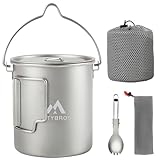
Overview: The THTYBROS Titanium 750ml Pot delivers a complete solo dining solution for outdoor enthusiasts who prioritize simplicity and safety. Crafted from food-grade pure titanium, this mug-style pot weighs 40% less than stainless steel alternatives while maintaining exceptional durability against dents, rust, and corrosion. The 25.4-ounce capacity handles everything from morning coffee to dehydrated meals, and the included titanium spork eliminates the need for separate utensil purchases. Its compact design features a hanging loop for easy suspension over campfires or stoves, making it equally suitable for backpacking and emergency preparedness.
What Makes It Stand Out: The integrated titanium spork sets this apart from competitors selling pot-only options. The certified high-temperature safety rating provides peace of mind for direct-flame cooking, while the hanging capability adds versatility for various camp kitchen setups. The non-toxic, odorless material ensures your meals taste exactly as intended without metallic contamination.
Value for Money: At $29.99, this kit represents solid mid-range value. Purchasing a titanium pot and spork separately typically costs $35-40, making this bundle economically attractive for solo backpackers. The durability ensures years of service, amortizing the initial investment across countless adventures.
Strengths and Weaknesses: Strengths include the complete utensil inclusion, proven material safety, multi-functional design, and competitive weight savings. Weaknesses involve the single-item limitation compared to two-piece sets, potential lid sealing questions, and the “Ourdoor” branding typo that suggests quality control oversights.
Bottom Line: Ideal for minimalist solo adventurers seeking a ready-to-go cooking solution without separate accessory purchases. The THTYBROS kit balances safety, weight, and convenience at a fair price point.
7. Boundless Voyage Titanium 2-Piece Pot and Pan Set 1000ml+500ml Folding Handle for Outdoor Camping Cooking Hiking Backpacking Portable Tableware Cookware

Overview: The Boundless Voyage Titanium 2-Piece Set redefines ultralight versatility for serious backpackers. This 99.8% titanium cook system includes a 1000ml pot and 500ml pan that together weigh a mere 180 grams—lighter than many single pots. The 5.5-inch diameter pot accommodates generous meals while the 6.3-ounce total weight disappears in your pack. Folding three-inch handles on both components enable compact nesting, and the included mesh bag keeps everything organized for efficient travel.
What Makes It Stand Out: The two-piece configuration offers unmatched cooking flexibility at an extraordinary weight-to-function ratio. You can simultaneously boil water and cook food, or use the pan as a lid, bowl, or plate. The fold-flat handle design saves precious pack space while maintaining structural rigidity during use. This system essentially provides three cooking vessels for the weight of one.
Value for Money: At $32.89, this set delivers exceptional value. Comparable single 750ml pots cost $25-35, making this two-piece system effectively cost-neutral while adding significant versatility. The ability to cook multi-component meals without extra weight justifies every penny for serious outdoor chefs.
Strengths and Weaknesses: Strengths include the ultralight two-piece design, smart nesting geometry, premium titanium purity, and true multi-meal capability. The 500ml pan’s shallow 1.3-inch depth may limit some cooking techniques, and handle stability under heavy loads could concern some users. The minimalist design lacks measurement markings.
Bottom Line: Perfect for backpackers who refuse to compromise between weight savings and cooking capability. This set transforms solo trips into gourmet adventures without adding bulk.
8. Bestargot Camping Titanium Pot, 750ml Outdoor Cup with Insulation Cup Carrier, Titanium Camping Drinkware, 132g Lightweight and Large Capacity (750 titanium)

Overview: The Bestargot Camping Titanium Pot positions itself as premium drinkware with its unique insulation carrier design. Engineered from TA1 titanium alloy, this 750ml pot weighs a claimed 132 grams (though product descriptions also cite 220g, creating confusion). The material promises zero metallic taste while resisting rust and corrosion. The included insulation sleeve helps maintain beverage temperatures, a rare feature in titanium cookware. Dishwasher-safe construction simplifies cleaning after adventures, and the pot works equally well for cooking simple meals or enjoying morning coffee.
What Makes It Stand Out: The insulation carrier differentiates this from standard titanium pots, making it ideal for coffee and tea enthusiasts who want temperature retention. The TA1 alloy represents top-tier material quality, while dishwasher compatibility adds convenience rare in ultralight gear. This pot bridges the gap between cookpot and premium travel mug.
Value for Money: Priced at $33.99, this falls in the mid-to-high range for 750ml pots. The insulation carrier adds value for beverage-focused users, but the weight discrepancy in specifications raises concerns about marketing accuracy. If the actual weight is closer to 132g, it’s competitive; at 220g, it’s heavy for its class. The feature set partially justifies the premium price.
Strengths and Weaknesses: Strengths include the innovative insulation sleeve, premium TA1 alloy, dishwasher safety, and dual-purpose drinkware design. Significant weaknesses involve the contradictory weight specifications, higher price point for a single pot, and limited capacity for true cooking needs beyond boiling water.
Bottom Line: Best suited for hikers prioritizing hot beverage enjoyment over cooking versatility. Verify actual weight before purchasing, but the insulation feature justifies the premium for coffee lovers.
9. Photway 750ml Camping Titanium Pot, Ultralight Backpacking Cookware & Campfire Mug for Hiking, Bushcraft & Outdoor Cooking
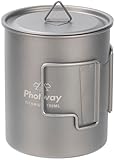
Overview: The Photway 750ml Camping Titanium Pot targets ultralight purists with its reinforced 5mm wall construction and sub-$25 price point. Weighing just 3.65 ounces (103 grams) without the lid, this pure titanium pot provides exceptional durability through its thicker walls that resist warping under direct flame. The 95mm diameter by 112mm height creates an efficient form factor for nesting a 450ml cup or fuel canister inside. True 750ml usable capacity with 770ml to the rim ensures accurate meal planning and reliable performance for solo adventurers.
What Makes It Stand Out: The 5mm wall thickness exceeds the standard 4mm used by competitors, delivering superior heat stability and dent resistance without significant weight penalty. The nesting design maximizes pack efficiency, while the coating-free construction guarantees pure taste. This pot handles everything from snow melting to coffee brewing with workhorse reliability that bushcraft enthusiasts demand.
Value for Money: At $23.99, this offers the best price-to-performance ratio in the titanium pot market. Comparable pots cost $30-50 while offering thinner walls and no nesting capability. The reinforced construction suggests longer lifespan, multiplying the value proposition across years of hard use.
Strengths and Weaknesses: Strengths include the reinforced wall thickness, true capacity rating, ultralight weight, efficient nesting, and unbeatable price. Weaknesses involve the lesser-known brand reputation, lack of included accessories like sporks or bags, and minimal aesthetic branding that some users prefer.
Bottom Line: The smart choice for budget-conscious backpackers unwilling to sacrifice quality. Photway delivers professional-grade specifications at an entry-level price, making it perfect for both beginners and seasoned ultralighters.
10. Valtcan 900ml Titanium Pot Backpacking Mug 30oz 0.95qt

Overview: The Valtcan 900ml Titanium Pot commands premium pricing through its innovative dual-handle system and expanded capacity. This 30-ounce pot features both bail handles and folding side handles that align perfectly, allowing safe use as a large mug or suspended cooking vessel. Weighing 144 grams for the pot and 29 grams for the lid, the system maintains reasonable ultralight credentials despite its larger size. The redesigned handle hinges prevent flopping, addressing a common complaint with folding handle designs that plague cheaper alternatives.
What Makes It Stand Out: The aligned bail and side handles create unmatched versatility—you can securely hang the pot over fire, grip it as a mug, or stabilize it on uneven surfaces. This engineering detail elevates it beyond standard pots. The 900ml capacity serves hikers with bigger appetites or those melting snow for water without adding significant bulk, bridging the gap between solo and two-person cooking.
Value for Money: At $49.99, this is the most expensive option reviewed. However, the 20% capacity increase over standard 750ml pots and the dual-handle innovation justify the premium for users needing these specific features. Comparable 900ml pots from premium brands cost $55-70, making Valtcan relatively competitive within its performance class.
Strengths and Weaknesses: Strengths include the versatile handle system, larger capacity, stable folding mechanism, included mesh bag, and premium branding. Weaknesses center on the highest price point, increased weight compared to minimalist 750ml options, and the bail handle’s potential to snag in packed bags if not properly secured.
Bottom Line: Worth the investment for adventurers who frequently cook over open fires or need extra capacity. The handle engineering solves real problems, making it a premium tool for serious backcountry travelers.
Why Titanium Reigns Supreme for Ultralight Backpacking Cookware
Titanium’s dominance in the ultralight cookware space isn’t marketing hype—it’s material science at its finest. The element’s unique atomic structure provides a strength-to-weight ratio that aluminum can’t match and corrosion resistance that puts stainless steel to shame. For backpackers counting every gram, titanium pots deliver the holy grail: durability that survives being crushed in an overloaded pack, weight that rivals plastic alternatives, and performance that doesn’t degrade after seasons of hard use.
The Science Behind Titanium’s Strength-to-Weight Ratio
At the molecular level, titanium forms a protective oxide layer the moment it’s exposed to air. This isn’t a coating that can chip or wear off; it’s an integral part of the material that self-heals when scratched. For backpackers, this means your pot won’t develop rust spots in humid conditions or after cooking acidic meals. The Grade 1 and Grade 2 commercially pure titanium used in premium cookware offers tensile strength around 240 MPa while weighing just 4.5 grams per cubic centimeter—roughly 45% lighter than steel with comparable strength.
How Titanium Compares to Aluminum and Stainless Steel
Aluminum may be lighter and cheaper, but it deforms easily under pressure and reacts with acidic foods, potentially leaching metallic tastes into your meals. Stainless steel boasts incredible durability but adds significant weight that ultralight enthusiasts find unacceptable. Titanium occupies the perfect middle ground: it won’t dent when you accidentally sit on your pack, won’t corrode when left wet overnight, and won’t add unnecessary ounces to your base weight. The thermal conductivity is lower than aluminum, which creates heating challenges we’ll address later, but for boiling water and simple cooking tasks, it’s the ideal backcountry companion.
Key Features That Define Premium Titanium Pots in 2026
The titanium pot market has matured dramatically, with 2026 models incorporating lessons from millions of trail miles. Modern designs prioritize not just weight savings but real-world usability that prevents the common frustrations of early ultralight cookware.
Material Grade Matters: Understanding CP Titanium Alloys
Commercially Pure (CP) titanium comes in four grades, with Grade 1 being the most pure and Grade 4 the strongest. Most quality cookware uses Grade 1 or Grade 2, which offer the best balance of formability and strength. Some manufacturers experiment with titanium alloys containing small amounts of aluminum and vanadium, but these can compromise biocompatibility and increase cost without meaningful performance gains for cooking applications. Always verify that your pot uses food-grade CP titanium—lower grades may contain impurities that affect taste or safety.
Wall Thickness Engineering: Finding the Sweet Spot
Here’s where engineering gets fascinating. Wall thickness in titanium pots typically ranges from 0.3mm to 0.5mm. Go thinner and you sacrifice structural integrity; the pot will flex and potentially develop stress fractures at the handle attachments. Go thicker and you’re adding unnecessary weight without proportional durability gains. The sweet spot for 2026’s best designs sits at 0.4mm, providing rigidity that withstands pack compression while keeping weight minimal. Some manufacturers vary thickness across the pot body—slightly thicker at the base for stability, thinner at the walls for weight savings.
Capacity Considerations: Right-Sizing Your Cookpot
Choosing the right volume isn’t just about how much you eat—it’s about your entire cooking system, fuel efficiency, and pack organization. The wrong size pot forces you to boil water multiple times for a single meal or carry dead space that could nest other gear.
Solo Trekkers vs. Group Cooking: Volume Strategies
For solo hikers, 550ml to 750ml pots represent the versatile sweet spot. This range handles single dehydrated meals, morning coffee, and can double as a mug or bowl. Pair hikers typically opt for 900ml to 1.3L pots, allowing efficient meal prep for two without resorting to multiple boiling cycles. Group configurations often involve carrying two medium pots rather than one giant vessel—better weight distribution and the flexibility to cook different items simultaneously. The key insight: slightly oversized is better than undersized, as you can always cook less in a larger pot, but you can’t cook more in a small one.
The Multi-Use Philosophy: From Boiling to Meal Prep
The most weight-conscious backpackers in 2026 embrace pots that serve multiple functions. A 650ml pot with a tight-fitting lid becomes your cooking vessel, eating bowl, coffee mug, and water-measuring cup. Some designs feature internal volume markings that eliminate the need for a separate measuring cup. The lid might flip over to become a small frying pan for trout or pancakes. When evaluating capacity, consider these secondary uses—can your pot nest your stove and fuel canister? Can it store your coffee filter or spork? This integration mindset is what separates ultralight from merely lightweight.
Lid Design: More Than Just a Cover
Modern titanium pot lids have evolved from simple discs into multifunctional tools that significantly enhance cooking efficiency and versatility. The best designs address heat retention, pouring precision, and even serve as secondary cookware.
Integrated Strainers and Pour Spouts
Look for lids with precisely engineered pour spouts that allow draining pasta water without losing noodles—a feature that seems minor until you’re battling wind and trying to pour hot water safely. Some 2026 designs incorporate micro-perforations around the edge, creating a built-in strainer for coffee or dehydrated meals. The lid’s rim should create a tight seal without being vacuum-tight; you need steam escape to prevent dangerous pressure buildup but want to minimize heat loss. Titanium lids typically weigh 20-30 grams, so every design feature must justify its existence.
Handle Systems: Balancing Comfort and Packability
Handle design represents one of the most contentious debates in titanium pot engineering. The fundamental challenge: comfortable, secure grips add weight and bulk, while minimalist designs sacrifice safety and usability.
Folding vs. Removable vs. Fixed Handles
Folding handles that tuck against the pot sides dominate the 2026 market, but not all folding mechanisms are equal. Premium designs use stainless steel hardware at pivot points because titanium-on-titanium hinges tend to gall and seize over time. The handle’s folded position should create a smooth profile that won’t snag gear or puncture pack linings.
Removable handles offer the ultimate in packability and allow you to use the pot as a mug without interference, but introduce the risk of losing a critical component miles from civilization. Fixed handles, while bombproof, create packing challenges and can transfer heat dangerously to your hands. The emerging consensus: folding handles with silicone grip covers that slide into place, providing insulation without permanent bulk.
Heat Distribution Challenges and Solutions
Titanium’s low thermal conductivity—about 20 times lower than aluminum—creates the notorious “hotspot” problem. The center of the pot bottom can reach scorching temperatures while the edges remain relatively cool, leading to burnt food and inefficient fuel usage.
The Burn Pattern Problem: Why Titanium Hotspots Occur
When your stove’s concentrated flame hits the titanium base, heat doesn’t spread laterally as it would in aluminum. Instead, it creates a intense hot zone directly above the burner. This phenomenon intensifies with high-output canister stoves, which is why many experienced titanium pot users pair them with lower, wider flame patterns or use heat diffusers. Some 2026 pot designs incorporate textured or patterned bases that increase surface area and promote slightly better heat distribution, though this remains titanium’s primary limitation.
Savvy backpackers mitigate this by stirring constantly, using pot cosies to retain edge heat, or accepting that titanium excels at boiling water but struggles with delicate simmering. The real-world solution: embrace titanium for what it does best—rapid water heating—and adjust cooking techniques accordingly.
Nesting and Storage Efficiency for Ultralight Packs
The empty space inside your pot represents valuable real estate in your pack. Premium titanium pot systems in 2026 are designed with nesting as a primary engineering constraint, not an afterthought.
The Russian Doll Approach: Pot Systems That Play Nice
The most sophisticated designs create complete cooking systems that nest together seamlessly. Your 900ml pot should accommodate a compact canister stove, a small fuel canister (inverted for safety), a lighter, and a folded spork—all secured by the inverted lid. Some systems include a second, smaller pot that nests inside the larger one, providing flexibility without sacrificing space. The pot’s dimensions should match common water bottle sizes, allowing it to slide into side pockets when not in use. Pay attention to the pot’s interior finish: smooth walls allow easy sliding of nested items, while textured interiors create friction that makes packing frustrating.
Surface Treatments and Non-Stick Innovations
Pure titanium’s slightly sticky surface can be challenging for cooking eggs or simmering sauces. While traditional non-stick coatings are too heavy and fragile for ultralight applications, 2026 brings new approaches to this age-old problem.
Some manufacturers now offer titanium pots with ceramic-titanium composite surfaces—microscopic ceramic particles bonded to the titanium substrate without adding significant weight. These provide modest non-stick properties while maintaining titanium’s durability and heat resistance. Others embrace the “seasoning” approach, encouraging users to build up a polymerized oil layer similar to cast iron care. Be wary of any pot claiming true non-stick performance; the reality is that titanium requires cooking technique adjustments and acceptance of some sticking with certain foods.
Price vs. Performance: Making Smart Investment Decisions
Titanium pots range from $30 budget options to $200+ premium systems. The price delta often reflects manufacturing precision, material quality, and design sophistication rather than just brand cachet.
Budget titanium pots frequently use thinner walls (0.3mm) that flex and develop hot spots more readily. They may use lower-grade titanium or have rougher welds at handle attachments. Premium pots justify their cost through consistent wall thickness, perfectly fitted lids, and handle systems that remain secure after years of use. The middle ground—$60-$90 pots—often provides the best value, offering 90% of premium performance at a more accessible price point. Consider this a decade-long investment; a quality titanium pot easily lasts 10+ years of heavy use, making the per-trip cost negligible.
Care and Maintenance: Protecting Your Titanium Investment
Titanium’s reputation for indestructibility is mostly deserved, but improper care can still compromise performance and longevity. The good news? Maintenance is far simpler than with other cookware materials.
Cleaning Techniques That Preserve Integrity
Avoid abrasive scrubbers that can scratch the surface and create places for bacteria to hide. Instead, use the “boil and swirl” method: fill the pot with water, bring to a boil, and use a soft sponge or snow to wipe away residue. For stubborn spots, a paste of baking soda and water works wonders without scratching. Never use chlorine bleach or harsh detergents—they won’t damage the titanium itself but can affect any silicone components on handles or lid grips.
After cleaning, ensure the pot is completely dry before storing, especially if nesting other gear inside. Trapped moisture can lead to corrosion of non-titanium components and create unpleasant odors. Many ultralight backpackers store their pot loosely packed or with a small desiccant packet during long-term storage.
Long-Term Durability: What to Expect After 500 Miles
After a season of hard use, expect some discoloration—rainbow-like oxidation patterns are normal and harmless. Handle pivots may loosen slightly; a gentle squeeze with pliers usually restores tension. The pot bottom might develop slight bowing if consistently overheated, which can affect nesting but rarely impacts cooking performance. The most common failure point isn’t the titanium body but the handle attachment hardware. Inspect these regularly and carry a spare screw or bolt if your design uses removable hardware.
Environmental and Ethical Considerations in 2026
Sustainability-minded backpackers increasingly scrutinize the environmental impact of their gear. Titanium mining and processing are energy-intensive, but the material’s infinite recyclability and decades-long lifespan offset this initial footprint.
Look for manufacturers using recycled titanium content—some 2026 models boast 50%+ recycled material without performance penalties. The minimalist design philosophy itself is eco-friendly: one pot that lasts decades replaces multiple cheaper alternatives that end up in landfills. Consider repairability; pots with replaceable handle hardware and simple designs are easier to fix than welded, integrated systems. Your purchase decision becomes a vote for sustainable manufacturing practices.
Common Buyer Mistakes and How to Avoid Them
Even experienced backpackers fall into predictable traps when selecting titanium cookware. Recognizing these pitfalls saves money, weight, and trail frustration.
First, don’t buy based solely on weight. A pot that’s 10 grams lighter but has a poorly fitting lid or uncomfortable handles will feel heavier in practice due to usability issues. Second, avoid oversized pots “for future group trips” if 90% of your hikes are solo—you’re carrying dead weight. Third, don’t ignore handle ergonomics; test how they feel with cold, gloved hands. Fourth, resist the urge to buy the cheapest option; budget titanium often has inconsistent wall thickness that creates severe hot spots. Finally, don’t forget to consider your stove type—narrow, intense flames pair poorly with titanium’s thermal properties.
Frequently Asked Questions
What’s the ideal titanium pot size for a solo thru-hiker?
For most solo thru-hikers, a 650ml to 750ml pot hits the sweet spot. It handles single dehydrated meals efficiently, boils enough water for coffee and breakfast simultaneously, and nests a small canister stove plus fuel. If you primarily cold-soak and only boil water occasionally, a 550ml mug-style pot saves significant weight. Consider your typical meal types and whether you prefer eating directly from the pot when making your decision.
Why does my titanium pot develop hot spots and burn food?
Titanium’s low thermal conductivity means heat doesn’t spread evenly across the base. The area directly above your stove’s flame can reach extremely high temperatures while the pot’s edges stay cooler. This is inherent to titanium and not a defect. Mitigate it by using a wider, lower flame pattern, stirring frequently, or accepting that titanium excels at boiling water but struggles with delicate simmering. Some hikers use a lightweight heat diffuser, though this adds complexity.
Can I use metal utensils in my titanium pot without damaging it?
Yes, titanium is remarkably scratch-resistant, and metal utensils won’t damage the structural integrity. However, aggressive scraping can create micro-grooves where bacteria can accumulate and may affect any surface treatments. Wooden or silicone utensils are gentler and quieter in the backcountry. If you use metal, avoid sharp-edged implements and excessive force that could potentially dent thinner-walled pots.
How do I prevent my titanium pot from turning my food gray or metallic-tasting?
Pure titanium is non-reactive and shouldn’t impart flavors or colors to food. If you’re experiencing this, you’re likely using a titanium alloy pot or cooking highly acidic foods for extended periods. Stick to commercially pure (Grade 1 or 2) titanium and limit long-simmering tomato-based meals. The discoloration is usually harmless titanium oxide, but it indicates you’re pushing the material beyond its ideal use case. For acidic foods, consider shorter cook times or dedicated aluminum pots.
Is it worth paying extra for pots with titanium lids instead of aluminum?
For most backpackers, an aluminum lid offers better value. The weight difference is minimal (typically 5-10 grams), and aluminum’s superior heat conductivity actually helps when using the lid as a secondary cooking surface or to speed boiling. Titanium lids shine in extreme cold where aluminum becomes brittle, or for purists seeking maximum corrosion resistance. If the price difference exceeds $15, the aluminum lid is the smarter choice unless you regularly venture into sub-zero environments.
What’s the best way to pack a titanium pot to prevent noise and damage?
Wrap your stove, fuel canister, or other nested items in a bandana or small microfiber towel before placing them inside the pot. This prevents rattling and protects the pot’s interior from scratches. Store the pot in a side pocket or the top of your pack rather than deep inside where pressure can deform thinner walls. Some hikers use a rubber band or hair tie around the pot and lid to prevent separation. Never pack your pot with the handle extended.
How long should a quality titanium pot last with regular use?
Decades. Titanium doesn’t fatigue like aluminum or rust like steel. A well-made pot can easily last 20+ years of regular backpacking use. The limiting factors are handle hardware (which may need occasional tightening) and the pot’s physical deformation from severe impacts. Many hikers are still using titanium pots purchased in the early 2000s. The initial investment amortizes to pennies per trip over the pot’s lifetime, making it one of gear’s best long-term values.
Can titanium pots be used on open fires or will that damage them?
Titanium can withstand open-fire temperatures without structural damage—it has a melting point of 1,668°C (3,034°F). However, direct flame contact will rapidly oxidize the surface, creating colorful but permanent rainbow discoloration and potentially warping thinner walls. Wood smoke can leave stubborn residues. While functional, open-fire use defeats titanium’s weight advantage since you must carry cleaning supplies. For occasional use, elevate the pot on rocks or a grill to minimize direct flame contact.
Why do some titanium pots have textured bottoms?
Textured or patterned bases attempt to improve heat distribution by increasing surface area and creating turbulence in the flame’s hot gases. The effectiveness is modest—don’t expect aluminum-level heat spreading—but it can reduce the most severe hot spots. These textures also provide slight grip on stove supports and hide scratches better than smooth finishes. The weight penalty is negligible, making it a worthwhile feature if available, though not a dealbreaker if absent.
Are there any health concerns with cooking in titanium cookware?
No. Commercially pure titanium is biocompatible and used for surgical implants, making it one of the safest cookware materials available. It doesn’t leach chemicals, react with foods, or release nanoparticles. The only consideration is ensuring you’re buying genuine CP titanium from reputable manufacturers, not unknown alloys. Avoid pots with non-titanium coatings claiming to be “titanium-enhanced” unless the manufacturer provides specific safety data. For the health-conscious backpacker, pure titanium is arguably superior to aluminum or coated alternatives.