Imagine achieving restaurant-quality steak with edge-to-edge perfection, delicate salmon that flakes at the slightest touch, or vegetables that retain vibrant color and nutrients—all while running errands or relaxing on your couch. This isn’t culinary fantasy; it’s the reality of modern app-controlled sous vide cooking. What was once the exclusive domain of Michelin-starred kitchens has evolved into a connected cooking revolution, putting unprecedented precision and convenience literally at your fingertips.
The marriage of sous vide immersion circulators and smartphone technology has fundamentally transformed how we approach meal preparation. No longer are you tethered to your kitchen, anxiously checking temperatures or setting kitchen timers. Today’s smart sous vide devices offer remote monitoring, precise temperature control from anywhere, guided recipes with push notifications, and even integration with your broader smart home ecosystem. But with connectivity comes complexity—and not all app-controlled sous vide machines are created equal. Understanding the nuances of this technology will ensure you invest in a device that truly enhances your cooking rather than complicating it.
Top 10 Sous Vide Machines
Detailed Product Reviews
1. Anova Culinary Sous Vide Precision Cooker 3.0 (WiFi), 1100 Watts

Overview: The Anova Precision Cooker 3.0 represents the third generation of the device that revolutionized home sous vide cooking. This 1100-watt powerhouse builds on a decade of refinement, offering professional-grade temperature control in a user-friendly package designed for serious home chefs who demand consistent, restaurant-quality results.
What Makes It Stand Out: Dual-band WiFi connectivity eliminates the connection issues that plagued earlier models, while the two-line touchscreen display provides at-a-glance monitoring of time and temperature without reaching for your phone. The adjustable clamp fits virtually any pot, and the removable stainless steel skirt cleans effortlessly in the dishwasher—addressing real pain points from previous generations.
Value for Money: At $148.99, this sits at the premium end of consumer sous vide cookers. The price is justified by Anova’s proven reliability, robust app ecosystem, and thoughtful hardware improvements. While the optional $9.99/year subscription for premium content feels unnecessary, the free app functionality remains comprehensive. Compared to restaurant sous vide equipment costing thousands, this delivers 90% of the performance at a fraction of the price.
Strengths and Weaknesses: Strengths include rock-solid temperature stability, excellent connectivity, premium build quality, and a vast recipe database. Weaknesses are the subscription upsell, premium pricing, and competition offering similar specs for less. The brand’s longevity means spare parts and support should remain available.
Bottom Line: For committed home cooks seeking the most reliable, feature-complete sous vide experience, the Anova 3.0 is worth the investment. The connectivity upgrades and cleaning improvements make it the best mainstream option available.
2. INKBIRD WIFI Sous Vide Cooker ISV-100W, 1000 Watts Sous Vide Machine Immersion Circulator with 14 Preset Recipes on APP & Calibration Function, Thermal Immersion, Fast-Heating with Timer

Overview: INKBIRD’s ISV-100W positions itself as a tech-forward alternative to pricier brands, packing professional features like calibration and WiFi control into a sub-$100 package. This 1000-watt circulator targets precision-focused cooks who want advanced functionality without the premium price tag.
What Makes It Stand Out: The calibration function is a standout feature rarely found in consumer models, allowing you to fine-tune temperature accuracy over time. Operating at under 40dB, it’s remarkably quiet—perfect for overnight cooks. The InkbirdPro app includes 14 preset recipes and offers full remote control, while the wide 77-210°F range handles everything from delicate fish to tough cuts.
Value for Money: At $95.99, this undercuts the Anova 3.0 by over $50 while matching or exceeding its core specs. The included recipe book and calibration capability add tangible value. While it only supports 2.4GHz WiFi (a limitation for some mesh networks), the feature set rivals devices costing twice as much.
Strengths and Weaknesses: Strengths include the calibration feature, quiet operation, comprehensive app, and excellent price-to-performance ratio. Weaknesses are limited to 2.4GHz WiFi, less brand recognition than Anova, and a potentially shorter track record for durability. The interface isn’t quite as polished as premium competitors.
Bottom Line: The INKBIRD ISV-100W is the smart choice for detail-oriented cooks who value precision and quiet operation. It delivers 95% of the premium experience at a mid-range price, making it the best value proposition for serious home sous vide enthusiasts.
3. Sous Vide Machines, Sous Vide Cooker, 1000 Watts Immersion Circulators with Recipe, Accurate Temperature and Time Control
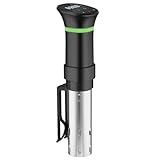
Overview: This no-name sous vide cooker strips away connectivity and brand premium to deliver pure functionality at an entry-level price. The 1000-watt circulator focuses on core performance—accurate temperature control and reliable water circulation—making it an accessible gateway into sous vide cooking for budget-conscious beginners.
What Makes It Stand Out: The color-coded LED ring provides intuitive visual feedback: red for heating, green at target temperature, and blue when finished. This simple interface eliminates app dependency and smartphone fumbling. The device relies on physical controls and basic programming, appealing to cooks who prefer tactile operation over digital complexity.
Value for Money: At $49.77, this is impulse-buy territory—less than a dinner for two. You’re getting legitimate sous vide capability (1000W, 77-198.5°F range, 99-hour timer) without connectivity features. For those who don’t need remote monitoring, the value is undeniable. It heats water and holds temperature precisely, which is fundamentally all sous vide requires.
Strengths and Weaknesses: Strengths include the unbeatable price, simple operation, visual status indicator, and adequate power. Weaknesses are the generic brand (questionable long-term support), lack of app control, and basic build quality. The absence of WiFi/Bluetooth means no remote monitoring or recipe integration.
Bottom Line: This is the perfect “try before you buy premium” option. If you’re curious about sous vide but can’t justify $100+, this delivers authentic results without financial risk. Serious cooks will outgrow it quickly, but it’s an honest entry point that actually works.
4. Anova Culinary Sous Vide Precision Cooker Mini, 850 Watts, Black and Orange, App Enabled, 2024 Model

Overview: Anova’s Mini distills the brand’s sous vide expertise into its most accessible form yet. This 2024 model sacrifices power and connectivity to hit an unprecedented price point while retaining the core Anova app experience via Bluetooth. It’s designed for casual users who want brand reliability without investment.
What Makes It Stand Out: The $19.99 price from a trusted brand is revolutionary—costing less than most kitchen gadgets while delivering genuine sous vide capability. The three-step operation (attach, set, cook) removes all complexity. Bluetooth connectivity still allows app control within range, providing recipe guidance without WiFi dependency.
Value for Money: This redefines value. You’re getting Anova’s recipe ecosystem, build quality assurance, and customer support for the price of a pizza. The 850-watt power is modest but sufficient for most home applications. The trade-off is slower heating times and no remote monitoring. Compared to generic alternatives, the brand backing alone justifies the minimal cost.
Strengths and Weaknesses: Strengths include the incredible price, brand reputation, simple operation, and Bluetooth app control. Weaknesses are the lower wattage, lack of WiFi, basic features, and plastic construction. Heating larger water baths will test its limits.
Bottom Line: The Mini is ideal for apartment dwellers, occasional steak cooks, or anyone wanting to experiment with minimal commitment. It won’t replace a full-featured circulator for enthusiasts, but it makes sous vide accessible to literally everyone. A no-brainer for the curious.
5. Anova Culinary Sous Vide Precision Cooker Nano 2.0

Overview: The Nano 2.0 strikes a careful balance between Anova’s premium features and compact convenience. At 12.8 inches, it’s designed for urban kitchens where storage is precious, yet it maintains the ±0.1°C temperature accuracy that defines the Anova experience. This is the travel-friendly workhorse for serious cooks with space constraints.
What Makes It Stand Out: Its diminutive size belies serious capability—the fixed clamp design is actually more stable than adjustable versions, and the super-durable plastic construction withstands kitchen abuse while remaining lightweight. The temperature range (32-197°F) covers everything from yogurt to tough meats, and the app integration provides the full Anova recipe database.
Value for Money: At $64.99, the Nano 2.0 occupies the sweet spot between the barebones Mini and the premium 3.0. You’re paying for portability without sacrificing core performance. The build quality and accuracy match pricier competitors, making it a smart compromise for small households. The optional subscription remains the same value proposition as other Anova models.
Strengths and Weaknesses: Strengths include the compact size, precise temperature control, brand reliability, and stable clamp design. Weaknesses are the lower wattage (unspecified but less than 1100W), plastic construction (though durable), and fixed clamp limiting pot compatibility compared to adjustable versions.
Bottom Line: For cooks prioritizing space savings without compromising quality, the Nano 2.0 is unmatched. It delivers the full Anova experience in a drawer-friendly package, making it the best choice for small kitchens, RVs, or as a secondary unit for side dishes.
6. InkSous WIFI 2.4G Sous Vide Cooker 1000W Immersion Circulator with APP 14 Recipes,Alarm,Calibration & Timer, 3D Water Fast Heating Ultra-Quiet Sous Vide Machine

Overview: The InkSous WIFI 2.4G Sous Vide Cooker is a 1000W immersion circulator designed for home chefs seeking precision cooking with smart connectivity. This device attaches to any pot, heats water quickly, and maintains exact temperatures while operating at under 40 decibels. With WiFi integration and a dedicated app, it brings professional sous vide techniques to the home kitchen with minimal learning curve.
What Makes It Stand Out: The InkSous distinguishes itself with robust WiFi integration via the INKBIRD app, allowing remote monitoring and control from anywhere. It supports up to 100 shared users, making it unique for collaborative cooking. The built-in 14 recipes and ±1°F precision with automatic alarms for water level and temperature provide professional-level oversight. Its 3D water circulation design ensures even heating throughout the cooking vessel, preventing hot spots.
Value for Money: At $95.99, the InkSous sits in the competitive mid-range segment. It delivers premium features like WiFi connectivity, app-based recipes, and safety alarms typically found in more expensive models. While established brands command higher prices for similar specs, this offers comparable functionality for budget-conscious enthusiasts who prioritize smart features over brand recognition. The included calibration feature adds long-term value.
Strengths and Weaknesses: Strengths include quiet operation, precise temperature control, comprehensive app functionality, safety alarms, and rapid heating. The ability to share app access among family members is genuinely useful. Weaknesses include 2.4GHz-only WiFi limitation (no 5GHz support), potential app stability issues, and a less proven brand track record compared to industry leaders. The temperature range, while adequate, isn’t as broad as some competitors.
Bottom Line: The InkSous is an excellent choice for tech-savvy home cooks wanting app-controlled sous vide cooking without breaking the bank. Its feature set punches above its price point, though users should be comfortable with a newer brand and 2.4GHz-only connectivity.
7. KitchenBoss WiFi Sous Vide Cooker: Ultra-quiet Sous Vide Machine Built-in TFT Color Display Recipes, 1100W Sous Vide Immersion Circulator Accurate Temp Waterproof Magnetic Knob APP Control, Silver

Overview: The KitchenBoss WiFi Sous Vide Cooker is a premium 1100W immersion circulator featuring a TFT color display and award-winning design. This silver-finished device promises ultra-quiet operation with advanced motor technology and precise temperature control for restaurant-quality results. The Red Dot Design Award recognition signals thoughtful engineering and aesthetic appeal for the modern kitchen.
What Makes It Stand Out: This Red Dot Design Award winner features a vibrant TFT display with 25 chef-crafted recipes plus 4 custom programs. Its brushless DC motor operates at a 135-degree angle with an oval sleeve design for remarkably quiet performance. The thermostatic control chip delivers 0.1°F precision, and the KitchenBoss app provides regular firmware updates, ensuring the cooker evolves with technology and improves over time.
Value for Money: Priced at $159.99, the KitchenBoss commands a premium over entry-level models. The award-winning design, superior quiet operation, TFT display, and extensive recipe library justify the cost for serious enthusiasts. However, budget-conscious buyers might find comparable WiFi functionality in cheaper alternatives, making this ideal for those prioritizing design aesthetics and noise reduction over absolute value.
Strengths and Weaknesses: Strengths include exceptional quietness, beautiful TFT display, comprehensive recipe collection, precise temperature control, and regular app updates. The Red Dot design ensures kitchen appeal. Weaknesses include a higher price point, potentially limited temperature range (104°F-194°F) compared to some competitors, and a less established brand ecosystem than Anova. The magnetic knob, while innovative, may be less intuitive than traditional controls for some users.
Bottom Line: The KitchenBoss is perfect for design-conscious cooks willing to pay extra for whisper-quiet operation and a superior display. It’s a premium alternative to mainstream brands, excelling in aesthetics and acoustic performance while delivering professional results.
8. Anova Culinary Sous Vide Precision Cooker Pro, 1200 Watts, Black and Silver

Overview: The Anova Precision Cooker Pro is the professional-grade flagship of the Anova lineup, delivering 1200W of power in a ruggedized stainless steel package. Engineered for demanding kitchens, it can heat up to 100L of water and operates continuously for 10,000+ hours, making it the workhorse choice for serious cooks who need commercial-level performance at home.
What Makes It Stand Out: Built for durability, the Pro model is drop-tested and IPX-7 rated, surviving submersion and drops that would destroy lesser units. Its immense power handles commercial volumes, while the stainless steel construction ensures longevity. The Anova app’s extensive recipe library and community support are unmatched in the industry, providing endless culinary inspiration and proven techniques from professional chefs.
Value for Money: At $183.80, this is a significant investment aimed at serious enthusiasts and semi-professional users. The build quality, power output, and durability justify the price for those needing commercial-grade performance. For casual home cooks, the standard Anova models offer better value, but the Pro’s longevity makes it cost-effective for heavy users who would burn through cheaper units over time.
Strengths and Weaknesses: Strengths include exceptional durability, massive heating capacity, IPX-7 waterproof rating, stainless steel construction, powerful 1200W element, and industry-leading app ecosystem. It’s overbuilt for reliability. Weaknesses include premium pricing beyond casual users’ needs, larger physical size requiring more storage, and potential overkill for typical home cooking volumes. The minimalist interface prioritizes app control over onboard features, which may not suit everyone.
Bottom Line: The Anova Pro is the ultimate choice for serious home chefs, small restaurants, or cooking enthusiasts who demand bulletproof reliability and commercial capacity. Its premium price delivers professional-grade durability that cheaper alternatives simply cannot match.
9. INKBIRD WIFI Sous Vide Cooker ISV-100W and Vacuum Sealer Machine | 1000W Sous-Vide Cooker Immersion Circulator with 14 Preset Recipes on APP and Thermal Immersion, Fast-Heating with Timer

Overview: This INKBIRD bundle combines the ISV-100W WiFi sous vide cooker with a vacuum sealer machine, providing a complete sous vide starter kit. The 1000W immersion circulator pairs with a versatile vacuum sealer, bags, and hose, offering everything needed to begin precision cooking immediately without additional purchases or compatibility concerns.
What Makes It Stand Out: The comprehensive bundle is the primary differentiator, eliminating the need to purchase a separate vacuum sealer. The cooker features 77-210°F temperature range with 0.1°C accuracy and 99-hour timer. The vacuum sealer offers five modes (Dry, Moist, Vac Seal, Jar Sealing, Seal) with -80 kPa suction, making it useful beyond just sous vide for general food preservation and storage.
Value for Money: At $150.99 for both devices, this bundle presents exceptional value. Comparable sous vide cookers alone cost $100-120, while quality vacuum sealers run $60-100. Purchasing separately would easily exceed $160. For beginners needing both tools, this is arguably the best value proposition in the market, though those already owning a sealer should buy the cooker individually to avoid redundancy.
Strengths and Weaknesses: Strengths include complete package convenience, versatile vacuum sealer with multiple modes, precise temperature control, WiFi connectivity, and cost savings over separate purchases. The sealer’s continuous operation capability is impressive. Weaknesses include 2.4GHz-only WiFi limitation, potential quality compromises in bundled accessories, and INKBIRD’s less extensive recipe ecosystem compared to Anova. The vacuum sealer may lack the durability of standalone premium units.
Bottom Line: This INKBIRD bundle is the smartest purchase for sous vide newcomers needing both cooker and vacuum sealer. The combined value is unbeatable, delivering two capable devices for the price of one premium cooker alone. Perfect for budget-conscious beginners seeking a complete solution.
10. Anova Culinary Sous Vide Precision Cooker 2.0 (WiFi), 1000 Watts
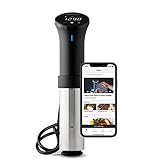
Overview: The Anova Precision Cooker 2.0 represents the refined evolution of the sous vide device that popularized home precision cooking. This 1000W WiFi-enabled circulator combines Anova’s trusted performance with modern connectivity and a streamlined design, making restaurant-quality results accessible to home cooks of all skill levels.
What Makes It Stand Out: Anova’s industry-leading app provides thousands of free recipes created by award-winning chefs and home cooks, offering unparalleled culinary guidance. The 2.0 version features improved water resistance, faster heating, and more precise temperature holding than its predecessor. The adjustable clamp fits any container, while the San Francisco-designed aesthetic looks professional in any kitchen setting.
Value for Money: At $108.99, this hits the sweet spot between premium features and affordability. It undercuts the KitchenBoss and INKBIRD Pro while offering Anova’s superior app ecosystem and brand reliability. Compared to the Anova Pro at $183.80, it delivers 80% of the performance for 60% of the cost, making it the smart choice for most home cooks. The value lies in the proven track record and community support.
Strengths and Weaknesses: Strengths include exceptional app with vast recipe library, trusted brand reliability, water-resistant design, precise temperature control, and strong community support. The flow rate of 8 liters/min ensures efficient circulation. Weaknesses include less power than the Pro model, plastic construction versus stainless steel, and potential WiFi connectivity issues reported by some users. It lacks the commercial durability of its Pro sibling and the quiet operation of premium competitors.
Bottom Line: The Anova 2.0 is the best mainstream choice for home sous vide enthusiasts. It balances performance, price, and ecosystem support perfectly, making it ideal for anyone wanting reliable, app-connected precision cooking without professional-grade overkill.
Understanding Sous Vide Technology and App Integration
The Science Behind Precision Cooking
Sous vide, French for “under vacuum,” relies on one non-negotiable principle: maintaining exact water bath temperatures to achieve specific culinary results. Traditional methods demand constant vigilance, but modern devices use PID (Proportional-Integral-Derivative) controllers that continuously calculate and adjust heating elements to maintain stability within 0.1°F. When you introduce app connectivity, you’re essentially adding a remote command center that communicates with this PID brain via Wi-Fi or Bluetooth protocols. The app doesn’t just display temperature; it sends target values, monitors progress, and receives real-time data about water level, current temp, and estimated completion times. Understanding this architecture helps you appreciate why connectivity quality directly impacts cooking reliability.
How App Control Transforms the Sous Vide Experience
Before smartphone integration, sous vide cooking meant manually setting your device, periodically checking progress, and hoping your timing worked out. App control eliminates these friction points by creating a two-way conversation between your phone and the circulator. You can start preheating your water bath while still at the grocery store, receive an alert when your steak has reached medium-rare perfection, and adjust cooking times on the fly if you’re running late. Advanced apps even factor in food thickness and starting temperature, automatically calculating precise cooking windows. This transformation shifts sous vide from a passive waiting game to an actively managed, flexible cooking process that adapts to your schedule.
Key Benefits of Wi-Fi and Bluetooth Enabled Sous Vide Devices
Connected sous vide machines deliver advantages that extend far beyond simple remote operation. Wi-Fi connectivity offers unlimited range, meaning you can monitor a 24-hour brisket cook from your office or while traveling. Bluetooth provides reliable local control without internet dependency, ideal for apartments with spotty Wi-Fi. Both technologies enable detailed cook logging, allowing you to replicate perfect results by saving time and temperature profiles for specific recipes. Push notifications prevent overcooking disasters, while integration with voice assistants lets you check status hands-free when your fingers are covered in marinade. Perhaps most valuable is the collaborative cooking experience—multiple household members can monitor progress, making sous vide cooking more social and less isolating.
Essential Features to Evaluate Before Buying
Temperature Range and Stability
The hallmark of any quality sous vide device is its temperature precision, but app-controlled units add another layer of complexity. Look for machines that maintain ±0.1°F stability across their entire range, typically 32°F to 197°F. Wider ranges enable everything from tempering chocolate to infusing spirits. Critically, verify that the app displays real-time temperature graphs, not just setpoints. Some devices show smoothed averages that mask momentary fluctuations, which can be problematic for delicate proteins. The best apps alert you immediately if temperature deviates beyond acceptable thresholds, giving you time to intervene before dinner is compromised.
Connectivity Options: Wi-Fi vs Bluetooth
Your choice between Wi-Fi and Bluetooth—or hybrid models offering both—should reflect your cooking habits and home network. Bluetooth connections typically max out at 30-100 feet, making them suitable for small homes but unreliable if you want to monitor cooks from upstairs or outside. Wi-Fi offers true anywhere-access but introduces potential security vulnerabilities and depends on your router’s reliability. Dual-band Wi-Fi support (2.4GHz and 5GHz) provides flexibility, as many smart home devices only operate on 2.4GHz networks. Consider whether the app requires cloud accounts or works locally—cloud dependency means your cooking data lives on company servers, while local control keeps your information private but may limit remote access features.
Power and Heating Capacity
App control is meaningless if your device can’t heat efficiently. Power ratings typically range from 800W to 1,500W, directly impacting how quickly water reaches target temperature and how well the unit maintains stability when cooking large quantities. A 1,100W circulator can heat 5 gallons of water to 140°F in about 30 minutes, while weaker models might take over an hour. The app should display real-time heating progress and estimated time-to-temperature, allowing you to plan accordingly. Overpowered units for small containers risk overshooting temperatures, so look for apps that offer “soft start” modes or power adjustment settings for smaller baths.
Water Circulation Technology
Consistent water movement ensures every portion of your food experiences identical temperatures. Premium devices use brushless DC motors that operate whisper-quiet while moving 8-12 liters per minute. The app should allow you to adjust circulation speed—helpful when cooking delicate items like fish that can be damaged by aggressive currents. Some advanced units detect water level via pressure sensors and alert you through the app if evaporation requires topping off during extended cooks. This integration prevents heater burnout and maintains food safety, especially crucial for overnight cooking sessions.
App Functionality: What to Look For
Recipe Libraries and Guided Cooking
The difference between a mediocre app and an exceptional one often lies in its culinary content. Quality apps offer hundreds of tested recipes with built-in time and temperature settings that upload directly to your device. Look for step-by-step photo guides, video tutorials for vacuum sealing techniques, and the ability to filter recipes by protein type, thickness, and desired doneness. The best platforms allow community recipe sharing and chef-curated content, effectively giving you a masterclass in sous vide technique. Check whether recipes include finishing methods—searing instructions are crucial for translating sous vide results to plate-ready meals.
Remote Monitoring and Notifications
Effective notification systems distinguish useful apps from gimmicky ones. Beyond simple “cooking complete” alerts, sophisticated apps notify you when water reaches temperature, if water level drops critically, when power outages occur, and even if the device detects anomalous temperature fluctuations. Customizable notification settings let you prioritize alerts—perhaps you want push notifications for completion but only email alerts for errors. Some apps integrate with IFTTT (If This Then That), enabling creative workflows like automatically turning on smart kitchen lights when your cook finishes or logging completed recipes to a Google Sheet for meal tracking.
Customization and Advanced Settings
Serious cooks need more than preset buttons. The best apps offer manual mode with precise temperature and time controls, the ability to create and save custom cooking profiles, and multi-stage cooking programs that automatically adjust temperature mid-cook. Look for features like delayed start timers (with appropriate food safety warnings), calibration offsets to account for altitude or thermometer inaccuracies, and the option to export cook data for analysis. Advanced users appreciate PID tuning options that let you optimize performance for specific container sizes, though this feature remains rare in consumer-grade apps.
Design Considerations for Your Kitchen
Immersion Circulators vs Water Ovens
App-controlled sous vide devices come in two fundamental designs. Immersion circulators are wand-shaped units that clamp to any heat-safe container, offering flexibility and easy storage. Their apps typically focus on portability and quick setup. Water ovens, or countertop sous vide baths, integrate heating and circulation into a single appliance with insulated walls for energy efficiency. Their apps often include features for multiple-zone cooking and integrated vacuum sealers. Your choice impacts app functionality—circulator apps excel at on-the-go control, while water oven apps may offer more sophisticated programming for complex, multi-component meals.
Size, Storage, and Portability
Consider where you’ll store your device when not in use. Compact circulators under 12 inches fit in kitchen drawers, but their smaller size may mean less powerful heating elements and simpler app interfaces. Larger units with higher wattage offer faster heating and more stable temperatures, especially for big batches, but require dedicated cabinet space. If you plan to travel with your sous vide device—perhaps for vacation rentals or family gatherings—check whether the app works offline or requires re-authentication on new networks. Some apps allow device sharing, letting you temporarily grant control to hosts while keeping your account secure.
Safety Features and Certifications
App connectivity introduces new safety considerations beyond electrical standards. Look for devices with UL or ETL certification, waterproof IPX7 ratings, and automatic shutoff when water levels drop too low. The app should require password protection or biometric login to prevent unauthorized control—imagine a prankster cranking your delicate fish cook to 200°F from across the house. Over-the-air firmware updates are crucial for security patches, but verify whether updates can occur mid-cook or if the device blocks updates during operation. NSF certification indicates commercial-grade sanitation standards, important if you plan to cook for others or start a small catering business.
Price Ranges and Value Proposition
App-controlled sous vide devices span from budget-friendly options under $100 to premium models exceeding $400. The price differential rarely reflects cooking performance alone—it often correlates with app sophistication, build quality, and ecosystem integration. Budget models typically offer basic Bluetooth control with limited recipe libraries, while mid-range options ($150-$250) provide dual-band Wi-Fi, robust notification systems, and regular app updates. Premium devices justify their cost through superior app design, cloud recipe syncing across devices, voice assistant integration, and exceptional customer support including video chat troubleshooting. Consider the total cost of ownership: some apps require subscription fees for premium recipes or cloud storage, while others are completely free.
Setting Up Your First App-Controlled Sous Vide Cook
Step-by-Step App Pairing Process
The initial setup experience often predicts your long-term satisfaction. Most devices follow a standard protocol: download the manufacturer’s app, create an account, enable location services (required for Bluetooth pairing on iOS and Android), and follow in-app prompts to connect your device. Quality apps provide clear visual indicators during pairing—flashing LEDs on the device synchronized with on-screen animations. The process should complete within 2-3 minutes. If pairing fails, top-tier apps offer diagnostic tools that test your phone’s Bluetooth stack or Wi-Fi signal strength, providing specific guidance rather than generic error messages. Keep your device’s firmware updated before first use; outdated firmware often causes connectivity issues that frustrate new users.
Troubleshooting Common Connectivity Issues
Even the best app-controlled devices encounter connection hiccups. Wi-Fi devices may struggle with enterprise-grade security common in apartment complexes or mesh networks that aggressively manage device connections. If your device repeatedly drops connection, try creating a dedicated 2.4GHz guest network—most sous vide devices handle these more reliably than dual-band networks with band steering. Bluetooth devices can experience interference from microwaves, baby monitors, or even LED lighting. The app should include a signal strength meter to help you position your device optimally. For persistent issues, some manufacturers offer “offline mode” where the device stores your last used settings, allowing manual operation while you resolve connectivity problems.
Maintenance and Longevity Tips
App-controlled electronics require different maintenance than manual devices. Never submerge the entire unit—even waterproof models can compromise their seals over time. Descale your circulator monthly if you have hard water; many apps send maintenance reminders based on usage hours. The heating coil and impeller need periodic cleaning to prevent mineral buildup that affects performance. Some premium apps track usage patterns and predict maintenance needs, alerting you when efficiency drops suggest cleaning is overdue. Store your device in a dry environment; internal moisture can corrode Wi-Fi antennas or Bluetooth modules. If you won’t use the device for months, charge it to 50% (for models with internal batteries for settings retention) and update the firmware before storing.
Integrating Sous Vide into Your Cooking Routine
The true value of app-controlled sous vide emerges when it becomes seamless in your daily life. Use the app’s scheduling features to start preheating before you leave work, ensuring the water bath is ready when you walk in the door. Batch-cook proteins on weekends—app timers and notifications let you manage multiple bags simultaneously without constant attention. Many apps integrate with meal planning services, automatically generating shopping lists based on your scheduled cooks. For entertaining, use the app to stage cooks—start vegetables first, then lower temperature and add proteins, all orchestrated remotely so you can mingle with guests. The most sophisticated apps even suggest wine pairings and side dishes based on your selected recipe, turning a simple circulator into a comprehensive meal planning tool.
Frequently Asked Questions
What happens if my Wi-Fi disconnects during a long cook?
Most quality devices continue operating on their last programmed settings indefinitely, so your food remains safe and cooking proceeds normally. The app will show the device as offline but will reconnect automatically once Wi-Fi restores, updating you on current status. Some apps store cook data locally on the device and sync it when reconnected, ensuring you don’t lose progress tracking. However, you won’t receive notifications during the outage, so consider this if you’re relying on remote alerts.
Are app-controlled sous vide machines more difficult to set up than manual ones?
The initial setup takes 5-10 minutes longer due to app installation and pairing, but this investment pays dividends in convenience. Modern apps have streamlined onboarding with video tutorials and QR code scanning that auto-populates device information. Once configured, subsequent cooks are faster than manual operation since you can start preheating remotely and use saved cooking profiles. The learning curve is primarily around app navigation, not sous vide technique itself.
Can I operate the device manually if my phone dies or I lose the app?
All reputable app-controlled devices include basic manual controls on the unit itself—typically a temperature dial and small display. You lose remote monitoring and advanced features, but core functionality remains. Some devices even store your most-used settings locally, accessible via simple button combinations. Keep the physical manual accessible for manual operation codes; manufacturers often print quick-start guides directly on the device for this scenario.
How much mobile data do sous vide cooking apps consume?
Surprisingly little—typically 5-20MB per hour of cooking. The apps primarily transmit small data packets: temperature readings, timer updates, and occasional status checks. Recipe downloads and photo uploads consume more data, but these occur on Wi-Fi by default. If you’re concerned about data usage, enable “low bandwidth mode” in app settings, which reduces update frequency from every few seconds to every 30 seconds. Monitoring a 4-hour cook uses less data than scrolling social media for five minutes.
Is there a security risk with Wi-Fi enabled kitchen appliances?
Any connected device presents potential vulnerabilities, but reputable manufacturers implement bank-level encryption (AES-256) for device communication and require secure password authentication. The real risk lies in weak home network security. Use unique, complex passwords for both your Wi-Fi and sous vide app accounts, enable two-factor authentication if available, and regularly update firmware. Avoid devices that require port forwarding or have known unpatched vulnerabilities—check security forums before purchasing. For maximum security, some routers allow creating isolated IoT networks that prevent kitchen devices from accessing computers or smart TVs.
What’s the practical difference between Bluetooth and Wi-Fi range?
Bluetooth offers reliable control within a single room or adjacent spaces, typically 30-50 feet through walls. It’s perfect for small apartments or when your phone stays in the kitchen. Wi-Fi provides true remote access from anywhere with internet—check your cook from the office, gym, or grocery store. However, Wi-Fi introduces latency; Bluetooth responds instantly while Wi-Fi commands may take 2-5 seconds to register. Hybrid devices offering both give you the best of both worlds: Bluetooth for quick adjustments when home, Wi-Fi for remote monitoring when away.
Do I need a specific smartphone operating system or version?
Most sous vide apps require iOS 12+ or Android 8+ (API level 26). Older phones may lack the Bluetooth Low Energy (BLE) stack necessary for modern device pairing. Check the manufacturer’s website for specific requirements before purchasing. Some premium apps offer web-based dashboards accessible from any browser, reducing smartphone dependency. If you’re a tech enthusiast, investigate whether the device publishes an API—some models allow custom scripting and integration with home automation systems like Home Assistant, bypassing the official app entirely.
Can multiple family members control the same sous vide device?
Yes, most apps support multi-user access through family sharing features or by logging into the same account on multiple devices. Advanced implementations allow permission levels—admin users can change settings and calibrate temperature, while standard users can only start/stop cooks and monitor progress. This prevents children from accidentally altering critical parameters. Some apps even show which user initiated a cook, helpful for households with multiple cooks. Check whether the device supports simultaneous connections; cheaper models may drop one phone’s connection when another connects.
What happens if the manufacturer discontinues the app?
This legitimate concern has plagued early smart kitchen adopters. Reputable brands commit to supporting apps for at least 5-7 years post-launch and often open-source their protocols if they discontinue support. Before buying, research the company’s track record—have they abandoned older products? Do they provide firmware updates? Some devices work with third-party apps like SousVide Supreme or Anova’s app (for compatible protocols), providing fallback options. Physical manual controls ensure your device remains functional even without app support, though you’ll lose advanced features. Consider this risk when choosing between established brands and Kickstarter startups.
Are app-controlled models worth the price premium over manual units?
The value depends entirely on your cooking style. If you primarily cook 1-2 hour meals while home, a manual unit saves money with minimal inconvenience. However, if you batch cook, work irregular hours, travel frequently, or love the convenience of remote monitoring, the premium typically pays for itself within months through reduced food waste and time savings. The recipe guidance alone helps novices achieve expert results faster, potentially saving money on ruined ingredients. Calculate the cost per use—if you sous vide weekly, a $200 smart device costs less than $0.40 per cook over a year, far less than one ruined ribeye.