The first pull of a Yanagiba through pristine fish is something sushi enthusiasts never forget. That whisper-quiet slice, the mirror-like surface of the cut, the way the blade seems to part flesh rather than tear it—this is the moment you understand why Japanese chefs revere this knife as an extension of their own hand. For those passionate about sashimi, investing in a proper Yanagiba isn’t about vanity; it’s about respecting the ingredient and unlocking flavors that rough cuts simply can’t reveal.
But here’s the challenge: the world of Yanagiba knives is shrouded in mystery, tradition, and marketing smoke. Walk into any knife shop or scroll through online marketplaces and you’ll encounter bewildering terms like “honyaki,” “kasumi,” “shirogami #3,” and “D-shaped handles.” This guide cuts through that fog. Whether you’re a home cook ready to elevate your sushi nights or an aspiring itamae building your kit, we’ll explore what truly matters when selecting a Yanagiba that matches your skill, budget, and dedication to the craft.
Top 10 Yanagiba Knives for Sashimi
Detailed Product Reviews
1. KYOKU Samurai Series - 10.5" Yanagiba Knife Japanese Sushi Sashimi Knives - Superior Japanese Steel - Wenge Wood Handle - with Case
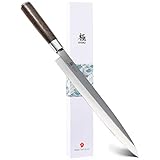
Overview: The KYOKU Samurai Series 10.5" Yanagiba knife delivers traditional Japanese slicing performance for sushi and sashimi preparation. Manufactured with a cobalt-added steel core cryogenically treated to HRC 56-58 hardness, this single-bevel blade balances authentic design with accessible pricing. The wenge wood handle and included protective case make it an attractive package for serious home chefs.
What Makes It Stand Out: This knife distinguishes itself through cobalt-enhanced steel composition and comprehensive protection. The cryogenic treatment enhances stability, while the included sheath and carrying case solve storage challenges rarely addressed at this price. The wenge wood handle offers authentic aesthetics and natural moisture resistance, appealing to purists seeking traditional materials without premium cost.
Value for Money: At $49.99, the KYOKU occupies a sweet spot between budget and premium options. The cobalt steel construction and protective accessories deliver features typically found in $75+ knives. While HRC 56-58 is moderate compared to high-end alternatives, the overall package represents excellent value for home cooks entering single-bevel territory.
Strengths and Weaknesses: Strengths:
- Cobalt-added steel enhances edge retention and corrosion resistance
- Exceptional balance reduces fatigue during extended slicing
- Includes both sheath and protective case
- Authentic wenge wood handle construction
Weaknesses:
- Softer steel (HRC 56-58) than premium alternatives
- Single-bevel design requires specific sharpening skills
- Mirror polish shows scratches readily
Bottom Line: The KYOKU Samurai Series offers accessible entry into professional-grade sashimi knives, ideal for dedicated home chefs ready to master single-bevel technique.
2. SHAN ZU 10 Inch Japanese Sushi Knife, 9 Layers 10Cr15MoV High Carbon Steel Sashimi Knife, Sharp Cutting Yanagiba Knives with Red Sandalwood Handle for Sushi Making, Slicing & Fish Knives

Overview: The SHAN ZU 10-inch Yanagiba represents premium Japanese knife craftsmanship through its complex 9-layer forged construction. Built around a 10Cr15MoV steel core hardened to 62 HRC, this knife targets both professional chefs and serious home cooks. The red sandalwood octagonal handle and luxury packaging elevate it beyond mere utility into gift-worthy territory.
What Makes It Stand Out: The meticulous 9-layer forging creates distinctive blade aesthetics while enhancing structural integrity and corrosion resistance. The octagonal red sandalwood handle provides superior grip and authentic Japanese styling that improves with age. Premium gift box packaging transforms this tool into an impressive present for weddings, birthdays, or chef graduations.
Value for Money: At $79.99, the SHAN ZU competes directly with entry-level offerings from Shun and Yoshihiro. The 62 HRC hardness and multi-layer construction deliver performance justifying the investment. While pricier than budget options, the build quality and presentation make it worthwhile for serious enthusiasts seeking professional-grade features.
Strengths and Weaknesses: Strengths:
- 9-layer forged construction enhances durability
- High 62 HRC hardness ensures excellent edge retention
- Ergonomic octagonal handle reduces hand fatigue
- Premium gift packaging perfect for special occasions
Weaknesses:
- Matte finish may not suit traditionalists
- Higher price point deters casual users
- Requires careful maintenance to prevent corrosion
Bottom Line: The SHAN ZU Yanagiba excels as a gift-worthy, high-performance knife for passionate sushi chefs seeking professional quality.
3. HOSHANHO Sushi Knife Japanese Sashimi Knives 10 Inch, Hand Forged High Carbon Steel Yanagiba Knife, Kitchen Chef Knives for Cutting Sushi & Sashimi, Fish Filleting

Overview: The HOSHANHO 10-inch Yanagiba knife offers an accessible entry point into quality sushi preparation tools. Featuring a 10Cr15CoMoV super steel core protected by eight layers of composite steel, this knife bridges Eastern and Western designs with its double-bevel edge. The rosewood octagonal handle with copper accents provides traditional aesthetics at a budget-friendly price point.
What Makes It Stand Out: The double-bevel configuration makes this knife immediately accessible to cooks unfamiliar with single-bevel technique, while copper wire details in the rosewood handle add distinctive visual flair. The sub-$40 price combined with multi-layer steel creates an exceptional value proposition that democratizes quality sushi knife ownership without sacrificing performance.
Value for Money: At $37.61, this is the most budget-conscious option that maintains critical performance features. The HRC 60±2 hardness rating and multi-layer construction rival knives costing twice as much. For home cooks exploring sushi preparation, this represents minimal financial risk with maximum utility and room for skill development.
Strengths and Weaknesses: Strengths:
- Double-bevel design suits Western cooking styles
- Attractive rosewood handle with copper detailing
- Multi-layer steel construction at budget price
- Versatile for sashimi, soft cheeses, and tofu
Weaknesses:
- Brand lacks established reputation of competitors
- HRC rating tolerance indicates less consistent heat treatment
- Handle finish may vary due to natural materials
Bottom Line: The HOSHANHO offers remarkable value for beginners seeking quality without commitment, making it an ideal starter sushi knife.
4. KEEMMAKE Sushi Knife Japanese Sashimi Knives 10 Inch, 440C Stainless Steel Yanagiba Knife, Kitchen Chef Knives with G10 Rosewood Handle for Cutting Sushi & Sashimi, Fish Filleting, Gift Box Included

Overview: The KEEMMAKE KIKU series Yanagiba innovates on traditional Japanese knives by utilizing 440C stainless steel with a proprietary non-stick black coating. This 10-inch blade targets home chefs prioritizing low-maintenance performance. The G10-reinforced rosewood handle with carbon fiber bolster adds modern durability to a classic form factor, creating a distinctive fusion offering.
What Makes It Stand Out: The hydrophobic non-stick coating addresses common frustrations with food adhesion, simplifying cleaning and maintenance. The carbon fiber G10 bolster provides modern reinforcement rarely seen in traditional Japanese knives. A 100% service guarantee demonstrates manufacturer confidence, adding peace of mind for buyers prioritizing convenience and reliability over pure tradition.
Value for Money: At $47.99, the KEEMMAKE competes aggressively with mid-tier options. The 440C steel offers excellent corrosion resistance and ease of sharpening, though with slightly reduced edge retention versus premium carbon steels. The non-stick coating and robust guarantee add tangible value for practical-minded consumers seeking hassle-free ownership.
Strengths and Weaknesses: Strengths:
- Non-stick coating reduces food adhesion
- 440C steel provides excellent corrosion resistance
- G10 bolster prevents handle cracking
- Strong warranty and customer service
Weaknesses:
- 440C steel holds edge less than high-carbon alternatives
- Coating longevity unproven with heavy use
- Black coating obscures blade aesthetics
Bottom Line: The KEEMMAKE suits practical home cooks prioritizing easy maintenance and reliable performance over ultimate sharpness retention.
5. HOSHANHO Sushi Knife 10 Inch, Japanese High Carbon Steel Sashimi Knife, Ultra Sharp Yanagiba Knives, Kitchen Knives for Fish Filleting with Olive Wood Handle
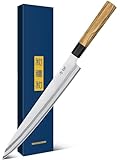
Overview: The HOSHANHO olive wood Yanagiba represents the brand’s premium offering, featuring 10Cr15CoMoV high-carbon steel hardened to 62 HRC with a mirror-polished finish. This 10-inch knife emphasizes versatility beyond traditional sashimi applications, positioning itself as a multi-purpose solution. The high-density olive wood handle and exceptional sharpness target serious enthusiasts wanting distinctive styling.
What Makes It Stand Out: The olive wood handle provides unique grain patterns and natural antimicrobial properties, distinguishing it aesthetically and functionally. The 12° mirror-polished edge and 62 HRC hardness place it in elite performance company. Marketing as a “universal kitchen tool” suggests broader utility than typical single-purpose Yanagiba knives, appealing to minimalist cooks seeking versatility.
Value for Money: At $70.99, this knife challenges established mid-tier brands. The high hardness rating and premium handle justify the price, though multi-purpose positioning may oversell its versatility. For buyers specifically seeking a Yanagiba, features align well with competitors in the $80-100 range, making it a strategic purchase for performance-focused users.
Strengths and Weaknesses: Strengths:
- High 62 HRC hardness ensures superior edge retention
- Olive wood handle offers unique aesthetics and comfort
- Mirror polish reduces friction and enhances corrosion resistance
- Versatile enough for various kitchen tasks
Weaknesses:
- Premium price within HOSHANHO lineup
- Multi-purpose claims may compromise specialized performance
- Olive wood requires more maintenance than synthetic alternatives
Bottom Line: The HOSHANHO olive wood Yanagiba serves serious home chefs and professionals wanting premium performance with distinctive styling.
6. Rondauno Sashimi Knife Yanagiba Sushi Knife 10 inch Japanese High Carbon Stainless Steel for Precision Fish Slicing and Filleting with Ergonomic Wooden Handle

Overview: The Rondauno Yanagiba presents an accessible entry point into traditional Japanese fish knives. This 10-inch single-bevel blade targets home cooks and aspiring sushi enthusiasts seeking authentic slicing performance without the premium price tag typically associated with Japanese cutlery.
What Makes It Stand Out: This knife delivers core Yanagiba functionality—single-bevel geometry and high-carbon stainless steel—at a remarkably low price. The full-tang octagonal red sandalwood handle provides genuine Japanese aesthetics and balance typically reserved for more expensive models. Its 10-inch length offers ample blade real estate for slicing larger fish fillets in single, continuous strokes.
Value for Money: At $19.95, this represents exceptional affordability in a category where quality knives often start at $100+. While compromises in steel grade and craftsmanship are inevitable, the knife provides authentic single-bevel experience for beginners to practice technique before investing in premium blades. It’s a low-risk introduction to Japanese knife maintenance and sharpening.
Strengths and Weaknesses: Strengths include the authentic single-bevel design, attractive wooden handle, impressive 10-inch length, and unbeatable price. The full tang construction adds durability uncommon at this price. Weaknesses involve unspecified steel hardness (no HRC rating), potential quality control inconsistencies, edge retention concerns, and a handle that may require sealing to prevent moisture damage. The blade may arrive adequately sharp but won’t match premium knife sharpness.
Bottom Line: Ideal for sushi novices and budget-conscious cooks wanting to experiment with traditional Japanese knife styles. Don’t expect master-level performance, but it’s a serviceable learning tool that teaches proper single-bevel technique. Serious chefs should view this as a practice knife before upgrading to established Japanese brands.
7. Sunnecko 10.5 inch Sashimi Knife,High Carbon Stainless Steel Japanese Sushi Knives,Yanagiba Knife with Knife Sheath and Gift Box

Overview: The Sunnecko Yanagiba positions itself as a serious mid-range contender for home sushi chefs demanding professional specifications. This 10.5-inch knife combines modern manufacturing with traditional Japanese design elements, offering quantifiable performance metrics that justify its moderate price point while including valuable accessories.
What Makes It Stand Out: The specified 58 HRC hardness provides objective quality assurance missing from budget options. The handmade Pakkawood handle offers superior moisture resistance and durability over traditional wood, while the extensive 10.5-inch blade length handles substantial fish portions. The inclusion of a protective PVC sheath and elegant gift packaging adds immediate value, making it presentation-ready for gifting.
Value for Money: Priced at $42.99, this knife delivers measurable specifications and accessories typically found in $75+ offerings. The HRC rating ensures predictable edge retention, while the sheath protects your investment. Compared to bare-bones budget knives, the added cost translates to verified steel quality and corrosion-resistant handle materials that extend service life.
Strengths and Weaknesses: Strengths include the documented 58 HRC hardness, corrosion-resistant Pakkawood handle, ultra-thin 11-12 degree edge bevel, comprehensive packaging, and practical sheath. The 10.5-inch length provides excellent versatility. Weaknesses involve questionable “100% handcrafted” claims at this price point, potential asymmetry issues in mass production, and the PVC sheath feeling less premium than wood alternatives. Edge may require immediate professional sharpening.
Bottom Line: An excellent step-up choice for committed home chefs ready to move beyond entry-level tools. The specifications justify the investment, delivering reliable performance for regular sushi preparation. While not a true artisan blade, it offers professional-grade features without the premium price, making it a smart value purchase.
8. Kai Wasabi Black Yanagiba Knife, 8 1/4-Inch
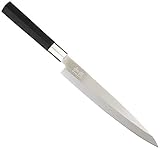
Overview: From Seki City, Japan’s legendary blade-making capital, the Kai Wasabi Yanagiba brings authentic heritage to home kitchens. This 8.25-inch knife represents centuries of Japanese sword-making tradition translated into modern cutlery, offering brand credibility and proven craftsmanship that generic brands cannot match.
What Makes It Stand Out: The Kai name carries weight among knife enthusiasts, ensuring consistent quality control and reliable performance. Its traditional D-shaped polypropylene handle provides hygienic, low-maintenance grip unlike wood that requires care. The knife’s design emphasizes technique—using the blade’s weight to pull through fish rather than forcing cuts—teaching proper Yanagiba methodology.
Value for Money: At $48.01, you’re purchasing heritage and quality assurance rather than just steel. While shorter than competitors and using synthetic handle materials, the Kai brand offers resale value and warranty support absent from no-name alternatives. This represents the most affordable entry into authentic Japanese brand ownership.
Strengths and Weaknesses: Strengths include the prestigious Seki City manufacturing, reputable brand backing, easy-to-maintain handle, corrosion-resistant high-carbon steel, and lightweight design. The pull-cutting technique preserves fish texture beautifully. Weaknesses involve the shorter 8.25-inch blade limiting slice length, less-romantic synthetic handle, unspecified HRC hardness, and polypropylene feeling less premium than wood. The blade may be too light for some preferences.
Bottom Line: Perfect for purists prioritizing Japanese brand authenticity and provenance over size or handle aesthetics. It’s a trustworthy workhorse that teaches correct technique while delivering reliable performance. Choose this for the Kai legacy and quality assurance, accepting compromises in blade length and handle material.
9. Dalstrong Yanagiba Knife - 9.5 inch - Phantom Series - Sushi Knife - Japanese High-Carbon AUS8 Steel - Pakkawood Handle - Japanese Knife - Sheath Included
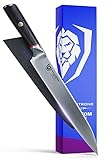
Overview: The Dalstrong Phantom Series Yanagiba represents the premium tier of home sushi knives, engineered for serious enthusiasts unwilling to compromise. This 9.5-inch blade combines modern metallurgical advances with traditional Japanese geometry, backed by an industry-leading warranty and luxury presentation that justifies its elevated price point.
What Makes It Stand Out: Nitrogen cooling enhances steel structure for superior hardness and corrosion resistance, while the hand-polished spine and ergonomic bolster demonstrate attention to detail. The distinctive mosaic pin and engraved blade add aesthetic refinement. Dalstrong’s lifetime warranty and money-back guarantee provide unmatched consumer protection, while the hollow-ground design reduces drag beyond standard Yanagiba geometry.
Value for Money: At $129, this delivers features found in $200+ traditional knives. The AUS-8 steel at 58+ HRC, nitrogen treatment, and premium Pakkawood handle represent genuine quality upgrades. When factoring the lifetime warranty, risk-free trial, and professional packaging, the investment protects itself. It’s priced for enthusiasts who prioritize performance and peace of mind over budget constraints.
Strengths and Weaknesses: Strengths include nitrogen-cooled AUS-8 steel, hollow-ground blade geometry, refined ergonomic handle with bolster, lifetime warranty, exquisite packaging, and 13-15° professional edge angle. The full tang construction ensures durability. Weaknesses involve premium pricing exceeding casual hobbyist budgets, potentially over-engineered for occasional use, and Dalstrong’s modern branding lacking traditional Japanese heritage. The knife may intimidate beginners.
Bottom Line: For dedicated sushi aficionados seeking premium performance without artisan prices, this is an exceptional choice. The warranty eliminates risk while the specifications deliver professional results. It’s overkill for beginners but perfect for serious home chefs ready to invest in their craft. The Phantom Series lives up to its name with ghostly sharp performance.
10. JapanBargain 1551, Non-Stick Yanagiba Sashimi Knife Japanese High Carbon Stainless Steel Sushi Chef Knife Made in Japan, 200mm

Overview: The JapanBargain 1551 introduces genuine Japanese manufacturing at an accessible price, distinguished by an innovative non-stick design rarely seen in traditional Yanagiba knives. This 8-inch (200mm) blade combines authentic Seki-region craftsmanship with practical problem-solving for home sushi chefs frustrated by food adhesion.
What Makes It Stand Out: Strategically placed air holes along the blade create a functional non-stick surface—a novel approach for Yanagiba knives. The “Made in Japan” designation ensures authentic craftsmanship and quality control absent from outsourced production. Molybdenum-enriched stainless steel provides enhanced rust resistance, while the ergonomic wooden handle maintains traditional aesthetics.
Value for Money: At $25.99, securing genuine Japanese manufacture represents remarkable value. Traditional Japanese Yanagiba knives typically command $80+ minimum. While the hole design may polarize purists, the innovation addresses real kitchen frustrations without premium pricing. This offers authentic provenance with practical modern enhancement.
Strengths and Weaknesses: Strengths include authentic Japanese production, innovative anti-stick hole design, molybdenum steel corrosion resistance, comfortable wooden handle, and excellent 8-inch maneuverability. The knife balances tradition with practicality. Weaknesses involve potential structural weakness from blade holes, difficulty cleaning food particles from holes, purist backlash against non-traditional design, and unspecified HRC hardness. The aesthetic may not appeal to traditionalists.
Bottom Line: An excellent choice for cooks wanting genuine Japanese craftsmanship on a budget. The non-stick innovation genuinely helps, though it sacrifices some traditional purity. Perfect for home chefs prioritizing function and authentic origin over conventional aesthetics. It’s a practical, well-priced tool that honors Japanese heritage while solving modern kitchen challenges.
Understanding the Yanagiba: The Sushi Chef’s Soul Tool
The Yanagiba—literally “willow leaf blade”—exists for one purpose: creating perfect sashimi slices. Unlike western chef’s knives or even other Japanese blades, its entire design philosophy centers on the pull-cut motion known as hirazukuri. This technique requires a single, confident draw from heel to tip, allowing the knife’s weight and geometry to do the work. The result? Cuts so smooth they preserve cell structure, preventing that dreaded mushy texture and allowing the fish’s true flavor to shine.
What separates a Yanagiba from pretenders is its uncompromising specialization. The blade is long, narrow, and features a single-bevel edge—meaning it’s ground on only one side, creating a concave back (urasuki) that reduces friction and prevents sticking. This asymmetry demands respect and technique, but rewards you with unparalleled precision. Think of it as the difference between a race car and a sports sedan: one is built for a specific track, the other for versatility.
The Anatomy of a Perfect Yanagiba Blade
Before diving into materials and brands, you must understand the physical architecture that defines excellence. A Yanagiba’s performance lives in its details—the subtle curves, angles, and weight distribution that separate masterful tools from mediocre ones.
Single-Bevel Mastery: Why Asymmetry Matters
That single-bevel edge isn’t a quirk; it’s physics. When you slice with a Yanagiba, the angled side (the omote) does the cutting while the concave back (urasuki) creates an air pocket, releasing the fish effortlessly. This design eliminates the crushing action of double-bevel knives, which push apart fibers from both sides. The asymmetry also means left-handed users need dedicated left-handed blades—using a right-handed knife southpaw will produce angled, uneven cuts and drive you mad.
Blade Length: Finding Your Ideal Cutting Range
Yanagiba blades typically span 210mm to 360mm, with 270mm and 300mm being the sweet spots for most users. Longer blades let you slice a piece of sashimi in one continuous pull without sawing motions, which is crucial for texture. For home enthusiasts working with smaller fish like mackerel or snapper, 240mm might suffice. But if you’re breaking down tuna or kingfish, that extra length becomes non-negotiable. Remember: the blade should be at least as long as the widest piece of fish you plan to slice.
Steel Types Decoded: From Carbon to Powder Steel
The steel choice determines everything: edge retention, sharpening ease, reactivity, and price. There’s no “best” steel—only the best steel for your commitment level and environment.
Traditional Carbon Steel: Shirogami vs Aogami
Shirogami (white steel) is the purist’s choice. With minimal impurities, it takes an insanely sharp edge and sharpens easily. However, it’s reactive, meaning it’ll rust if you look at it wrong and can impart a metallic taste to acidic fish if not wiped constantly. Aogami (blue steel) adds chromium and tungsten for better edge retention and corrosion resistance while maintaining that carbon steel soul. Blue #2 strikes a beautiful balance; Blue #1 holds edges longer but is more brittle. These steels demand ritual care but reward you with performance no stainless can match.
Stainless Steel Options: Modern Convenience
Modern powder stainless steels like VG-10, Ginsan (Gingami #3), and SG2 offer remarkable performance with minimal maintenance. They won’t rust during a dinner party and require less obsessive wiping. The trade-off? They don’t quite reach the pinnacle of sharpness that carbon does, and they can feel “dead” in the hand—lacking the tactile feedback that carbon provides. For humid climates or busy home cooks, though, they’re sanity-savers.
Powder Steel: The High-Performance Frontier
The newest generation—HAP40, ZDP-189, and other high-speed powder steels—boasts hardness ratings exceeding 65 HRC. These knives hold edges for months of heavy use but are challenging to sharpen and can chip if mishandled. They’re the supercars of the knife world: thrilling, but not for beginners. The price premium is substantial, and you’ll need diamond stones to maintain them properly.
Handle Matters: D-Shaped, Oval, or Octagonal?
The wa-handle (traditional Japanese handle) is more than aesthetic—it’s about control and fatigue reduction. D-shaped handles provide a clear orientation for right-handed users, locking into your palm. Octagonal handles offer universal grip and subtle adjustment during long prep sessions. Oval handles are the middle ground, comfortable but less precise. The wood choice matters too: ho wood is traditional and lightweight, while ebony or rosewood adds heft and luxury. A well-fitted handle should feel like it disappears in your hand.
The Art of the Honyaki vs. Kasumi Construction
This is where prices skyrocket and legends are born. Kasumi knives forge a hard steel edge onto a softer iron cladding, creating a beautiful misty pattern and a more forgiving blade. They’re the workhorses of the sushi world—easier to sharpen and less prone to catastrophic failure.
Honyaki blades are forged from a single piece of high-carbon steel, differentially hardened like a samurai sword. You’ll see a visible hamon line where hard edge meets softer spine. These knives offer unparalleled sharpness and a unique feel, but they’re brutally difficult to sharpen and can snap if abused. A honyaki Yanagiba is a lifetime commitment, not a casual purchase.
Price Tiers: What Your Investment Really Gets You
Understanding the price landscape prevents disappointment. Sub-$150 Yanagibas are typically mass-produced in China or Thailand, often with double-bevel edges masquerading as single-bevel. They’ll disappoint you.
The $150-$300 range offers solid entry-level Japanese-made knives with decent steel and fit-and-finish. Perfect for serious beginners. $300-$600 brings you into artisan territory—hand-forged blades from respected makers, better heat treatment, and handles that feel alive. Above $600, you’re paying for blacksmith prestige, rare steels, and finishing details that matter more to collectors than working chefs. The sweet spot for most enthusiasts lies between $250-$450.
Skill Level Matching: Choosing a Knife That Grows With You
A common mistake is buying a knife that outpaces your ability. If you’ve never used a single-bevel knife, jumping straight to a $800 honyaki is like learning to drive in a Formula 1 car. Start with a forgiving kasumi construction in stainless or semi-stainless steel. Master the basic sharpening angles and cutting technique. As your muscle memory develops, you’ll naturally appreciate what higher-end steels and constructions offer. The knife should challenge you slightly, but not frustrate you into giving up.
Weight and Balance: The Feel Factor
A Yanagiba’s balance point should sit just forward of the ferrule, where blade meets handle. This puts the weight in your cut, not your wrist. Traditional knives are surprisingly light—often 150-200 grams—allowing hours of use without fatigue. Heavier doesn’t mean better here; it means more material where it shouldn’t be. Pick up the knife. Does it feel like an extension of your arm or a tool you’re holding? The answer tells you everything.
Maintenance Realities: Honing, Sharpening, and Care
Your relationship with a Yanagiba doesn’t end at purchase—it’s just beginning. Carbon steel knives need immediate drying after use, occasional oiling, and storage in a dry place. You’ll need a dedicated set of whetstones: a 1000-grit for regular sharpening and a 6000-grit for polishing the edge. Forget about honing rods—they’re for western knives and can chip your delicate edge. Instead, learn to use a nagura stone to refresh the edge between full sharpenings. This maintenance is meditative, not burdensome, if you approach it with the right mindset.
Common Buying Mistakes and How to Avoid Them
First, don’t confuse a Yanagiba with a Sujihiki. The Sujihiki is double-beveled and versatile but lacks the Yanagiba’s specialized magic. Second, avoid “left-handed” knives that are just right-handed blades with the edge reversed—true left-handed Yanagibas have the entire geometry mirrored. Third, don’t judge by Damascus patterns; they’re often purely cosmetic cladding over mediocre steel. Fourth, ignore Amazon reviews from users who’ve owned the knife for a week. Real quality reveals itself over months of use and sharpening. Finally, never buy without handling it first, or from a retailer with a generous return policy.
Frequently Asked Questions
What’s the difference between a Yanagiba and a Sujihiki knife?
A Yanagiba is single-beveled and purpose-built for sashimi, creating unmatched slice quality through its asymmetrical geometry. A Sujihiki is double-beveled, more versatile for general slicing tasks, but can’t achieve the same pristine cuts. Think of the Yanagiba as a scalpel and the Sujihiki as a utility knife.
Can a beginner realistically use a Yanagiba effectively?
Absolutely, but start with a forgiving kasumi construction in stainless or semi-stainless steel around 270mm. The learning curve isn’t about sharpness—it’s about adjusting your cutting motion and maintenance habits. Take a basic sharpening class and practice on vegetables first. The knife will teach you proper technique if you listen.
How often will I need to sharpen my Yanagiba?
With proper technique and regular stropping on a fine stone, a carbon steel Yanagiba used weekly might need a full sharpening every 2-3 months. Stainless versions can go longer. Professional sushi chefs often touch up their blades daily. The key is sharpening before it’s truly dull—maintaining an edge is easier than resurrecting one.
Why are Yanagiba knives so expensive compared to chef’s knives?
The single-bevel geometry requires hand-finishing by skilled craftspeople—no machine can properly create the urasuki concave back. The steel is often more premium, and the construction is more complex. You’re paying for specialized expertise and a tool that performs one task at the highest possible level.
Can I use my Yanagiba for tasks other than sashimi?
Technically yes, but you shouldn’t. The delicate edge can chip on bones, frozen food, or even tough vegetables. Using it for general prep dulls the edge quickly and defeats the purpose of owning a specialist tool. Keep a separate gyuto or petty knife for everything else.
What’s the ideal blade length for home sushi enthusiasts?
A 270mm blade offers the best compromise—long enough for most fish portions, manageable in a home kitchen, and less intimidating than 300mm+ monsters. If you primarily work with smaller fish like sardines or mackerel, 240mm works. For tuna or salmon sides, step up to 300mm.
How do I prevent rust on a carbon steel Yanagiba?
Wipe the blade after every few cuts during use, wash and dry immediately after finishing, and apply a thin coat of camellia oil before storing. Never leave it wet or in a damp environment. Some discoloration (patina) is normal and even protective—rust is orange and flaky. Embrace the patina as your knife’s unique fingerprint.
Is a left-handed Yanagiba really necessary for southpaws?
Non-negotiable. Using a right-handed Yanagiba left-handed produces angled cuts and is dangerous. The entire blade geometry—edge angle, urasuki concavity, and handle shape—is mirrored in true left-handed versions. Expect to pay a 20-30% premium and wait longer for availability, but it’s essential.
What’s the break-in period for a new Yanagiba?
The first few weeks involve developing your patina and adjusting the edge to your cutting style. The knife may feel “toothy” initially; gentle use and careful sharpening will refine it. Don’t be surprised if the edge seems to improve after a month—carbon steel often reaches peak performance after several sharpening cycles as you polish the bevel.
How can I verify I’m buying an authentic Japanese-made Yanagiba?
Look for specific details: a proper urasuki concave back, a clear single bevel (not a micro-bevel), and handle materials that match the price point. Buy from reputable Japanese knife retailers who provide maker information. Be wary of “Japanese style” or “inspired by Japanese design”—these are code for made elsewhere. Authentic knives often come with a maker’s certificate or box.