There’s something almost primal about the sound of a knife meeting wood—a solid, resonant thwack that echoes through a professional kitchen. It’s a sound that signals precision, control, and respect for the craft. Unlike the hollow clatter of plastic or the slick slide of composite surfaces, wood provides a tactile feedback that seasoned chefs rely on instinctively. It’s not just about tradition; it’s about the subtle interplay between blade and board that affects every chop, slice, and dice. In the high-stakes environment of a commercial kitchen, where efficiency and hygiene are non-negotiable, the right cutting surface becomes an unspoken partner in creating excellence.
Beyond the sensory experience, wood cutting boards address critical professional needs that cheaper alternatives often overlook. Health inspectors scrutinize kitchen sanitation protocols, and a well-maintained wood board can outperform expectations when it comes to microbial safety. The natural properties of certain hardwoods actively inhibit bacterial growth, while their forgiving surface preserves expensive knife edges far longer than harder materials. For chefs juggling speed, safety, and sustainability, understanding what makes a wood board truly professional-grade isn’t just helpful—it’s essential for maintaining a seamless workflow and protecting both their tools and reputation.
Top 10 Wood Cutting Boards for Professional Chefs
Detailed Product Reviews
1. Ironwood Gourmet 28218 Square Charleston End Grain Chef’s Board , Acacia Wood 14" Square

Overview:
This 14" square end-grain acacia wood board is designed as a premium, multipurpose kitchen workhorse for prep, cutting, and serving. Crafted sustainably in Thailand under North Carolina restaurateur guidance, it emphasizes heirloom durability and natural beauty with rich wood variations.
What Makes It Stand Out:
Its true end-grain construction stands out, self-healing to protect knife edges and resist deep cuts better than edge-grain alternatives. The substantial 1.25" thickness and acacia wood’s natural antimicrobial properties enhance longevity and food safety, while the square design offers versatile workspace for meats, cheeses, or charcuterie.
Value for Money:
Priced competitively for end-grain boards, it delivers commercial-grade quality for home use. Though requiring mineral oil maintenance, its lifetime durability justifies the cost versus cheaper flat-grain boards that warp or dull knives faster, offering better long-term savings.
Strengths and Weaknesses:
Strengths: Exceptional knife-friendliness; stunning grain patterns; robust thickness; sustainable acacia; ideal for heavy tasks. Weaknesses: Heavy for frequent lifting; must be hand-washed (no dishwasher); lighter wood tones may stain with pigmented foods; requires regular oiling to prevent drying.
Bottom Line:
A superb investment for serious home chefs seeking a durable, beautiful board that protects knives. Its meticulous construction ensures decades of use with proper care, making it worth the premium for those prioritizing craftsmanship over convenience.
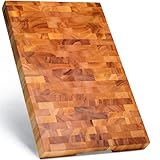
2. SHUMARU Mahogany End-Grain Wood Cutting Board – 20×13×1.6″ Butcher Block | Handmade in Bali – Silky-Smooth, Knife‑Friendly, Ergonomic Grips & Non‑Slip Feet
Overview:
This large (20"x13"), 1.6"-thick mahogany end-grain board is artisanally handmade in Bali. It combines luxury aesthetics with practical features like ergonomic handles and non-slip feet, targeting chefs who value both performance and elegance in food prep and presentation.
What Makes It Stand Out:
The sustainably sourced mahogany’s rich grain and silky-smooth, hand-sanded finish are uniquely knife-friendly. Non-slip rubber feet elevate the board for airflow (preventing warping), while ergonomic grips make handling effortless—features rarely bundled in premium boards.
Value for Money:
Though pricier than standard boards, its handmade craftsmanship, durability, and safety features justify the cost. The 1-year warranty and heirloom potential offer better value than mass-produced alternatives, especially as a gift where presentation matters.
Strengths and Weaknesses:
Strengths: Superior non-slip stability; lightweight yet durable; gentle on blades; stunning one-of-a-kind grain; easy to maneuver. Weaknesses: Mahogany requires diligent oiling to prevent drying; large size may overwhelm small kitchens; higher price point than acacia/bamboo; not dishwasher-safe.
Bottom Line:
Highly recommended for those seeking a luxurious, functional centerpiece board. The thoughtful design elevates everyday tasks, and its longevity ensures it’s a worthwhile splurge for discerning cooks prioritizing safety and aesthetics.
3. Greener Chef Organic Bamboo Cutting Board Set of 3 with Lifetime Replacements – Premium Extra Large Wood Cutting Boards for Kitchen with Juice Grooves for Carving & Serving, Non Toxic & Durable

Overview:
This eco-conscious set includes three FSC-certified bamboo boards (18"x12.5", 14.5"x11.5", 12"x9") featuring juice grooves and a lifetime replacement promise. It targets families wanting non-toxic, spacious prep surfaces for everything from poultry to charcuterie.
What Makes It Stand Out:
The vertical grain construction—uncommon in bamboo sets—boosts resistance to warping and cracking. Generous sizing (50% larger than average) and juice grooves enhance utility, while the organic, BPA-free certification appeals to health- and eco-focused buyers.
Value for Money:
Excellent value given the trio’s XL dimensions and lifetime replacements. Cheaper sets use flimsier flat-grain bamboo prone to splitting; this offers restaurant-grade durability at home-kitchen pricing, especially with included mineral oil for maintenance.
Strengths and Weaknesses:
Strengths: Spacious for large meals; lightweight yet sturdy; non-toxic; juice grooves contain messes; eco-friendly material. Weaknesses: Bamboo can absorb odors without thorough cleaning; thinner (0.6") than wood boards, potentially less stable for heavy chopping; requires frequent oiling.
Bottom Line:
A top pick for eco-minded households needing versatile, family-sized boards. The lifetime warranty and thoughtful sizing make it a practical, budget-friendly upgrade from basic sets, despite minor odor retention risks.
4. Greener Chef Organic Bamboo Cutting Board Set of 3 with Lifetime Replacements - Non Toxic Wood Chopping Board for Charcuterie, Meat, Vegetables and Fruits - Ideal Kitchen Gifts for Home Chefs

Overview:
This carbonized bamboo set (18"x12.5", 14.5"x11.5", 12"x9") features dual-sided utility: juice grooves on one side, smooth serving surfaces on the other. It’s engineered for knife preservation and eco-conscious gifting, with a focus on stability and aesthetics.
What Makes It Stand Out:
Carbonized bamboo offers darker, more stable wood with lower moisture absorption. The vertical grain structure uniquely balances knife-friendliness (yielding enough to protect edges) versus harder woods like acacia, while dual-sided design transitions seamlessly from prep to entertaining.
Value for Money:
Superb value with its generous sizing and dual functionality. Carbonization reduces warping risks versus standard bamboo, and the lifetime replacements eliminate long-term cost anxiety—outperforming similarly priced single-board alternatives.
Strengths and Weaknesses:
Strengths: Gentle on knives; elegant carbonized finish; no-mess juice grooves; transforms into serving trays; ideal gift packaging. Weaknesses: Carbonization slightly softens bamboo (may show deeper cuts over time); still requires hand-washing; smooth side lacks grip for wet tasks.
Bottom Line:
Highly recommended for home entertainers and gift-givers. Its smart design and knife-safety edge deliver exceptional utility, making it a standout choice where presentation and practicality intersect.
5. 3 Pack Heavy Duty Bamboo Cutting Board Set Non Toxic Wooden Cutting Board for Kitchen Non Slip Solid End Grain Thick Wood Juice Groove Chopping Board Extra Large Butcher Block Best House Warming Gift

Overview:
This set features three thick, non-slip bamboo boards (sizes unspecified but described as “extra large”) with 5-layer construction, juice grooves, and rubber feet. It prioritizes stability and heirloom durability for gifting or daily heavy-duty kitchen use.
What Makes It Stand Out:
The 5-layer splicing technique doubles thickness for unmatched warp resistance, while integrated non-slip feet ensure safety during vigorous chopping. Hand-sanded edges and food-grade oil finish enhance both ergonomics and knife protection.
Value for Money:
Justifies its cost through industrial-grade durability and safety features. The non-slip feet and thick build outclass thinner, wobbly competitors, and the elegant packaging elevates it as a premium yet practical gift compared to single-board sets.
Strengths and Weaknesses:
Strengths: Exceptional stability; ultra-smooth knife-safe surface; resists warping/cracking; non-slip feet; beautiful natural grain. Weaknesses: Heavier than standard bamboo due to thickness; rubber feet may degrade over years; requires regular oiling; no explicit sizing details.
Bottom Line:
An outstanding choice for safety-conscious chefs needing rock-solid performance. Its robust construction and thoughtful details make it a reliable, giftable workhorse worth the investment for serious kitchens.
6. FYCTIO Walnut Wood Cutting Board End Grain Wooden Cutting Boards for Kitchen Chopping Block with Deep Juice Groove, Inners Handles, Gift Box, 16.5"x11.6"x0.8"

Overview:
This premium end-grain walnut cutting board combines functionality with elegance, designed for daily food prep and stylish serving. Crafted from solid natural walnut, it features a deep juice groove, non-slip feet, and built-in handles, all presented in a gift-ready box.
What Makes It Stand Out:
Its vertically arranged end-grain structure uniquely protects knife edges by allowing blades to slip between wood fibers, reducing dulling and self-healing minor cuts. The deep juice groove effectively contains liquids, while rounded edges and non-slip feet enhance safety. The board doubles as a charcuterie platter, leveraging walnut’s rich grain for aesthetic appeal.
Value for Money:
Priced mid-to-high range, it justifies cost through exceptional durability, crack resistance, and multi-use versatility (chopping and serving). Compared to cheaper bamboo or edge-grain alternatives, the end-grain construction and premium walnut offer superior longevity and knife preservation, making it a worthwhile investment for serious home cooks.
Strengths and Weaknesses:
Strengths: Knife-friendly end-grain design; deep juice groove prevents messes; non-slip stability; elegant natural finish; doubles as a serving board; thoughtful handles. Weaknesses: Requires meticulous hand-washing and regular oiling; heavier than bamboo; walnut’s cost may deter budget shoppers; gift box adds minimal functional value.
Bottom Line:
An outstanding, durable board for those prioritizing knife care and aesthetics; ideal for gifting or upgrading your kitchen—just commit to proper maintenance for long-term use.
7. Thirteen Chefs Mineral Oil - 8 oz Food Grade Conditioner for Wood Cutting Board, Countertop & Butcher Block, Lubricant for Knife or Meat Grinder - Safe USP Finish on Marble, Soapstone

Overview:
This 8 oz food-grade mineral oil conditioner preserves and protects wooden kitchen surfaces like cutting boards, butcher blocks, and countertops. Lab-tested for safety, it’s colorless, odorless, and made in the USA for reliable maintenance.
What Makes It Stand Out:
Its USP-grade purity ensures zero food contamination risk, while the push-applicator cap enables precise, mess-free application. Beyond wood care, it safely lubricates knives and meat grinders—unlike many alternatives. The concentrated formula requires only 1 oz every three months per board, offering exceptional longevity.
Value for Money:
At a modest price, a single bottle lasts years due to minimal usage needs, outperforming pricier “natural” oils that degrade faster. It’s far more cost-effective than frequent board replacements caused by neglect, making it indispensable for maintaining high-end wood products.
Strengths and Weaknesses:
Strengths: Food-safe USP standard; easy squeeze application; versatile (wood, knives, appliances); long-lasting; made in FDA-compliant US facilities. Weaknesses: Pure mineral oil lacks the nourishing properties of plant-based oils for very dry wood; not suitable for bamboo (which needs less oil).
Bottom Line:
A must-have, economical essential for extending the life of wood kitchenware—prioritize it over trendy alternatives for foolproof, safe maintenance.
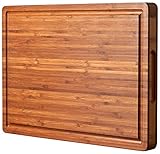
8. Bamboo Wood Cutting Board for Kitchen, 1" Thick Butcher Block, Cheese Charcuterie Board, with Side Handles and Juice Grooves, 16x11"
Overview:
This 1-inch-thick bamboo board offers a sustainable, durable surface for chopping, carving, and serving. Featuring deep juice grooves, hidden side handles, and a compact 16x11" footprint, it targets eco-conscious cooks seeking versatility.
What Makes It Stand Out:
Bamboo’s natural hardness resists knife marks better than many hardwoods, while the 1" thickness ensures stability for heavy-duty tasks. The recessed handles provide secure grip without protruding edges, and juice grooves effectively contain spills—key for mess-free prep on countertops.
Value for Money:
Budget-friendly compared to walnut or olive wood boards, it delivers excellent durability for its price. Though less refined than end-grain options, its resistance to warping and eco-friendly bamboo sourcing make it a practical daily workhorse, especially for casual users.
Strengths and Weaknesses:
Strengths: Highly sustainable material; lightweight yet sturdy; deep juice groove; discreet handles for easy transport; affordable; naturally antimicrobial. Weaknesses: Bamboo can dull knives faster than end-grain wood; requires thorough drying to prevent mold; lacks the self-healing properties of end-grain; less elegant for serving.
Bottom Line:
A reliable, eco-smart choice for everyday chopping—best for value seekers who prioritize function over luxury, though not ideal for preserving premium knives.
9. THETCHRY Walnut Wood Cutting Boards for Kitchen, Large Chopping Board Double Sided, End Grain Cutting Board with Handle, Charcuterie Butcher Block for Meal Prep & Serving with Gift Box, 17"×13"×1"

Overview:
This large (17"x13"x1"), double-sided end-grain walnut board merges professional durability with smart design. It includes a juice groove, non-slip feet, and a unique sorting compartment, all factory-treated with beeswax oil for immediate use.
What Makes It Stand Out:
The standout feature is its integrated sorting compartment, streamlining meal prep by corraling chopped ingredients. Combined with end-grain construction for knife protection and a 3-ounce juice groove, it optimizes workflow. The beeswax finish enhances water resistance without chemicals, and its size suits both prep and generous serving.
Value for Money:
Priced competitively for its size and end-grain quality, it outperforms single-sided boards by adding functional versatility. The included gift box and compartment design justify the cost for frequent entertainers, though maintenance (regular oiling) is essential to retain value.
Strengths and Weaknesses:
Strengths: Innovative sorting compartment saves time; robust end-grain durability; large surface area; beeswax coating for stain resistance; non-slip feet; doubles as charcuterie board. Weaknesses: Heavy weight may hinder portability; compartment could trap debris if not cleaned thoroughly; requires hand-washing only.
Bottom Line:
A top-tier board for serious cooks who value efficiency—its compartment design revolutionizes prep, making it a worthy splurge for organized kitchens.
10. Thirteen Chefs Olive Wood Cutting Board – Large 16 x 8 Inch for Charcuterie, Cheese -Wooden Serving Tray with Rustic Edge

Overview:
This narrow (16"x8"), artisanal olive wood board is crafted for stylish serving of charcuterie, cheese, and bread. Sustainably sourced from Mediterranean farms, it showcases unique grain patterns and rustic charm without bark edges.
What Makes It Stand Out:
Olive wood’s dense, water-resistant grain creates stunning, one-of-a-kind patterns unmatched by common woods. Handcrafted over 12 months, it’s optimized for aesthetics—ideal for displaying foods—and sustainably made from pruned or fruitless trees, appealing to eco-aware buyers.
Value for Money:
Higher-priced due to rare wood and labor-intensive production, it’s justified as a decorative heirloom piece rather than a daily workhorse. Cheaper boards can’t replicate its visual appeal, but its narrow size limits chopping utility, positioning it best as a specialty serving tray.
Strengths and Weaknesses:
Strengths: Exceptional, unique beauty; superb for charcuterie presentation; sustainable sourcing; durable density; artisan quality; compact for small spaces. Weaknesses: Too narrow for substantial food prep; not end-grain (less knife-friendly); requires careful oiling; premium cost for limited functionality.
Bottom Line:
A beautiful, sustainable serving essential for entertainers—skip if you need heavy-duty chopping, but perfect for elevating cheese boards with artisanal flair.
Why Wood Reigns Supreme in Professional Kitchens
Natural Antimicrobial Properties Explained
Wood’s cellular structure contains compounds that actively draw moisture away from bacteria, creating an inhospitable environment for pathogens. Unlike non-porous surfaces where microbes can linger in scratches, wood’s capillary action pulls contaminants below the surface where they eventually die off. This self-sanitizing trait, validated by independent food safety studies, makes properly cared-for wood a hygienic choice even in fast-paced service environments.
Knife Preservation Mechanics
Hardwoods with fine, closed grains provide the ideal balance of firmness and slight give. When a blade strikes the board, the wood fibers temporarily part rather than resisting rigidly, reducing microscopic damage to the edge. Over time, this translates to fewer sharpening sessions, less metal loss from blades, and consistent cutting performance—a critical factor when prepping hundreds of portions daily.
Sustainability and Longevity Factors
Responsible sourcing practices mean many professional-grade boards come from FSC-certified forests where trees are harvested at peak maturity for optimal density. When maintained correctly, a single board can last decades in a commercial setting, making it a cost-effective investment compared to frequently replaced plastic alternatives. The carbon-neutral lifecycle of sustainably managed wood further aligns with modern kitchen sustainability goals.
Key Wood Types and Their Professional Applications
Hard Maple: The Industry Standard
Renowned for its exceptionally tight, uniform grain and light color, hard maple resists staining from pigments like beets or turmeric. Its Janka hardness rating ensures durability against deep cuts while still being gentle on knives. The pale surface also makes spotting debris or residue effortless during rapid clean-downs, a non-negotiable for health compliance.
Walnut: Density Meets Aesthetic Appeal
With a richer hue and slightly higher oil content, walnut offers natural resistance to moisture absorption. Its moderate hardness provides excellent knife preservation, though its darker color can mask minor stains. Often chosen for presentation-focused stations like charcuterie or pastry, where visual appeal matters alongside function.
Cherry: Balanced Performance for Specialty Tasks
Cherry wood strikes a middle ground between maple’s hardness and walnut’s oiliness. Its warm color deepens attractively with age but requires diligent cleaning to prevent pigment transfer to light foods. Ideal for dedicated prep stations handling fruits or delicate proteins where aggressive scrubbing needs minimizing.
Debunking the Bamboo Myth
Despite marketing claims, bamboo’s grass-family origin creates a fibrous structure that dulls knives faster than true hardwoods. Its tendency to develop micro-splinters under heavy use also poses sanitation risks. Professionals seeking bamboo’s eco-image would benefit more from certified sustainable maple or walnut with comparable environmental credentials.
Dimensions and Structural Design Essentials
Optimal Thickness for Stability
Boards under 1.5 inches risk warping under repeated washing and heavy use. Professional standards lean toward 2-inch thickness, which anchors the board securely during vigorous chopping and resists cupping. This heft also minimizes vibration transfer to countertops, reducing fatigue during extended prep sessions.
Size Considerations for Workflow Efficiency
Standard rectangular boards (18x12 inches) suit general prep, but specialized stations demand tailored dimensions. Larger butcher-block styles (24x18 inches) accommodate whole proteins, while compact squares (10x10 inches) excel for mise en place. Always prioritize having multiple board sizes to prevent cross-contamination between tasks without slowing service.
Weight Distribution and Non-Slip Features
A board that slides during use compromises safety and precision. Integrated juice grooves should be shallow enough not to trap debris but deep enough to contain liquids. Look for subtle beveled edges or rubberized feet that anchor the board without creating hard-to-clean crevices—critical for passing health inspections.
Maintenance Protocols for Commercial Longevity
Daily Cleaning: Beyond the Basics
Immediately rinse with hot water after use—never soak. Use a stiff brush (not a sponge) to dislodge particles from grain pores. Mild dish soap is acceptable, but prolonged exposure to harsh detergents degrades wood fibers. Always air-dry vertically to ensure even moisture evaporation from all surfaces.
Oil Selection and Application Frequency
Food-grade mineral oil penetrates deeper than vegetable oils, which can turn rancid. Apply generously when the wood looks dry or feels rough, typically every 1-2 weeks in high-use kitchens. Avoid walnut or olive oil—despite their kitchen presence, they spoil quickly. For stubborn odors, rub with coarse salt and lemon before oiling.
Deep Conditioning for Revitalization
When boards appear gray or feel excessively dry, use a beeswax-mineral oil blend (50/50 ratio). Melt gently, apply warm with a cloth, and let absorb overnight. This restores hydrophobic properties better than oil alone. Never use automotive or furniture polishes—they contain toxic compounds unsafe for food contact.
Recognizing Irreversible Damage
Deep cracks, persistent warping, or pervasive odors signal it’s time for replacement. Shallow knife scars are normal, but gouges that trap moisture create bacterial havens. A board that no longer lies flat—even after conditioning—compromises cutting accuracy and safety. Pro kitchens should rotate multiple boards to extend individual lifespans.
Advanced Features for Specialized Kitchen Roles
Juice Groove Engineering
Effective grooves are U-shaped (not V-shaped) to prevent liquid channeling toward the edge. Depth should be 3-5mm—enough to contain runoff from roasts or melons but shallow enough for easy wiping. Avoid grooves that wrap completely around the board, as corners become sanitation traps.
Reversible Design Logic
Having distinct surfaces for proteins vs. produce minimizes cross-contamination without doubling board inventory. One side might feature a juice groove for meats, while the reverse offers a smooth surface for bread or pastry. Ensure both sides are equally thick to prevent wobbling when flipped.
Edge Treatments for Durability
Rounded or eased edges resist chipping better than sharp 90-degree corners, which splinter under impact. Some boards incorporate end-grain borders along the perimeter for added resilience where knives frequently strike during trimming tasks.
Station-Specific Customization
Sushi chefs often prefer hinoki (Japanese cypress) for its aromatic properties that repel fish odors, while bakeries favor large, ungrooved maple slabs for dough kneading. Understanding your station’s unique demands guides optimal wood selection beyond generic “best” lists.
The End-Grain Debate: Practicality vs. Performance
End-grain boards (where wood fibers stand upright) offer superior knife preservation as blades slide between fibers. However, they’re significantly more expensive and require meticulous drying to prevent moisture-induced separation at glue seams. Most line cooks find edge-grain boards deliver 90% of the benefits at half the cost and maintenance.
Frequently Asked Questions
Can wood cutting boards be sanitized in a commercial dishwasher?
No—prolonged exposure to high heat and moisture warps wood and accelerates cracking. Hand-wash and air-dry only, using food-safe sanitizer sprays for targeted disinfection if required by health codes.
How often should I oil my professional cutting board?
Apply mineral oil whenever the surface looks dry or feels rough—typically every 1-2 weeks in heavy-use kitchens. New boards may need weekly conditioning for the first month.
Are darker woods like walnut more prone to staining?
Paradoxically, lighter woods like maple show stains more visibly, but dark woods like walnut resist pigment absorption better due to natural tannins. Staining doesn’t compromise safety if cleaned promptly.
Why do my boards develop cracks near the edges?
This usually stems from uneven drying—moisture evaporates faster from edges than the center. Always dry boards vertically and apply oil to all surfaces, including edges, to maintain moisture balance.
Is it safe to cut raw meat on wood boards?
Yes, when properly maintained. Wood’s antimicrobial properties and ability to contain bacteria below the surface make it safer than plastic if cleaned correctly. Always use separate boards for meats and produce.
What’s the best way to remove stubborn odors?
Rub the surface with coarse salt and lemon halves, then rinse. For persistent smells, leave a paste of baking soda and water overnight before scrubbing and re-oiling.
Do juice grooves make boards harder to clean?
Only if poorly designed. Shallow, wide grooves (3-5mm) wipe clean easily. Avoid boards with deep, narrow channels that trap debris—opt for seamless U-shaped designs.
How can I prevent my board from sliding during use?
Place a damp towel or non-slip mat underneath. Some professional boards include embedded rubber feet, but these must be checked regularly for debris buildup to maintain sanitation.
When should I replace a wood cutting board?
Replace immediately if deep cracks harbor moisture, the board warps significantly, or odors persist after deep cleaning. Minor knife scars are normal and don’t affect safety.
Does the wood’s origin affect performance?
Yes—hardwoods grown in colder climates (like North American maple) develop denser growth rings, enhancing durability. Always verify FSC certification to ensure sustainable, high-quality wood.