The pursuit of barista-quality coffee at home has evolved from a casual interest into a refined art form, with pour-over brewing standing as the undisputed champion for those who crave absolute control over every nuanced variable. Unlike push-button machines that mask the craft behind convenience, pour-over coffee makers invite you into an intimate dialogue with your beans—where water temperature, grind distribution, and pour technique converge to create something transcendent. For the true connoisseur, this isn’t just about caffeine; it’s about unlocking the hidden symphony of flavors that artisan roasters painstakingly develop.
But here’s the challenge: the market overflows with drippers, cones, and carafes, each promising café-worthy results. The difference between a mediocre brewer and an exceptional one isn’t always visible at first glance. It lives in the millimeter-perfect geometry of the cone, the subtle rib patterns that guide airflow, and the thermal properties of the material cradling your grounds. This guide dismantles the complexity, empowering you to make an informed decision based on science, craftsmanship, and your personal brewing philosophy—no brand loyalty required.
Top 10 Pour-Over Coffee Makers for Connoisseurs
Detailed Product Reviews
1. Bodum 34oz Pour Over Coffee Maker, High-Heat Borosilicate Glass with Reusable Stainless Steel Filter and Cork Grip - Made in Portugal

Overview: The Bodum 34oz Pour Over Coffee Maker delivers manual brewing elegance in a functional package. This Portuguese-crafted carafe brews eight 4-ounce cups of coffee using a permanent stainless steel filter, eliminating paper waste while preserving aromatic oils. The heat-resistant borosilicate glass construction ensures durability, while the distinctive cork band provides insulation and a secure grip during pouring.
What Makes It Stand Out: The reusable mesh filter is the star feature, allowing coffee’s natural oils to pass through for a fuller flavor profile that paper filters absorb. The sustainable cork band adds rustic charm while protecting hands from heat, creating a design that’s both beautiful and practical. Its single-wall construction keeps the brewing process visible and the overall aesthetic minimalist.
Value for Money: At $19.99, this represents excellent value for a European-made pour-over system. Comparable glass brewers with permanent filters typically start at $25, and you’ll save significantly on paper filters over time. The durability of borosilicate glass means this should last years with proper care, making it a smart long-term investment for daily coffee drinkers.
Strengths and Weaknesses: Strengths include the eco-friendly permanent filter, elegant design that doubles as a serving carafe, and dishwasher-safe components (except cork). The Portuguese craftsmanship ensures quality construction. Weaknesses involve the single-wall glass, which loses heat faster than double-walled alternatives, and the cork band requires hand-washing and occasional oiling to prevent cracking. The 4-ounce cup measurement may be smaller than typical American servings.
Bottom Line: This Bodum model is ideal for environmentally conscious coffee lovers who appreciate European design and don’t mind a hands-on brewing approach. It’s a reliable, stylish workhorse that delivers clean, flavorful coffee while reducing waste.
2. COSORI Pour Over Coffee Maker with Double Layer Stainless Steel Filter, 8-Cup, 34oz, Drip Coffee Maker, Coffee Dripper Brewer, High Heat Resistant Carafe, also for Camping, Hiking

Overview: The COSORI Pour Over Coffee Maker combines modern engineering with traditional brewing methods in a versatile 34-ounce package. Designed for both home and outdoor use, this system features a double-layer stainless steel filter and borosilicate glass carafe that can withstand direct stovetop heating. The wooden sleeve adds a touch of natural elegance while providing heat protection.
What Makes It Stand Out: The dual-layer 304 stainless steel filter is a significant upgrade from single-mesh designs, preventing fine grounds from escaping while maximizing oil extraction for a richer brew. The carafe’s stovetop compatibility offers unmatched versatility—you can brew directly on a low flame or reheat coffee without transferring vessels. This makes it particularly valuable for camping and hiking adventures where equipment minimalism matters.
Value for Money: Priced at $29.99, this sits in the mid-range but justifies the cost through superior filtration and multi-functionality. You’re essentially getting a pour-over brewer and stovetop carafe in one. Compared to buying separate devices, the savings are substantial. The BPA-free construction and included accessories add further value for safety-conscious consumers.
Strengths and Weaknesses: Strengths include exceptional filtration, stovetop-safe glass, versatile outdoor usability, and the protective wooden sleeve. The BPA-free certification ensures safety across all components. Weaknesses involve the wooden sleeve requiring hand cleaning and the higher price point compared to basic models. The double filter may slow drip time slightly, requiring patience. Some users might find the aesthetic less refined than European alternatives.
Bottom Line: The COSORI is perfect for adventurous coffee enthusiasts who want a brewer that transitions seamlessly from kitchen to campsite. Its robust filtration and heating flexibility make it worth the premium for active lifestyles.
3. Bodum 17oz Pour Over Coffee Maker, High-Heat Borosilicate Glass with Reusable Stainless Steel Filter and Cork Grip - Made in Portugal

Overview: This compact 17-ounce Bodum Pour Over Coffee Maker offers the same Portuguese craftsmanship and eco-friendly design as its larger sibling in a personal-sized format. Perfect for solo coffee drinkers or couples, it brews approximately four 4-ounce cups using a permanent stainless steel filter and heat-resistant borosilicate glass. The cork sleeve provides insulation and grip in Bodum’s signature minimalist style.
What Makes It Stand Out: The smaller footprint makes this ideal for cramped kitchens, office desks, or travel while maintaining the brand’s commitment to sustainability. The permanent filter reduces environmental impact and preserves coffee oils for a more nuanced flavor profile. Its single-serve capacity ensures every cup is fresh, eliminating the waste of leftover coffee that plagues larger brewers.
Value for Money: At $19.99, the pricing raises eyebrows—identical to the 34-ounce model despite half the capacity. While still reasonably priced for European-made quality, the value proposition suffers compared to its larger counterpart. You’re paying a premium for compactness rather than materials. However, if you consistently brew small batches, it prevents the over-extraction common when under-filling larger filters.
Strengths and Weaknesses: Strengths include space-saving design, consistent build quality, dishwasher-safe glass and filter, and waste reduction. The cork grip remains comfortable and functional. Weaknesses center on poor price-per-ounce value, single-wall heat retention issues, and the cork sleeve’s hand-wash requirement. The 4-ounce serving size may disappoint those preferring standard mugs.
Bottom Line: Choose this Bodum 17-ounce model only if you exclusively brew one or two cups at a time and space is at a premium. Otherwise, the 34-ounce version offers substantially better value.
4. Pour Over Coffee Maker Set with Double-Layer Stainless Steel Filter, Coffee Dripper, Cork Lid and Leather Collar Holder - High Heat Resistance Borosilicate Glass Carafe, Great Gift Idea (37 oz)

Overview: The Kavako-branded Pour Over Coffee Maker Set positions itself as a premium brewing solution with thoughtful design touches. This 37-ounce carafe features a laser-cut double-layer stainless steel filter, heat-resistant leather collar, and cork lid for enhanced heat retention. The borosilicate glass withstands temperatures up to 302°F, allowing stovetop and microwave reheating.
What Makes It Stand Out: The laser-cut filter with internal mesh represents filtration excellence, virtually eliminating sediment while maximizing flavor extraction. The leather collar offers superior grip and heat protection compared to wood or cork alternatives, aging beautifully over time. Measurement markings on the glass eliminate guesswork, and the cork lid actively retains heat during and after brewing—a feature most competitors lack.
Value for Money: At $32.99, this is the most expensive option but delivers premium features. The stovetop and microwave safety, combined with exceptional filtration and stylish accessories, justify the cost for serious coffee enthusiasts. It essentially replaces multiple devices: pour-over, carafe, and reheating vessel. The gift-ready presentation adds value for special occasions.
Strengths and Weaknesses: Strengths include superior double-layer filtration, multi-heat source compatibility, measurement markings, heat-retaining cork lid, and stylish leather collar. The 37-ounce capacity serves seven generous cups. Weaknesses involve the highest price point and leather collar requiring careful hand maintenance. The brand recognition is lower than established names like Bodum or COSORI.
Bottom Line: This is the premium choice for coffee connoisseurs who refuse to compromise on filtration quality, versatility, and aesthetics. The extra investment pays dividends in daily brewing satisfaction.
5. OXO Brew Single Serve Pour-Over Coffee Maker
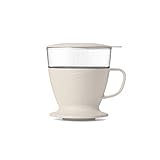
Overview: The OXO Brew Single Serve Pour-Over Coffee Maker democratizes manual brewing by automating the most challenging aspect: water flow control. This compact brewer produces up to 12 ounces of consistently extracted coffee with minimal technique required. The auto-drip tank automatically regulates water distribution, while measurement markings eliminate guesswork for coffee-to-water ratios.
What Makes It Stand Out: The auto-drip tank is a game-changer for beginners, removing the need for precise pouring technique while ensuring even saturation. The lid cleverly doubles as a drip tray, keeping counters clean. Including 10 unbleached paper filters provides immediate out-of-box functionality. This device makes pour-over accessible to anyone intimidated by gooseneck kettles and precise timing.
Value for Money: At $19.97, this offers strong value for single-cup convenience. The consistency it delivers rivals more expensive electric brewers, while the included filters provide immediate gratification. However, ongoing paper filter costs add up, and the plastic construction may not satisfy those seeking heirloom-quality gear. It’s priced competitively against other single-serve methods like AeroPress.
Strengths and Weaknesses: Strengths include foolproof operation, compact storage, consistent extraction, and the innovative lid design. The measurement system prevents common beginner mistakes. Weaknesses involve reliance on disposable filters, limited capacity for guests, and less control for experienced brewers seeking customization. The plastic body lacks the thermal stability of glass.
Bottom Line: Perfect for busy professionals, beginners, or anyone prioritizing consistency and convenience over ritual. The OXO Brew removes barriers to great pour-over coffee without requiring technique mastery.
6. Bodum 34oz Pour Over Coffee Maker, High-Heat Borosilicate Glass with Reusable Stainless Steel Filter and Black Band Grip - Made in Portugal

Overview: The Bodum 34oz Pour Over Coffee Maker brings Portuguese craftsmanship to your kitchen with a generous capacity that serves 4-5 cups. This manual brewing system pairs high-heat borosilicate glass with a permanent stainless steel filter for a sustainable, flavorful coffee experience without paper waste.
What Makes It Stand Out: The substantial 34-ounce capacity distinguishes it from single-serve drippers, making it ideal for households or entertaining. The reusable stainless steel mesh filter is designed to allow essential oils to pass through, creating a richer, more robust flavor profile than paper-filtered methods. The protective black band grip provides secure handling during brewing and pouring.
Value for Money: At $19.99, this represents excellent value for a large-capacity pour-over system. Competing glass carafes with steel filters typically range from $25-40, making this an accessible entry point into manual brewing. The permanent filter eliminates ongoing paper filter costs, and the durable borosilicate glass construction ensures longevity.
Strengths and Weaknesses: Strengths include large serving capacity, eco-friendly reusable filter, dishwasher-safe components, and the heat-resistant glass that won’t absorb flavors. The Portuguese manufacturing suggests quality craftsmanship. Weaknesses include the lack of measurement markings, potential for sediment in cups due to mesh filter, and the glass construction requiring careful handling.
Bottom Line: This Bodum pour-over is perfect for coffee lovers wanting batch manual brewing without complexity. Its combination of capacity, quality materials, and sustainable design at a competitive price makes it a smart purchase for daily use or weekend brunch gatherings.
7. DOWAN Pour Over Coffee Maker, Non-Electric Pour Over Coffee Dripper, Manual Brew Maker, Single Cups Porcelain Slow Brewing Accessories for Gifts,White
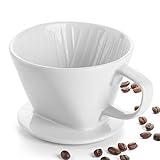
Overview: The DOWAN Pour Over Coffee Maker offers a traditional ceramic brewing experience for single or double cup servings. This non-electric dripper emphasizes heat retention and controlled extraction through thoughtful engineering, appealing to purists who value hands-on coffee craftsmanship.
What Makes It Stand Out: The unique three-hole drip design creates a more concentrated flow than single-hole drippers, ensuring optimal brew time. The V-shaped conical structure forces coffee grounds higher, extending water contact for fuller extraction. Vertical inner ribs maintain proper filter distance, preventing choking and promoting even saturation.
Value for Money: Priced at $16.99, this ceramic dripper sits in the competitive mid-range. It offers better heat retention than glass or metal alternatives, which justifies its cost. However, requiring separate paper filters adds ongoing expense that reusable options avoid.
Strengths and Weaknesses: Strengths include superior heat preservation, durable high-fired ceramic construction, thoughtful extraction-focused design, and portability. The three-hole system provides consistent results. Weaknesses include filter paper not included, single-serve limitation, and ceramic’s fragility compared to steel. The learning curve may frustrate beginners.
Bottom Line: DOWAN’s ceramic dripper suits aficionados seeking temperature stability and nuanced extraction control. While not the cheapest option, its engineering delivers noticeable flavor improvements. Consider this if you prioritize thermal consistency and don’t mind buying paper filters.
8. Bean Envy Pour Over Coffee Maker, High-Heat Borosilicate Glass with Reusable Stainless Steel Filter, Glass Coffee Maker (20 Oz)
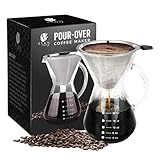
Overview: The Bean Envy Pour Over Coffee Maker delivers a complete brewing package in a compact 20-ounce design. Crafted from premium borosilicate glass with a reusable stainless steel filter, this set includes a protective silicone base for stability and counter protection.
What Makes It Stand Out: This all-in-one set eliminates guesswork by including the carafe, filter, and protective base. The silicone base adds practical value rarely found in competing sets, preventing thermal shock and providing non-slip security. The 20-ounce capacity perfectly balances single-serve flexibility with occasional two-cup brewing.
Value for Money: At $35.99, Bean Envy positions itself as a premium small-batch option. While pricier than basic drippers, the included accessories and thoughtful design justify the cost. Similar complete sets retail for $40-50, making this competitively priced for its category.
Strengths and Weaknesses: Strengths include the comprehensive set, heat-resistant glass, eco-friendly steel filter, and protective silicone base. The non-porous glass preserves pure taste. Weaknesses include smaller capacity limiting batch brewing, glass fragility, and the steel filter potentially allowing fine sediment. The price may deter budget-conscious buyers.
Bottom Line: Bean Envy excels as a ready-to-use premium pour-over system for individuals or couples. Its protective silicone base and complete packaging make it ideal for newcomers seeking quality without piecing together components separately. Worth the investment for daily ritual use.
9. Chemex Pour-Over Glass Coffeemaker - Classic Series - 8-Cup - Exclusive Packaging

Overview: The iconic Chemex Classic Series represents the gold standard in pour-over coffee making. This 8-cup (40-ounce) coffeemaker combines timeless design with functional excellence, using non-porous borosilicate glass that won’t absorb odors or chemical residues.
What Makes It Stand Out: Chemex’s patented design allows brewed coffee to be covered and refrigerated for reheating without flavor degradation—a unique feature among pour-over devices. The proprietary shape and pour spout enable precise pouring control, while the brand’s proprietary bonded filters create an exceptionally clean cup by removing oils and sediment.
Value for Money: At $48.93, the Chemex commands a premium price. However, its iconic status, build quality, and unique refrigeration capability justify the investment for serious enthusiasts. The ongoing cost of proprietary filters adds expense, but the 8-cup capacity serves groups efficiently.
Strengths and Weaknesses: Strengths include legendary design, large capacity, pure glass construction, patented refrigeration feature, and exceptionally clean coffee. The non-porous material ensures flavor integrity. Weaknesses include requiring specific Chemex filters (not included), glass fragility, larger storage footprint, and higher price point.
Bottom Line: The Chemex is for dedicated coffee lovers who value design heritage and pristine, sediment-free coffee. Its unique features and batch capacity make it worth the premium if you entertain frequently or appreciate the cleanest possible extraction. Accept no substitutes for the original.
10. Hanlomele Pour Over Coffee Dripper, Paperless Reusable Coffee Filter, Pour Over Coffee Maker for Single Cup Brew, Double Mesh Design of Stainless Steel Cone Filter for Perfect Extraction (1-2 Cup)
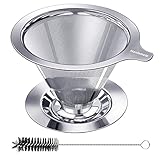
Overview: The Hanlomele Pour Over Coffee Dripper offers minimalist, paperless brewing for single-cup enthusiasts. This stainless steel cone filter features a double mesh design that eliminates paper waste while promising perfect extraction without sediment.
What Makes It Stand Out: The dual-layer mesh system prevents coffee grounds from passing through while allowing essential oils to create richer flavor. Its paperless design means zero ongoing filter costs and environmental impact. The wide base fits most mugs and thermoses, maximizing versatility.
Value for Money: At $13.97, this is the most budget-friendly option reviewed. The reusable stainless steel construction eliminates recurring paper filter expenses, offering exceptional long-term value. While basic, it competes favorably with drippers twice its price.
Strengths and Weaknesses: Strengths include unbeatable price, double mesh filtration, eco-friendly paperless operation, universal cup compatibility, and easy cleaning. The stainless steel durability surpasses glass or ceramic. Weaknesses include single-cup limitation, potential for clogging without proper grind size, and lacking the thermal stability of ceramic. No included accessories.
Bottom Line: Hanlomele delivers remarkable value for solo coffee drinkers prioritizing simplicity and sustainability. Its double mesh design and rock-bottom price make it an ideal entry point into pour-over brewing or a travel-friendly backup. Highly recommended for budget-conscious users seeking quality without complexity.
Why Pour-Over Coffee is the Connoisseur’s Choice
Pour-over brewing represents the purest expression of coffee extraction, stripping away automation to reveal the raw interplay between water and coffee solids. This method doesn’t just make coffee; it tells the story of your beans with a clarity that immersion methods often obscure.
The Unmatched Clarity and Complexity
When hot water passes through a bed of coffee grounds in a controlled, directional flow, it extracts soluble compounds in a precise sequence—first acids and bright notes, then sugars and mid-palate sweetness, finally yielding bitters and tannins. This progressive extraction creates a cup with distinct flavor layers, a luminous clarity that lets you taste the origin character, processing method, and roast development. Immersion methods blend these stages together, while pour-over sequencing them like a well-conducted orchestra.
Control Variables: Your Path to Perfection
The pour-over method hands you command of every critical variable: water temperature stability, agitation level, flow rate, and contact time. A skilled brewer can manipulate these elements to compensate for a coffee’s weaknesses or amplify its strengths. Under-extract a natural Ethiopian to highlight its florals, or extend the drawdown on a dense Colombian to unlock its chocolate depth—this level of control transforms brewing from repetition into creativity.
Decoding Dripper Materials: Pros and Cons
The material of your pour-over coffee maker influences thermal stability, durability, and even subtle flavor implications. Each option presents a distinct set of trade-offs that align with different priorities and brewing environments.
Ceramic: The Heat Retention Champion
Ceramic drippers excel at maintaining consistent temperature throughout the brew cycle, a critical factor for even extraction. Their high thermal mass absorbs initial heat shock when you pre-rinse, then releases it slowly to keep the slurry stable. The downside? Ceramic is fragile and can develop micro-fractures over time that harbor rancid oils. Look for thick-walled, high-fire ceramics with a smooth, non-porous glaze to minimize absorption.
Glass: Purity and Aesthetics Combined
Borosilicate glass offers complete neutrality—it won’t impart any flavor or absorb aromatics from previous brews. Its transparency allows you to observe the extraction process, watching how the bloom develops and how water navigates the coffee bed. However, glass has poor thermal retention and can cool your slurry quickly, especially in drafty kitchens. Pre-heating becomes essential, and the material demands careful handling to avoid thermal shock or shattering.
Stainless Steel: Durability on the Go
For the traveling connoisseur or clumsy brewer, stainless steel provides indestructible reliability. Modern double-walled designs offer respectable thermal stability while remaining lightweight. The metal can impart a subtle metallic taste if poorly finished, so seek out surgical-grade (316) stainless steel with a mirror polish interior. Steel cools faster than ceramic but slower than glass, occupying a practical middle ground for daily use.
Plastic: Practicality and Thermal Resistance
High-quality BPA-free plastic drippers surprise many connoisseurs with their performance. Plastic’s low thermal conductivity means it steals less heat from your brewing water, resulting in more stable slurry temperatures without aggressive pre-heating. The trade-off? Long-term durability concerns and potential flavor taint if you use abrasive cleaners that scratch the surface. Premium plastics like Tritan offer improved chemical resistance and longevity.
Geometry Wars: Cone vs. Flat-Bottom Designs
The shape of your dripper fundamentally alters extraction mechanics, creating distinct flavor profiles and requiring different technique approaches. This is where engineering meets sensory experience.
The V-Shaped Cone: Classic Precision
Steep-walled V-shaped cones create a deep coffee bed that forces water to travel further through the grounds, extending contact time and encouraging higher extraction yields. This geometry rewards precise pouring, as the narrow bottom concentrates flow and amplifies any technique inconsistencies. The result? Potentially brilliant, complex cups when executed perfectly, but unforgiving to beginners who struggle with even saturation.
Flat-Bottom Drippers: Forgiving Consistency
Flat-bottom brewers with multiple small drainage holes promote a more even extraction across the entire coffee bed. The shallower geometry reduces channeling risk and produces a more balanced, sweet cup with softer acidity. These designs are more tolerant of minor pouring inconsistencies, making them excellent for connoisseurs who value repeatability over extremity. The trade-off is slightly less clarity in the final cup compared to a perfectly executed V-cone brew.
Hybrid and Unique Profiles
Some innovative designs split the difference with hybrid geometries—slightly curved walls, truncated cones, or proprietary shapes that manipulate flow dynamics in unique ways. These often aim to combine the clarity of V-cones with the forgiveness of flat-bottom designs, though they may require specific filter types and technique adaptations. For the experimental connoisseur, these offer exciting territory for exploration.
Flow Dynamics: How Design Affects Extraction
Beyond basic geometry, subtle design elements dictate how water interacts with coffee grounds, influencing everything from drawdown time to flavor clarity.
Rib Patterns and Airflow
Those vertical ribs lining your dripper aren’t just decorative—they create air channels that prevent filter suction and promote even drainage. Aggressive, deep ribs facilitate faster flow rates and reduce bypass (water running down the filter walls without extracting coffee). Subtle, shallow ribs slow the drawdown, increasing contact time. The rib pattern also affects how the filter paper adheres to the walls, which influences temperature stability and evenness.
Single Hole vs. Multi-Hole Designs
A single large exit hole places maximum control in the brewer’s hands—you determine flow rate entirely through grind size and pour aggressiveness. This rewards skill but punishes inconsistency. Multi-hole designs introduce passive flow restriction, creating a more predictable drawdown regardless of minor technique variations. Some connoisseurs prefer the pure control of single-hole drippers, while others appreciate the safety net that multiple holes provide.
Filter Fundamentals: The Invisible Influence
Your choice of filter impacts extraction, body, and flavor clarity as much as the dripper itself. This often-overlooked component deserves careful consideration.
Paper Filter Variations
Paper filters trap fine particles and oils, producing a clean cup with bright acidity and defined flavors. Bleached white filters undergo oxygen or chlorine treatment, which some claim imparts subtle chemical notes—though modern oxygen-bleached filters are remarkably neutral. Natural brown filters retain a slight papery taste that requires thorough pre-rinsing. Thickness matters too: thicker filters slow flow and increase clarity but may mute some aromatics.
Permanent Filter Options
Metal mesh filters allow oils and micro-fines to pass through, creating a fuller body and richer mouthfeel reminiscent of French press coffee. This sacrifices some clarity for complexity. Cloth filters occupy a middle ground, trapping fines while allowing oils through, but demand meticulous cleaning to prevent rancidity. For the purist connoisseur, paper remains the gold standard for origin clarity, while metal appeals to those seeking texture and body.
Capacity and Size: Matching Your Lifestyle
Pour-over coffee makers range from single-cup drippers brewing 15-20 grams of coffee to large-format systems handling 60+ grams. Your choice should reflect your typical consumption patterns and social brewing habits.
Single-cup drippers offer maximum control for dialing in specific coffees and waste fewer beans during experimentation. They’re ideal for the connoisseur who treats each cup as a singular experience. Larger capacity systems sacrifice some precision for practicality when brewing for multiple people, though premium designs maintain quality across batch sizes. Consider your counter space too—some drippers are designed to sit directly on a mug, while others require a dedicated carafe and stand.
The Complete System: Dripper, Carafe, and Accessories
A holistic approach to pour-over involves more than just the dripper. The carafe material affects heat retention, with double-walled glass maintaining temperature better than single-wall. The stand or holder should provide stable support and accommodate your preferred mug or server height. Some systems include built-in scales or measurement markers—useful but potentially limiting if you prefer specific precision tools.
Consider filter availability and cost too. Proprietary filter shapes may offer performance advantages but create ongoing expenses and supply dependency. Standard cone filters provide flexibility and economy, important factors for the daily brewing connoisseur.
Technique Trumps Equipment: Mastering Your Method
Even the finest pour-over coffee maker produces mediocre results without proper technique. The equipment merely provides a canvas; your skill paints the masterpiece.
Grind Size: The Foundation of Flavor
Grind distribution determines extraction uniformity more than any other variable. A quality burr grinder producing consistent particle sizes is non-negotiable for barista-quality results. For V-cones, aim for a medium-fine grind resembling table salt; flat-bottom drippers prefer a medium grind closer to coarse sand. Adjust based on drawdown time—if your brew finishes too quickly, go finer; too slowly, coarser. The perfect grind creates a drawdown of 2:30 to 4:00 minutes depending on dose and geometry.
Water Quality and Temperature Precision
Use filtered water with 50-150 ppm total dissolved solids—too pure extracts poorly, too mineral-heavy muddles flavors. Temperature should range from 195°F to 205°F (90°C to 96°C), with lighter roasts benefiting from higher temperatures and darker roasts preferring slightly cooler water. A variable-temperature kettle with gooseneck spout provides the control necessary for precise pouring patterns.
Pouring Patterns: The Art of Agitation
The bloom pour—typically twice the coffee’s weight in water, poured rapidly to saturate all grounds—releases trapped CO2 and prepares the bed for even extraction. Subsequent pours should maintain the slurry height while avoiding direct filter contact. Pulse pouring (multiple small pours) provides more control over contact time and temperature than continuous pouring. The connoisseur learns to “read” the slurry, adjusting pour height and flow rate to create gentle agitation without disturbing the bed structure.
Maintenance: Protecting Your Investment
Proper care extends your pour-over coffee maker’s lifespan and ensures flavor neutrality. Ceramic and glass benefit from weekly deep cleans using Cafiza or a similar coffee equipment cleaner to dissolve oil buildup. Soak for 15 minutes, then scrub with a soft brush—never use abrasive pads that scratch surfaces and create oil traps.
Plastic drippers require gentler treatment—baking soda paste works well without scratching. Stainless steel tolerates more aggressive cleaning but avoid chlorine-based cleaners that can cause pitting. Always disassemble any removable parts and dry thoroughly to prevent mold growth in hidden crevices. Store paper filters in airtight containers away from odors, and replace metal filters when you notice degradation or off-flavors.
Making Your Final Decision: A Buyer’s Framework
Selecting the ideal pour-over coffee maker requires honest assessment of your priorities. Rank these factors in order of importance: thermal stability, forgiveness vs. control, durability, aesthetics, and budget. The connoisseur who values clarity above all else might prioritize ceramic V-cones with thick filters. Those seeking consistency across busy mornings may favor flat-bottom steel designs.
Consider your grinder quality too—if you’re using a blade grinder, a more forgiving dripper compensates for uneven particle sizes. With a premium burr grinder, you can exploit the precision of demanding designs. Your water kettle matters as well—without a gooseneck, choose a dripper that minimizes pour technique impact.
Finally, think about your coffee journey’s trajectory. Are you a tinkerer who’ll enjoy mastering a difficult dripper, or do you want excellent results with less practice? The “best” pour-over coffee maker is the one that aligns with your brewing philosophy, technique level, and sensory preferences—not the one with the most impressive marketing.
Frequently Asked Questions
What makes a pour-over coffee maker “barista-quality”?
Barista-quality pour-over equipment provides consistent thermal stability, precise flow control, and geometry that promotes even extraction. It should respond predictably to technique adjustments and maintain neutrality, neither adding flavors nor restricting the coffee’s expression. The term ultimately describes tools that enable skilled brewers to achieve café-level clarity and complexity at home.
Does dripper material really affect taste?
Yes, significantly. Materials with high thermal conductivity (like thin metal) can cool your slurry, under-extracting delicate acids. Porous materials (unglazed ceramic) absorb oils over time, imparting rancid notes. Glass and high-quality plastics remain most flavor-neutral, while thick ceramic provides temperature stability that enhances sweetness and body.
How much should I spend on a quality pour-over setup?
A connoisseur-level dripper ranges from $20 to $60, with premium designs costing up to $100. Budget another $50-150 for a gooseneck kettle, $100-200 for a capable burr grinder, and $20-40 for a digital scale. The dripper itself is just one component—total investment for barista-quality results typically falls between $200-400.
Can I achieve the same quality with a $20 dripper as a $100 one?
Absolutely. Price often reflects material costs, brand prestige, and design complexity rather than pure performance. Many $20 plastic drippers produce exceptional coffee when paired with proper technique and a good grinder. The expensive models may offer marginal improvements in thermal stability or aesthetics, but the brewer’s skill remains the limiting factor.
What’s the difference between a dripper and a complete pour-over system?
A dripper is the cone or basket that holds coffee grounds and filters. A complete system includes the dripper, a dedicated carafe or server, and often a stand. Systems ensure perfect component compatibility and aesthetic cohesion, while standalone drippers offer flexibility to brew directly into any mug or vessel you choose.
How do I know if my pour-over technique is improving?
Track extraction yield using a refractometer (optional but educational) or more simply, notice flavor consistency across multiple brews of the same coffee. Improved technique shows as reduced bitterness, heightened sweetness, and distinct flavor notes appearing consistently. Your drawdown times should vary less than 15 seconds between brews of identical parameters.
Are flat-bottom drippers really easier for beginners?
Yes. Flat-bottom designs distribute water more evenly across the coffee bed and provide more passive flow restriction, reducing the impact of uneven pouring. They produce good results with less practice, though mastering them still requires understanding grind size and ratio. V-cones demand more precise technique but reward mastery with exceptional clarity.
How often should I replace my paper filters?
Use a fresh filter for every brew. Reusing filters leads to clogging, inconsistent flow, and potential bacterial growth. Buy filters in small quantities to ensure freshness, and always pre-rinse to remove papery taste and preheat your dripper. Store opened filter packages in airtight containers away from kitchen odors.
Can I use regular kettle instead of a gooseneck?
You can, but you sacrifice precision. A standard kettle’s wide spout dumps water aggressively, disturbing the coffee bed and creating channels. Gooseneck kettles allow gentle, directed pouring that maintains bed integrity. If you must use a regular kettle, pour very slowly from a low height and accept less control over extraction uniformity.
What’s the single most important factor in pour-over quality?
Grind quality. A consistent particle size distribution from a quality burr grinder matters more than dripper material, price, or design. Uneven grinds create a mix of over-extracted fines and under-extracted boulders that no dripper can compensate for. Invest in your grinder before upgrading your dripper.